Emotional Health
77 articles
Gays, Lesbians and Bisexuals Are Twice as Likely to Need Mental Health or Addiction Treatment Services
A survey study of Californians indicates that gays, lesbians and bisexuals are far more likely to seek out addiction or mental health treatments; more than half of lesbian women seek out help.
The CDC Says 1 in 4 Suicide Victims Are Legally Drunk
About a quarter of people who commit suicide do so while legally drunk (with a blood alcohol content of 0.08 or higher) and about a third of suicide victims have at least some alcohol in their bodies.
Australian Researchers Say That Internet Therapy for Depression Works as Well as In-Person Counseling
An Australian randomized control study that evaluated internet based therapy for depression reveals that net-based counseling works about as well as in-person therapy.
Researchers Say that More than Half of Adults Will Experience Mental Illness before the Age of 32
Mental health researchers who followed a pool of subjects from infancy to the age of 32, say that prevalence rates for alcoholism, depression and anxiety may be much higher than commonly believed - finding incidences of depression in 41% of subjects, anxiety in about half and alcoholism in a third.
Depression Doubles the Odds of Dropping Out of College
It's not surprising that students diagnosed with clinical depression fare worse at school than students who don’t battle mental illness, but it turns out that people with a certain type of depression can actually perform quite well, while people with another subtype are far more likely to quit school all together.

Thoughts of Suicide Plagued 8 Million Americans Last Year
A just released governmental survey reports that more than 8 million Americans considered ending their own life last year, and more than 2 million actually made a plan for doing so.

Secret Email Memo Urging V.A. Doctors to Under-Diagnose PTSD Angers Veterans
A Federal Judge in San Fransisco has reopened a case against the V.A. after reading an incriminating memo from one of the organization's doctors. A new hearing is scheduled for Tuesday.

People with Depression 3 Times More Likely to Use Opiates
People suffering from clinical depression are 3 times as likely to use opiates for 90 days or longer. Depressed patients are excluded, however, from trials that test the safety of opiates, due to an elevated risk for addiction.

More than a Third of Iraq and Afghanistan Vets Need Treatment for Mental Illness
Research compiled on veterans seeking treatment within the VA health care system reveals a dramatic increase in mental health disorders since the wars in Iraq and Afghanistan

Final Push For Mental-Health Bill
In a historic move, the US Congress passed a legislation, last week, that would require health insurers and businesses with over 50 employees to provide mental-health coverage on par with physical illnesses.

Scientists Discover Beta-Blocker That Erases Traumatic Memories
Bad memories stick better than good ones. Now, Dutch researchers have discovered that a beta-blocker called Propranolol can erase painful experiences from the memory, stemming from violence, war, accidents and abuse. The drug opens up new avenues for curing PTSD and other emotional disorders.

Lasting Depression Doubles the Odds of Death within 7 Years of a Heart Attack
A heart attack increases your odds of experiencing clinical depression – and after a heart attack, experiencing clinical depression that lasts for longer than 6 months greatly increases your odds of early death.
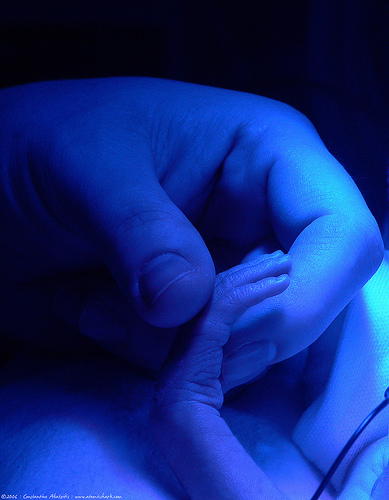
New Tool Lets Doctors Predict Postpartum Depression with 80% Accuracy
Spanish researchers say they’ve developed a medical model that predicts, with 80% accuracy, which women will experience postpartum depression after childbirth.

500% Increase in Student Mental Illness over Last 70 Years
College students in 1938 rarely battled the depression, anxiety and other mental health conditions that their peers from today now struggle with.
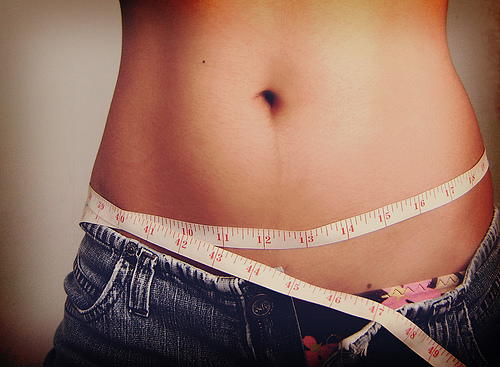
Depressed? Losing Weight Might Help
Depressed people participating in a weight loss study not only lost pounds, they beat the blues as well!

Canadian Researchers Show that Self Help Doesn't Help (Sometimes)
We all know of the power of positive thinking, but new research demonstrates that for some people, positive thinking can lead to feeling worse. Chanting positive mantras may be a self help technique that hurts, instead of helps.

Researchers Say as Many as 35% of Returning Iraqi War Soldiers Will Have PTSD
Researchers out of Stanford University say that as many as 35% of returning American soldiers will experience PTSD and that the VA hospital system needs to increase mental health services capacity to meet the coming need for care.
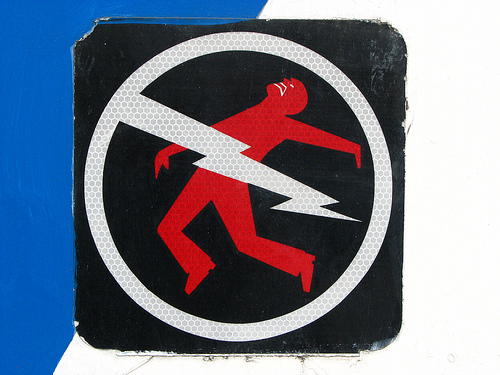
Protestors Rally Against Electro-Shock Therapy - Doctors Insist It's Safe
Protesters in Ottawa want legislation against the use of electro-shock therapy. Doctors defend it as an effective and safe procedure, that sometimes works when nothing else will.

Combat Vets More Likely to Abuse Alcohol than Experience PTSD
Alcohol abuse is the most prevalent mental health disorder experienced by British troops returning from combat, with depression coming in second - An estimated 27.2% of those troops suffer from at least one mental health disorder.

Words Matter – Study Finds the Term ‘Abuser’ Causes More Punitive Treatment
Study finds that referring to patients as having a substance use disorder earns them better and less punitive treatment than referring to them as substance abusers.

Teen Suicides Increasing
For the second consecutive year, researchers have observed a sudden dramatic increase in suicides among American teenagers. Alarmed doctors and parents are now looking for answers.

Sunshine Increases the Cognitive Performance of Depressed Study Subjects
While researchers have long known of an association between sunlight intensity and mood, scientists now know that sunlight affects how effectively depressed people think, as well.

MRIs Can Predict Who Will Experience PTSD
Researchers out of Israel have shown that MRI technology can predict which soldiers are likely to experience PTSD after stress exposure.
Panic Disorder - Web Based Biofeedback Shows Promise
Researchers in Taiwan say that web based biofeedback therapy seems to work well for those with panic disorder, allowing people to gain control over initial feelings of apprehension without descending into panic.

Small Town Bars Linked to Suicide
Living in a rural area with a high density of bars and taverns may increase the risks of suicide.

Internet Connections Help People Deal with Grief
People in bereavement are finding understanding and support online through internet grieving communities.

College Failure Not Linked to Depression
Most young people today imagine they’ll graduate from college and work as a professional in some field, but many won’t achieve this goal. Fortunately, new research out of the University of Florida suggests that trying and failing does not lead to increased rates of depression.

New Adoptive Parents at Risk for Depression
Researchers at Purdue University say that just as new moms get postpartum depression, newly adoptive parents are at risk of postadoption depression – a condition caused largely by a parenting reality that doesn’t meet expectations.

Got the Blues…How About the Greys? Depressed People Say Shades of Grey Better Describes Their Moods
When asked to select a color from a color wheel that best describes the way they feel, people with anxiety and with depression tend to choose a shade of grey.

Stress Causes the Release of an ‘Overeating’ Protein in the Body
People tend to gain a little weight during times of stress – there’s just something about anxiety that seems to have us reaching for fatty and sugary ‘comfort’ foods. Now, scientists in Israel say think they now why; they’ve isolated a gene that causes the release of a protein called Ucn3, and high levels of this protein in the body affects us by changing the foods we crave, and eat.

Telephone Therapy for Depression Almost as Good as in Person Counseling
Researchers at Brigham Young University say that receiving counseling over the phone seems almost as effective as in-person therapy for the treatment of depression.

Researchers Say Dietary Supplement May Help Cure Postpartum Depression
Canadian researchers at the Centre for Addiction and Mental Health (CAMH) in Toronto say they’ve figured out why some women succumb to postpartum depression after childbirth – and they say that they’re working on a dietary supplement that may well reduce the severity of the condition.
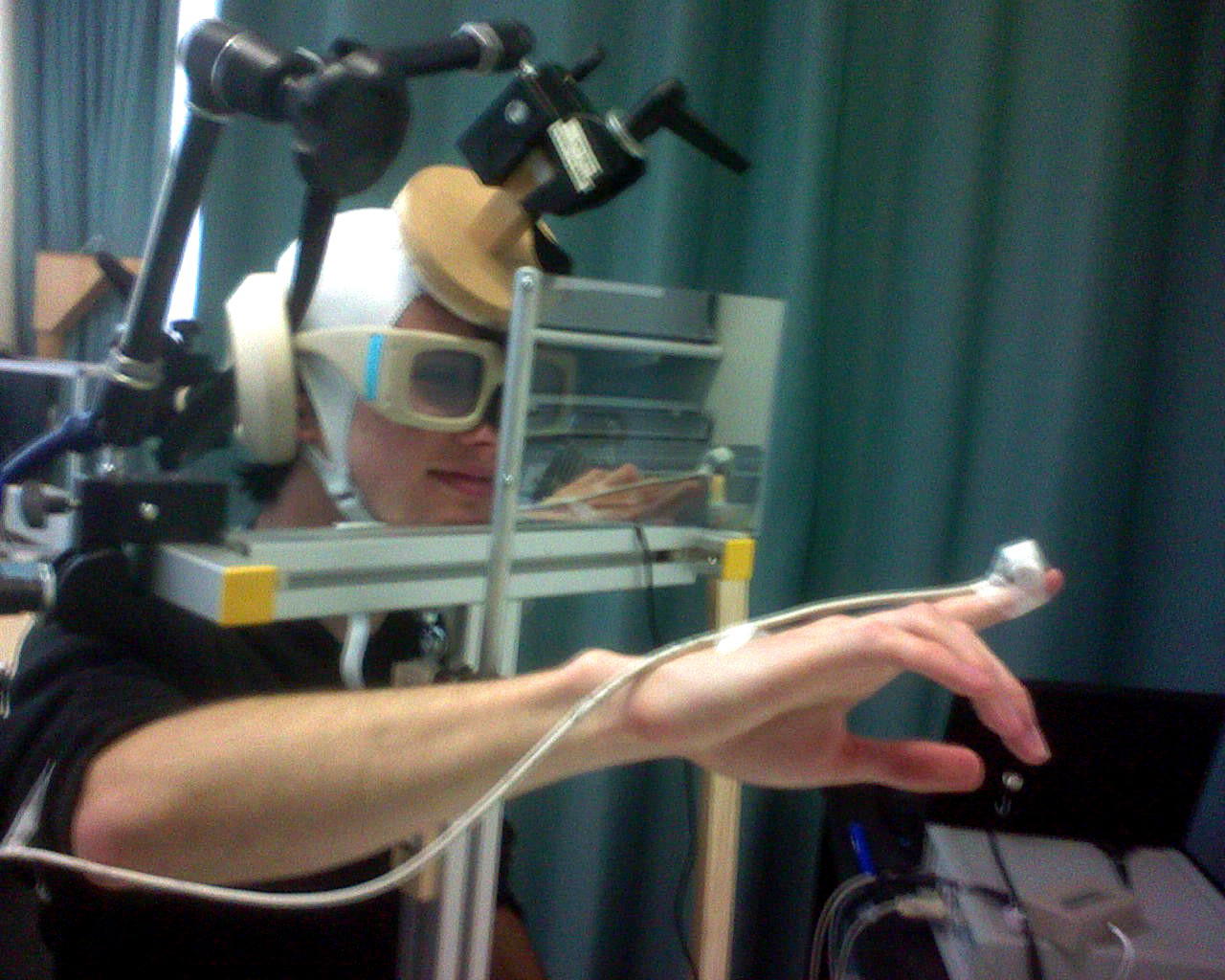
Magnetic Brain Stimulation Is Proven an Effective Therapy for Severe Depression
A new research study has proven that the magnetic brain stimulation does work for some people who have severe depression that does not respond to anti depressants.

Low Vitamin D Levels Linked to Increased Depression in Older Adults
Failing to get enough of the sunshine vitamin might increase your risks for depression, as well as a host of other chronic conditions.

Researchers Find that Tai Chi Reduces Depression, Anxiety and Stress
Researchers at Tufts University say that practitioners of Tai Chi benefit from improved mood and decreased stress and anxiety.

Canadian Researchers Show that Self Help Doesn't Help (Sometimes)
We all know of the power of positive thinking, but new research demonstrates that for some people, positive thinking can lead to feeling worse. Chanting positive mantras may be a self help technique that hurts, instead of helps.
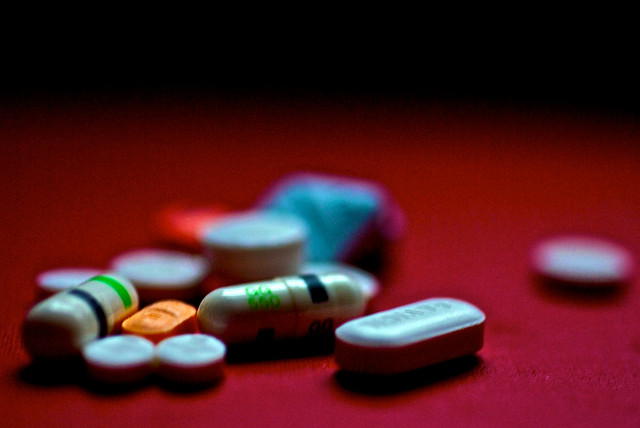
Aspirin and Ibuprofen Nullify Effects of Popular Anti Depressants
Although in 2010 Americans filled 254 million prescriptions for SSRI anti depressants (like Zoloft, Prozac and others) a significant percentage of people taking these medications experienced little benefit. Researchers out of Rockefeller University think they know why – saying that common over the counter pain medications, like aspirin or ibuprofen, may nullify the effects of SSRIs.

Olympic Speed Skating Champion Reveals 2 Year Battle with Depression
Canadian Clara Hughes opened up this week to talk about the depression that lurked behind her record breaking Olympic career.

Study Finds that a Majority of ‘Locked In Syndrome’ Paralysis Patients Are Happy
People with locked in syndrome paralysis are mentally aware but unable to move anything in their bodies, with the exception of their eyes. Although it’s difficult to imagine living a satisfying life under such difficult conditions, a new study shows that an overwhelming number of patients with the disorder say they’re happy. People who have had the condition for a longer period of time were more likely to report happiness, which raises points for discussion in any debate about the validity of euthanasia.

Half of Iraq and Afghanistan Vets in VA System Treated for Mental Illness
More than 330 000 Iraq and Afghanistan war veterans have now received mental health treatment in the VA health system. For a typical returning soldier it takes an average of 4 years to access mental health benefits.
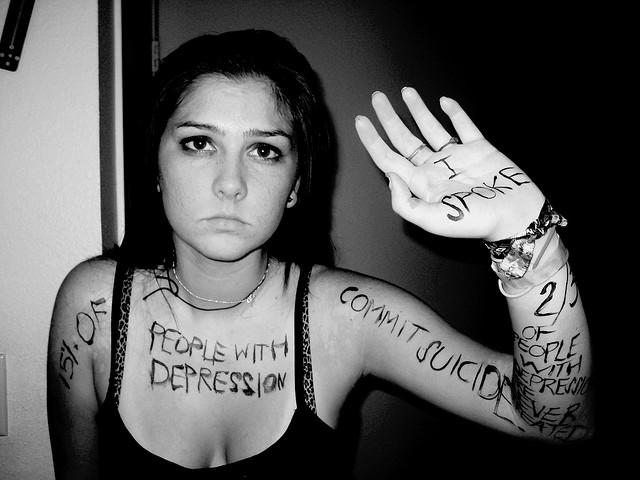
From Age 10 to 24, Mental Health Disorders the Leading Cause of Disability
Diseases like depression, schizophrenia and other mental health disorders account for 45% of the disability experienced by those aged 10 to 24 world-wide. The distant second and third ranking causes of young person disability are injuries (12%) and infectious diseases (10%).

Meditation and Mindfulness Works as Well as Anti Depressant Medication to Prevent Depression Relapse
Mindfulness, a technique out of Buddhist meditation that helps people stay focused on the present moment, works as well as anti depressant medications in helping people with depression avoid relapse.

Researchers Find First Ever Biological Marker for PTSD - Women with Increased PACAP Hormone Levels Are More Prone to PTSD
In the study of women who had been exposed to severe trauma, those with high levels of PACAP experienced 5 times the PTSD symptoms of those with below normal levels of the hormone. This is the first biological marker ever discovered that could identify which people are at increased risk of the anxiety disorder.

Depression or Anxiety in Pregnancy Can Cause Childhood Asthma
Pregnant women who experience significant depression or anxiety during pregnancy are more likely to have children who suffer with asthma.

Want a Nose Job? You May Have a Mental Illness – Study Says 1 in 3 Who Seek Rhinoplasty Suffer from Body Dysmorphic Disorder
A third of people asking for a nose job have a mental illness called body dysmorphic disorder (BDD).

Researchers Say We Can Teach Depressed People How to Be Happy
Can teaching happiness help to reduce symptoms of depression? Researchers at Duke University Medical School and The University of California, Riverside say probably, and as an added bonus, learning to incorporate activities like counting your blessings or writing thank you notes into a daily routine gets happiness results fast, and doesn’t cost much at all.
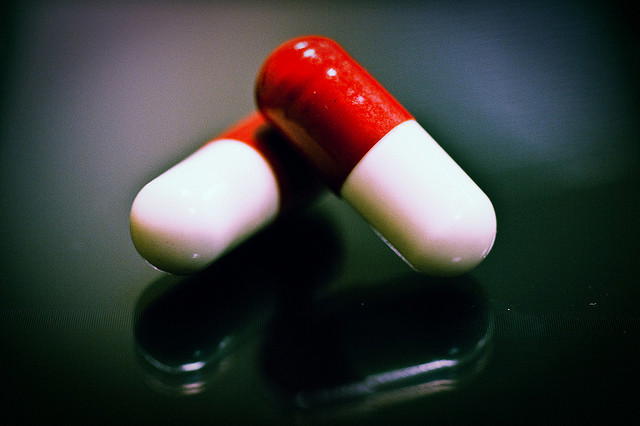
Huge Rise in Antidepressant Prescribing to People without a Diagnosis of Depression
Researchers at John Hopkins University say that primary care physicians are more likely than ever to prescribe antidepressants and in a significant percentage of cases, to prescribe these medications without making a diagnosis of mental illness.

Self Medicating Anxiety Problems with Alcohol More than Doubles Risk of Substance Abuse Disorders
People with anxiety disorders who self medicate with alcohol are between 250% and 500% more likely to become substance abusers than people with anxiety disorders who follow the directives of their prescriptions.

Men More Prone to Substance Abuse – Women More Prone to Depression or Anxiety
Researchers at The University of Minnesota say that men and women are affected differently by mental illness, with women more likely to succumb to anxiety or depression and men more likely to develop substance abuse or antisocial disorders

Army Suicides Hit Record High in July
32 Army soldiers committed suicide in July, a new record high, besting the previous tragic mark of 31 suicide deaths last June.

Australian Researchers Say Climate Change Will Increase Mental Illness Rates
As climate change brings more extreme weather events like droughts, tropical storms and floods, prevalence rates for disorders like anxiety, depression and substance use are expected to rise.

Australian Researchers Say Eating a Healthful Diet as a Teen May Prevent Depression
Researchers say that teens with poor eating habits are more likely to experience depression. They say that good eating habits in adolescence might protect against depression for a lifespan.
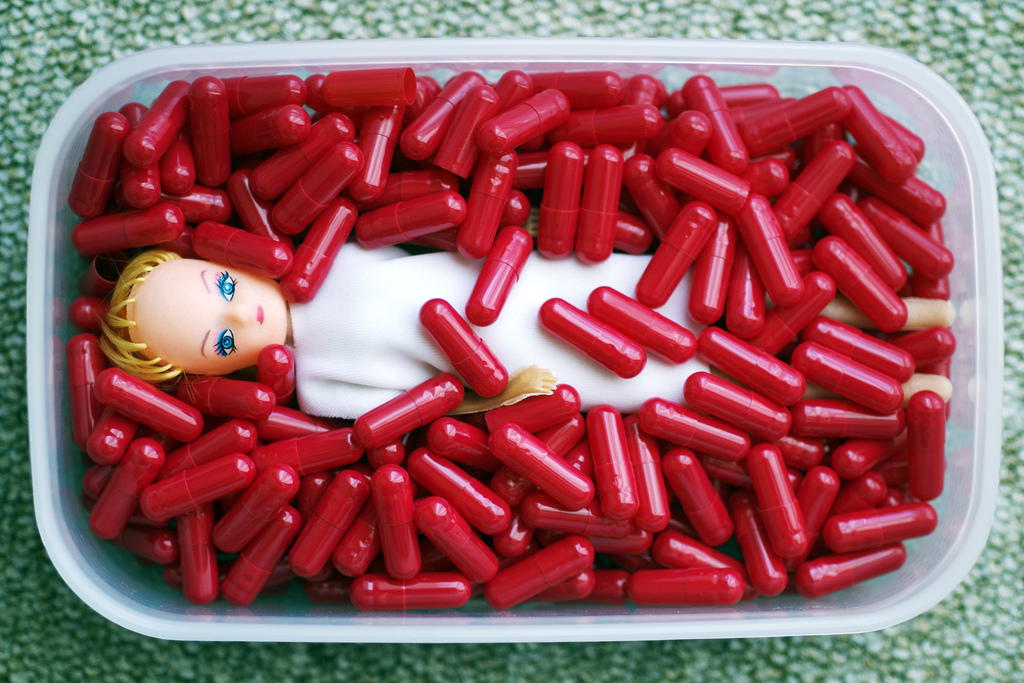
Americans – More Than 10% Now Using Antidepressants
The CDC says that more than 10% of Americans over the age of 12 are now using antidepressant medications. This is a 400% increase from 1994.

Teens with Social Anxiety Feel Better by Blogging about Their problems
Teens battling social anxiety and having difficulty interacting with classmates may find some angst relief by blogging their way through the experience.
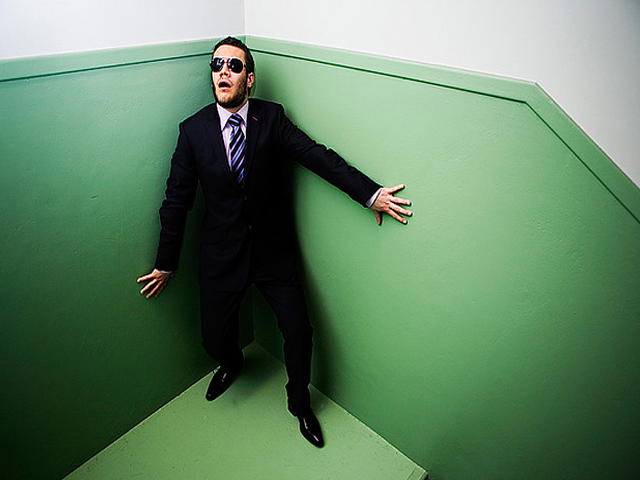
Working More Than 11 Hours per Day Linked to Increased Risk of Depression
Researchers in the UK found that people who worked more than 11 hours per day were about two and a half times more likely than those who worked a normal 8 hour day to develop clinical depression.

More Than 50% of Women on Parole or Probation Have Mental Illness
In a report which underscores the very real need for mental health services in the criminal justice system, the Substance Abuse and Mental Health Administration (SAMHSA) says that about 50% of women on parole or on probation have experienced mental illness within the last year.

Study Shows Yoga May Prevent Adolescent Mental Illness
Researchers suggest that high school yoga classes improve psychological well-being and may prevent mental illness onset.

Teens Ecstasy or Amphetamine Use Linked to Increased Depression Risk
Canadian researchers say teens who use amphetamines or ecstasy once or more experience a dramatically elevated risk of depression (60% to 70% increase).

Nature Walks Reduce Symptoms of Depression
For depression relief, researchers say walking in nature does more good than walking in the city.

Spider Therapy Study Demonstrates Effectiveness of Exposure Therapy for Specific Phobia
Researchers at Northwestern University say that a single 2-3 hour exposure therapy session helped 12 study subjects overcome debilitating spider phobias for good.

High Fat Diet Linked to Depression
Researchers say a diet too high in saturated fat may lead to brain changes and increased depression and anxiety.

A Single Dose of Ketamine Erases Bipolar Depression within Minutes
Researchers at the National Institute of Health say that a single dose of Ketamine eliminates depressive symptoms within minutes of administration for people with bipolar depression.

Getting Spanked as a Child Increases Your Risk of Mental Illness as an Adult
Canadian researchers say getting spanked as a child increases your risk of developing a mental illness as an adult.

Compassion Training Improves Adolescent Mental and Physical Health
Teens in the Georgia foster care system given 6 weeks of cognitively based compassion training made greater improvements in mental and physical health than teens given no such training.

Study: Telephone Motivational Interviewing Helps Convince Vets with Mental Illness to Initiate Treatment
New study shows that telephone based motivational interviewing therapy helps convince people with mental illness to initiate the treatment they need.

Overnight TV or Computer Monitor Light Increases Risk of Depression
Sleeping while exposed to low levels of artificial light, like from a TV or computer screen in a darkened room, likely increases your risk of depression, as well as obesity and certain cancers.
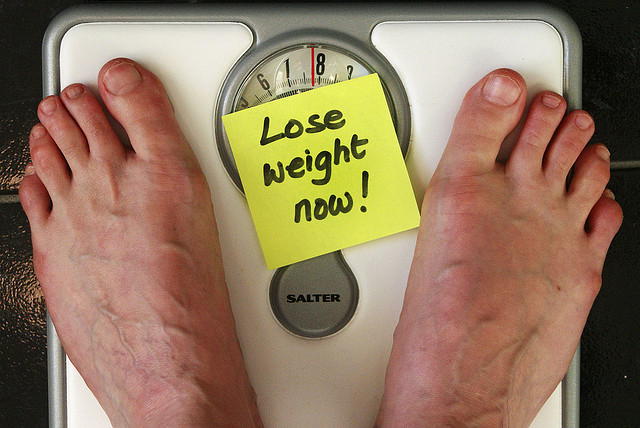
A Positive Outlook Matters - People Who Believe in Their Ability to Change The Future Live Healthier Lives
Researchers say mental outlook has a great influence on overall health. People who believe in fate or luck are more likely to binge drink, overeat and smoke cigarettes while people who believe their choices matter tend to adopt healthier lifestyle habits.

Study: Phone Based Cognitive Behavioral Therapy Works as Well as In-Person Therapy
After sifting through the data from a huge study, English researchers say phone-based cognitive behavioral therapy (CBT) works as well as in person therapy for people with mild to moderate depression and anxiety.

Boost Happiness and Mental Health by Eating 7 Servings of Fruits and Vegetables per Day
Researchers say that people who eat more fruits and vegetables, up to a cap at 7 servings per day, are happier and have fewer mental health problems

The Secret to Happiness? A Few Extra Minutes of Exercise Each Day
Penn State researchers say you can improve your sense of well-being and life satisfaction by exercising just a little bit harder or for just a little bit longer than you normally do.

Research: To Purge Negative Thoughts, Just Write Them Down and Throw Them in the Trash
Unwanted negative thoughts – researchers say you can eliminate their power by writing them down on paper and then throwing that paper in a trash can.

Study Finds Linkage between Diet Drinks and Depression
In a study which shows an association, but no causality – researchers find that people who drink 4 or more cans of diet soda per day are 31% more likely to get depression than people who do not drink sweetened beverages.

Teen Stress Linked to Adult Mental Illnesses like Major Depression and Schizophrenia
For people already predisposed to mental illness (people with mental illness in the immediate family, for example) experiencing stress during adolescence likely increases the risk of experiencing mental illness as an adult.

Acts of Kindness Reduce Social Anxiety and Increase Happiness
Researchers say that not only do random acts of kindness make us feel happier; they can also reduce the severity of social anxiety disorder symptoms.

Social Contagion: Living with a Person at Risk of Depression May Increase Your Risk As Well
At certain periods in life, living with a person who uses maladaptive thinking styles increases your risk of depression. Fortunately, the opposite is also true.

Driving to Work Degrades Mental Health but Active Commuting Improves It
Want to be happier (and avoid relapse?) Well, leave the car at home and walk, cycle or bus to work. Researchers say active commuting leads to substantial psychological health gains.

Experimental App: Using Passive Phone Data to Monitor Your Mental Health
Your phone’s accelerometer, microphone, location sensor and light sensors provide an app all the data it needs to identify mental health problems – in real time.