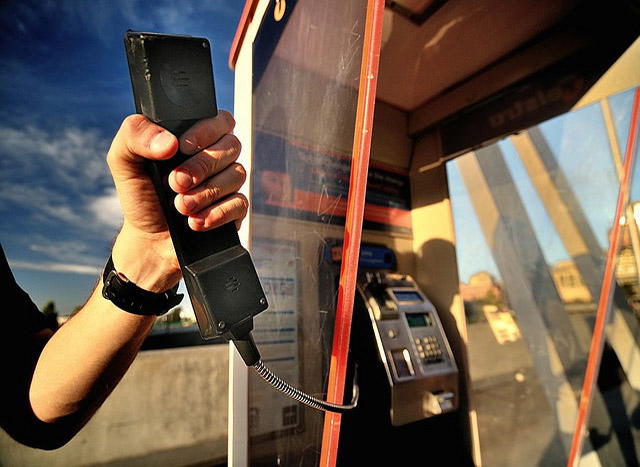
Study: Telephone Motivational Interviewing Helps Convince Vets with Mental Illness to Initiate Treatment
New study shows that telephone based motivational interviewing therapy helps convince people with mental illness to initiate the treatment they need.

Although approximately 52% of US veterans of Iraq and Afghanistan have one or more mental illnesses (such as depression, PTSD or anxiety) a significant percentage of these vets ignore the mental health treatment they’re eligible for.
Would motivational interviewing techniques used during brief phone calls to vets in need result in an increase in treatment participation?
That’s what UCSF professor of psychiatry and medicine Karen Seal, MD wanted to know, and to find out she enlisted 73 vets with one or more mental illness to participate in a study.
Half of the subjects were randomly assigned to a group that received 4 phone calls of motivational interviewing over an 8 week period. The other half (the control group) got 4 check-in phone calls over that same period, but no motivational interviewing.
The Results
- By the end of the study 62% of the vets from the motivational interviewing group had initiated mental health treatment compared to only 26% of the vets from the control group.
- Subjects from the motivational interviewing group were far more likely to stick with treatment than subjects from the control group.
- Vets in the motivational interviewing group associated less stigma with mental health care than vets from the control group
- Vets from the motivational interviewing group decreased their marijuana use more than vets from the control group
Commentary
Explaining the rationale for the study, Seal noted, “The VA has gone to extraordinary lengths to provide these veterans with state-of-the-art, evidence-based mental health treatment. The irony is that they are not necessarily engaging in this treatment. This study was positioned to try to connect our veterans with the treatments that are available to them.”
She also noted that people who made the phone calls were all masters’ degree level students who received an 8 hour training course, but because no professionals were used, the potential replication costs are moderate.
The full study results are published in General Hospital Psychiatry
More like this
Secret Email Memo Urging V.A. Doctors to Under-Diagnose PTSD Angers Veterans
A Federal Judge in San Fransisco has reopened a case against the V.A. after reading an incriminating memo from one of the organization's doctors. A new hearing is scheduled for Tuesday.
More than a Third of Iraq and Afghanistan Vets Need Treatment for Mental Illness
Research compiled on veterans seeking treatment within the VA health care system reveals a dramatic increase in mental health disorders since the wars in Iraq and Afghanistan
Researchers Say as Many as 35% of Returning Iraqi War Soldiers Will Have PTSD
Researchers out of Stanford University say that as many as 35% of returning American soldiers will experience PTSD and that the VA hospital system needs to increase mental health services capacity to meet the coming need for care.
Combat Vets More Likely to Abuse Alcohol than Experience PTSD
Alcohol abuse is the most prevalent mental health disorder experienced by British troops returning from combat, with depression coming in second - An estimated 27.2% of those troops suffer from at least one mental health disorder.
Half of Iraq and Afghanistan Vets in VA System Treated for Mental Illness
More than 330 000 Iraq and Afghanistan war veterans have now received mental health treatment in the VA health system. For a typical returning soldier it takes an average of 4 years to access mental health benefits.