Neuroscience
18 articles

Performance Enhancing Drugs for the Brain - Ilegal, and Used by 20% of Scientists
One in 5 scientists polled admitted to using performance enhancing drugs to increase mental ability.

Greater Knowledge of the Brain May Lead to Super-Soldiers and Mind Controlled Weapons, Says DIA Report
Neuroscientists working to unlock the mysteries of the mind may provide military strategists with fertile material for new weapons development, says a report by leading scientists for the DIA
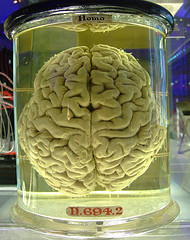
Cigarettes or Heroin – Can Your Brain Tell the Difference?
Deep in your mind, in the area that sends out pleasure signals to the body, heroin and cigarettes seem to do pretty much the same thing.

Junk Food Diet Causes ‘Drug Addiction’ Like Changes in the Brain
Researchers say that eating too much junk food can lead to changes in the brain similar to what is seen in drug addicts. They say this helps to explain compulsive and unhealthy eating at the neurochemical level.

Scientists Say Ritalin Helps Kids Learn Faster
Researchers discover that not only does Ritalin improve focus – it also quickens learning.

Alcohol Linked to Accelerated Aging – It Quickens Cellular Biological Clock
Italian researchers say that chronic heavy drinking shortens telomeres, a part of our DNA that serves as a ‘biological clock’ for aging.

Children with Sleeping Problems Are at Risk of Substance Abuse as Young Adults
Children who can’t sleep well suffer from overtiredness and impulse control problems. These children tend to start experimenting with drugs and alcohol at an earlier age and are at greater risk of substance abuse problems in early adulthood.

Forgetful? How Bout’ a Cup of Green Tea – It May Protect the Brain From Dementia
Researchers have long known that a healthy diet, exercise and mental stimulation into older age all protect the brain from dementia and Alzheimer’s, and now based on the results of some research coming out of Newcastle University in the UK – they may have to add the regular consumption of green tea to that list of protective factors.

Long Term Adult Relationships Cause Brain Changes that Reduce the Intensity of an Amphetamine High
Researchers at Florida State University say that animals which form long term adult pair relationships get much less reward from amphetamine than unpaired (single) animals.

Air Pollution – Smoggy Skies Linked to Depression and Cognitive Declines
Researchers in Ohio say it’s not only our lungs that suffer as urban skies grow hazier – Intelligence and happiness are also at risk.

Researchers Say They’ve Developed an Effective Heroin Vaccine
Researchers at The Scripps Institute say they’ve got an experimental heroin vaccine in the works, and based on the results of animal testing experiments, it looks like it just might work.

Music Therapy Reduces Pain and Anxiety in Cancer Patients
Research suggests that music therapy reduces cancer related anxiety and some pain.
Music Reduces Experience of Pain, Especially Among People with High Anxiety
Looking for a way to control your pain without resorting to addictive opiates? Well, researchers say you might as well start by putting on some of your favorite music, because in one recent study, listening to music actually reduced sensations of pain.
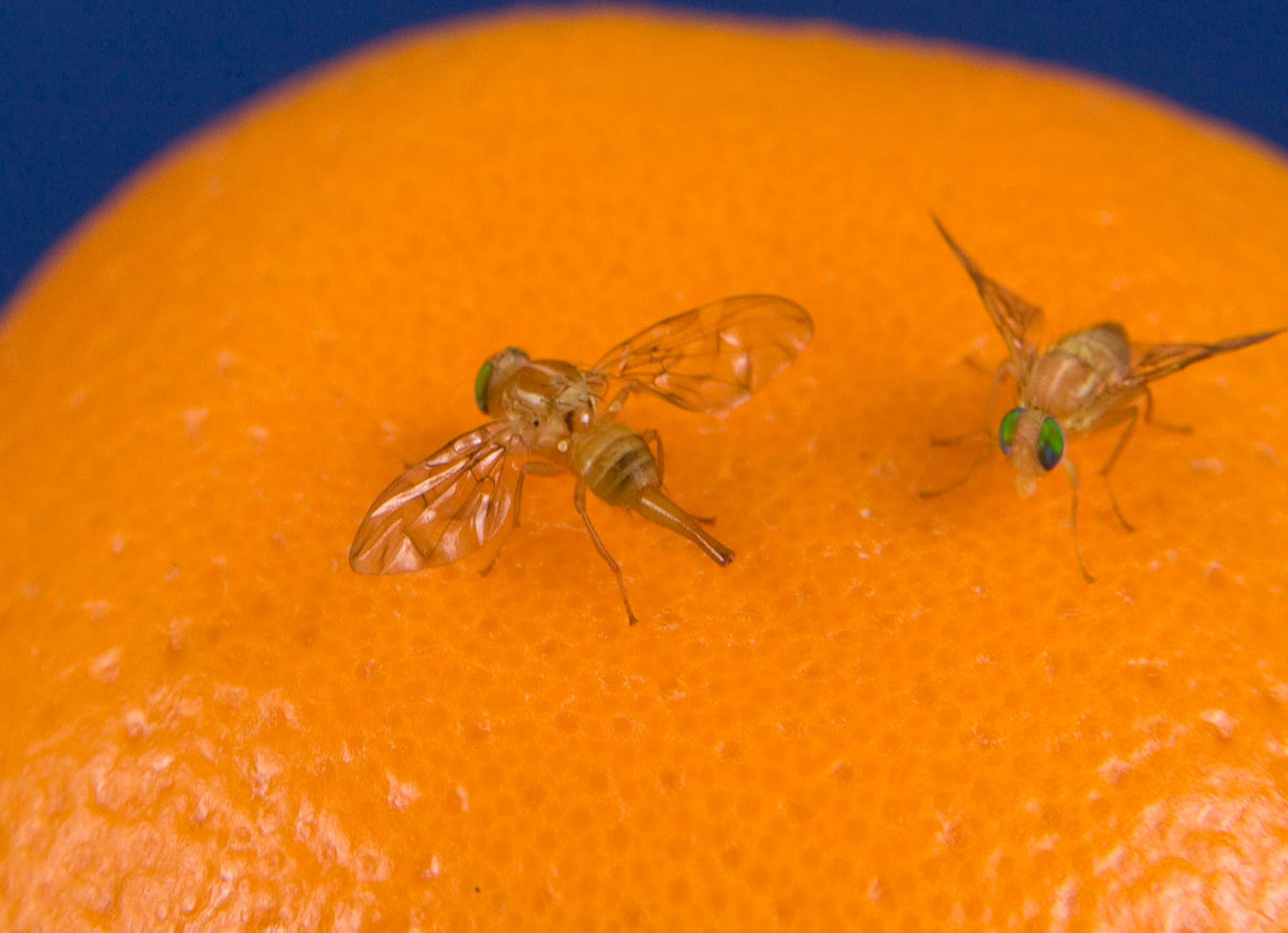
Sexually Deprived Fruit Flies Drink More Alcohol
Male fruit flies that couldn't get any sex drink far more alcohol than sexually satisfied male fruit flies. Researchers say that variations in levels of a chemical called neuropeptide F explain the difference and that humans also make use of a very similar brain chemical.

The Link between Traumatic Brain Injuries (TBI) and Depression
Wondering what’s causing your depression? Have any concussions or other forms of brain injury in your past? Well, if you do it might explain the way you’re feeling, because having a brain injury, even a minor one, greatly increases your risks of depression – even years after the fact.

Teen Girls Using Marijuana May Predispose Their Future Children to Opiate Addiction
In an animal model study, researchers found that rats given a THC-like substance in adolescence gave birth to offspring who were more predisposed to enjoy and abuse opiates than rats born to mothers that had not used THC-like drugs.

Researchers Link Mindfulness to Healthier Cells and Longer Telomeres and Suggest Attention May Increase Longevity
Not only does mindfulness improve mental health, researchers at UCSF say it may also improve cellular health by protecting chromosomes from damage and decay… So at the end of the day – paying more attention might lengthen your lifespan.

Finally Some Good News! Gene Linked to Increased Addiction Risk Also Linked to Extreme Longevity
Researchers say that people with the DRD4 7R gene are at an increased risk of ADHD and addiction but also more likely to live to extreme old age.