Managing Stress and Anxiety in the Wake of Trauma
Feeling stressed and anxious after a disaster is normal. Here is some information on what feelings are normal after a disaster, with tips on managing and reducing feelings of stress and anxiety - and also, information on when to get professional help for serious stress or mental health symptoms.

It’s normal to feel stressed or anxious after experiencing or even witnessing a disaster. Feelings of stress may emerge very quickly after the event, or they may emerge in the days, weeks and even months after the fact.
What Are Some Normal Reactions to a Disaster?
Although feelings of stress and anxiety are unpleasant, they are normal reactions to abnormal events, and in most cases, stress and anxiety will subside in time.
According to SAMHSA’s National Mental Health Information Center, some normal stress reactions to a disaster or traumatic event can include:1
- Feelings of anxiety, tension and nervousness
- Finding yourself crying easily
- Excessive drug or alcohol use
- Emotional numbness
- Feelings of anger or irritation
- Social isolation
- Insomnia
- Fatigue
- Problems of attention and memory
How to Cope with Post-Disaster Anxiety and Stress
Stress reactions after a disaster may be normal, but they are mostly unpleasant and can interfere with your quality of life and your interactions with friends, family and co workers.
Here are some techniques that you can use to help manage and minimize the post disaster stress and anxiety you may be feeling.
- Get back into a ‘normal’ daily routine. Although you may not feel much like attending to the groceries and the kids’ soccer practice, by keeping busy and ‘back to normal’ you accelerate your recovery.
- Stop your news vigil – If you’ve been pouring over the internet and glued to the TV for latest breaking disaster news, you may only be feeding your feelings of anxiety. It’s unlikely that your vigilance will do any good, so give yourself a breather.
- Take care of your physical health. Eat nutritious meals, get out and do some vigorous exercise and try to get enough sleep every night. You are far less able to manage stress when you let your body get run-down.
- Try to find a way to genuinely help – feelings of helplessness can stoke the fires of anxiety, so take back some control and make a productive difference. Volunteer your time and energy with an organization that’s helping in the rebuilding process – burn off your restless energy to good purpose!
- Don’t bottle-up the feelings you have – Talk with others in your family and community about how you, and they, are feeling and coping.
- Don’t dwell on the negative – although it’s normal to feel overwhelmed in the face of death and destruction (especially when it’s close to home) you can start feeling better faster by remembering what is good in your life and what you still have to hope and live for.
When to Seek Help for Post-Disaster Stress and Anxiety
Although for most people, feelings of stress and anxiety will subside in time, for some people, disaster exposure can cause PTSD and other mental disorders – conditions that do not necessarily get better or go away on their own.
Talk to a mental health professional if:
- You can’t get back into a normal routine, can’t function normally on the job or at home
- You are abusing drugs or alcohol to cope with your feelings
- You’re worried that you are going to hurt yourself or someone else
- You notice symptoms of mental illness
- You have feelings of sadness or depression that persist beyond 2 weeks
References
Editor’s picks

How Adverse Childhood Experiences Lead to Adult Addiction
Part 1 of a 2-part article on how childhood trauma leads to lifelong challenges – like addiction and other mental and behavioral health problems. Also, how to know if childhood trauma affects someone you love.
Helping Children Cope after a Disaster
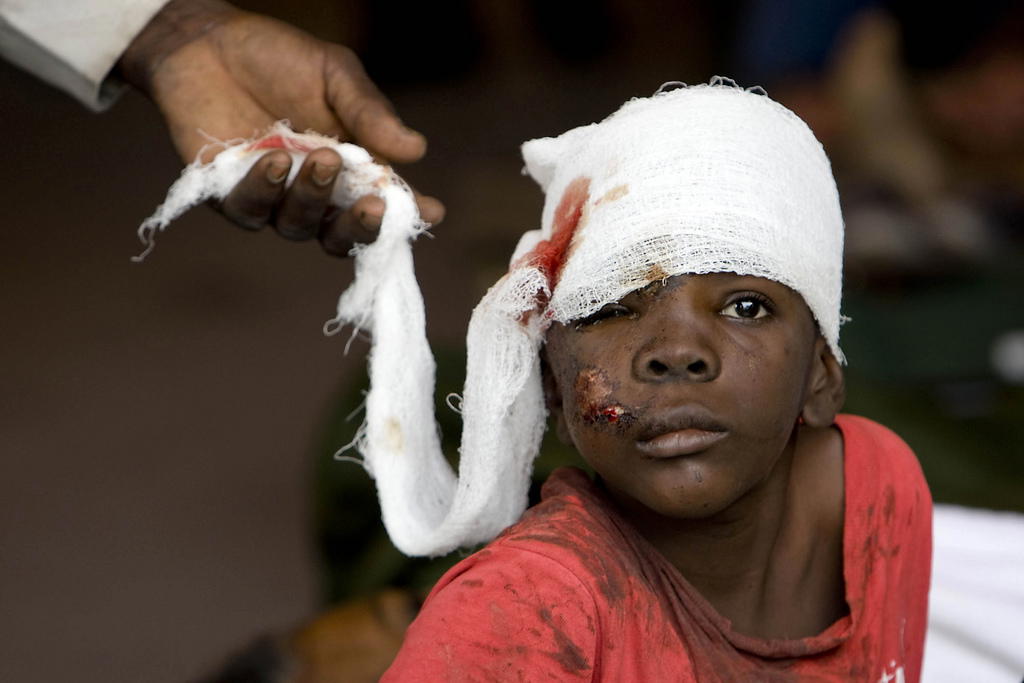
A guide to how children feel and act after experiencing a disaster and what parents can do to minimize fear and other harms.
Dealing with Grief after a Disaster – The Risk of ‘Complicated Grief’
While few things hurt like the sudden loss of a loved one, grief is a necessary and ultimately healthy process. Unfortunately, people who lose family and friends to disasters may be at an increased risk of a disorder known as traumatic or complicated grief.
How to Support Someone with a Family Member in Haiti
Many of us know someone deeply affected by the earthquake in Haiti. Even thousands of miles from the devastation, we can see the pain and worry in the faces of those we care about as they watch and wonder, or grieve, friends and family left behind in Port au Prince.

Trained Service Dogs Reduce PTSD Symptoms
Like seeing eye dogs but for those suffering from PTSD symptoms, service dogs are ever vigilant so you don’t have to be, they are trained to wake you from nightmares, block others from intruding into your personal space, watch your back and even give you a doggy hug during moments of intense anxiety. While there is little research on the relatively new idea of pairing those with PTSD with service dogs, those who are already benefiting from this canine companionship say it makes a world of difference – that it can be a literal lifesaver.