
Incarcerated Black Men Have a Longer Life Expectancy than Free Black Men
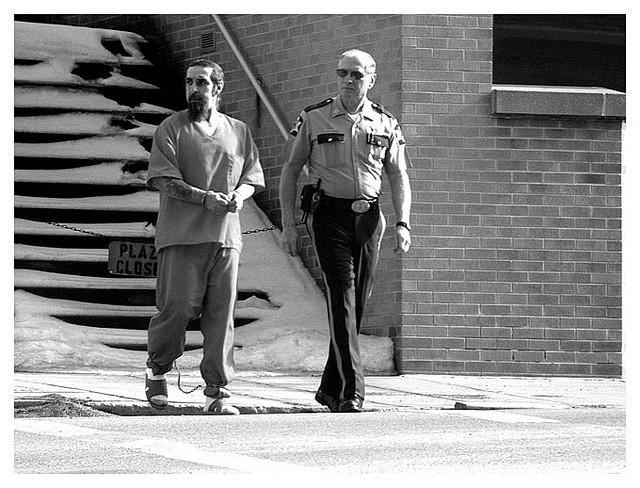
Due to better health care in prison, reduced violent crime and less access to drugs and alcohol, a Black man in America is about half as likely to die while incarcerated as he is while free. This disturbing truth that was unearthed by researchers from the University of North Carolina at Chapel Hill during a decade long study of inmates in the North Carolina criminal justice system.

In a study which points to some pretty glaring differences in things like access to health care and likelihood of experiencing violent crime, researchers in North Carolina say that Black men are less likely to die in any given year while incarcerated, than they are while free.
- While in prison, White and Black men were equally likely to die during any given year, but out in the world, Black men have a much higher death rate than White men.
- But while the death rate for incarcerated Black and White men was the same, that same death rate was a 12% increase on the death rate experienced by White men on the outside and a 50% decrease on the death rate experienced by Black men on the outside.
The reasons given for the fact that Black men seem so much less likely to die while behind bars include:
- Better access to health care services
- A decreased risk of cardiovascular disease and cancer (Black inmates are 30% - 40% less likely to die of thee diseases than Black men on the outside)
- Decreased abuse of drugs and alcohol
- Decreased rates of diabetes
- Decreased violent or traumatic death, such as accidents, murder or suicide
Commenting on the study results, lead author, Dr. David Rosen of the University of North Carolina at Chapel Hill said "For some populations, being in prison likely provides benefits in regards to access to healthcare and life expectancy. But it's important to remember that there are many possible negative consequences of imprisonment — for example, broken relationships, loss of employment opportunities, and greater entrenchment in criminal activity — that are not reflected in our study findings but nevertheless have an important influence on prisoners' lives and their overall health."
The full study results can be read in the journal, Annals of Epidemiology.
More like this

Columbian Inmates Train Pigeons to Smuggle Drugs into Prison
Police in Columbia say they’ve ‘captured’ a pigeon outside of Bucaramanga prison that had 45 grams of marijuana and cocaine paste strapped to its back.

Senior Federal Judge Pleads Guilty to Buying Cocaine for Stripper
Jack T. Camp lost his job on the bench and may spend as many as 4 years behind bars for his role in procuring a whack load of drugs for a stripper he was involved with.
Incarcerating Fathers Leads to Increased Drug Use in Teen Children Left Behind
13% of young adults in America today grew up with a father who spent some time behind bars. It’s a pretty substantial number of people, and research out of Bowling Green State University suggests that teens growing up in such households are at an increased likelihood to use marijuana and other drugs.

UK Prison Docs Give Soon to Be Released Inmates Opiate Drugs, to Reduce Overdoses on the Outside
Prison doctors in the UK are getting ‘clean’ inmates back on opiate drugs prior to release, in an effort to reduce overdose deaths.

Canadian Police Chief Calls for ‘Safe Jails’ for Addicts
Knowing that prisons are often full of drugs and offer a nefarious higher education for young criminals, Calgary’s police chief is calling for the creation of a different kind of jail/detox to lock away those who commit crimes only to feed an addiction.