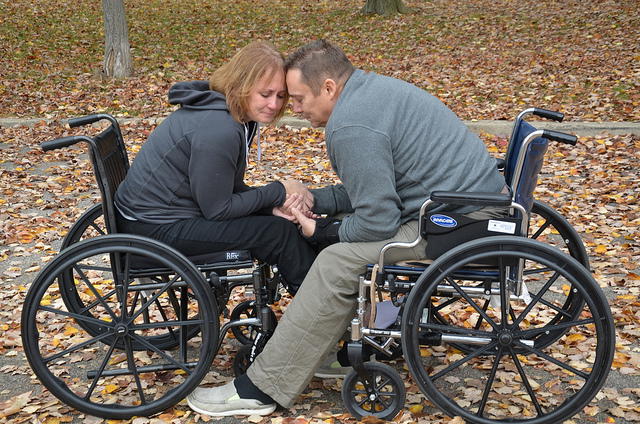
Coping with Chronic Ailments as a Couple
Even the most "solid" couple can struggle when one partner, or both, contract any type of chronic ailment. Some might think that it is "not cancer" or "not life-threatening" and should therefore be "easy" to deal with.... but any time there is a change in the functioning of people in a relationship, that relationship faces stress.
"Oh, it's just age catching up to us".... or "it's just diabetes," or "everybody gets high blood pressure".... whatever the "minor" problem might be, any type of ongoing physical issue can impact a relationship. Whether it is a "bad back" or aching joints, skin conditions, allergies, decreased tolerance to alcohol, fatigue, or any of those things that we won't die from immediately, can still affect both parties in a couple.
Physical Ailments Cause Emotional Changes
For the person who has the illness or condition, coming to terms with its effects and needed lifestyle changes can cause serious distress. Feeling tired, aching, or having to begin taking medications on a routine basis (which may have side effects), changes in current abilities, for example, can lead to feelings of frustration, anger, sadness. One may also feel useless, or just feel guilty about having a decreased ability to "help out" around the house, for example. There may be feelings of "it's my life" and a denial of a need to change in order to gain or maintain better health.
For the other partner, he may feel a wide range of emotions. There may be sadness at loss of activities, resentment at having to take on more work, guilt for having those feelings, and empathy for the ailing partner. One may feel like blaming the other partner for not having taken care of him/herself, or may experience frustration as the other person struggles to adjust. There may be feelings of angst as the dream of "spending our retirement together" changes.
The Importance of Communication
For both partners, communication and understanding are necessary coping tools. Although many effects of the ailment(s) are dealt with on an individual level, it is even more important for clear communication to occur. Support and "walking in someone else's shoes" are vital. Working out new relationship responsibilities and facing the new health issues together will help couples move forward. Delineating healthy boundaries of responsibility and cooperation is also important.
Support groups, self-help books, and couples counseling are some resources for assistance. It is perfectly okay and normal to experience stress at any change and adjustment, even if it seems "minor." Chronic or ongoing changes in physical health can definitely cause stress, and couples should feel it is okay to seek help in finding ways to cope.
It's OK to Ask for Help!
We all get older, and most of us will face some type of health issue or chronic ailment at some point in our lives - if we are part of a couple, then our "couplehood" will inevitably be affected. Some couples will ride it out with ease, but it is also possible and normal for stress, frustration and other adjustment-related feelings to cloud even the "best" relationships. It IS okay to acknowledge and seek help if it doesn't seem so easy. Life is short and our time with our beloved partners is even shorter - so let's make the best of it that we can!
Editor’s picks

Good Listener? Test Yourself, and Learn How to Improve!
Want a quick and easy way to improve your relationship? Try listening instead of talking for a change!!! To start with take this quick self test to assess your listening skills and areas of weakness, and then learn 14 simple listening skills to start using right away.

Mindset for Marital Success - The 10 Elements of Successful Marriages
Although nobody can guarantee a successful marriage, here are the attitudes you need as a couple to build a happy lifetime partnership.

Don't Let Grudges and Past Anger Poison Your Relationship - Learn How to Let Go
Pent up anger and long held grudges can kill a relationship. Learn why we keep that anger and how to change for the better.

Marriage Therapy on Your Own? How to Improve Your Relationship when Your Partner Won't Come Along
Find out how marriage therapy can save your relationship - even when your partner won't get involved.
Job Loss and Marriage - 8 Tips for Coping with Unemployment Stress
With the ongoing financial crisis and loss of jobs and unemployment benefits, a marriage can be stressed to the breaking point. Here are 8 marriage-protecting tips to help you cope - and thrive - through hard financial times.