
The Physical Signs of Chronic Stress
Chronic stress harms the body. Do you live under chronic stress? Is your body sending you a message?

Many of us become so accustomed to operating in environments of chronic stress that we become simply unaware of the effects stress has on our body. While acute stress, in some situations, can be beneficial, living under chronic, unrelenting stress is terribly harmful to health and well being.
Living under chronic stress, can lead to anxiety disorders, diabetes, weight gain and obesity, a decrease in immune system functioning, decreased cognitive performance, increased blood pressure, an increased risk of cardiac disease and others serious conditions. Chronic stress feels bad because it does harm.
Are you stressed? Do you show the physical warning signs of chronic stress?
According to the American Psychological Association (APA) here are some of the danger signs of chronic stress taking its toll:
- Feelings of anxiety
- Feelings of irritability (short fuse)
- Insomnia
- Tiredness
- Head-ache, muscle aches, back pain or other, tension related ills
- Feeling jittery
- Feeling scatterbrained, forgetful
- A lack of decisiveness
- Elevated heart rate
- Chest pains
- Comfort eating
- Cotton mouth (dryness)
If these symptoms sound familiar, and aren’t explained by another medical condition, then you may want to evaluate the impact stress has on your life and your health.
Editor’s picks
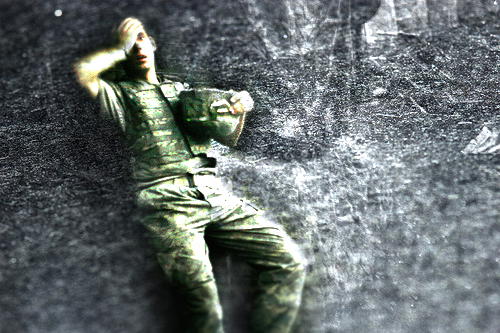
PTSD - Post Traumatic Stress Disorder
Answering some frequently asked questions about Post Traumatic Stress Disorder (PTSD).
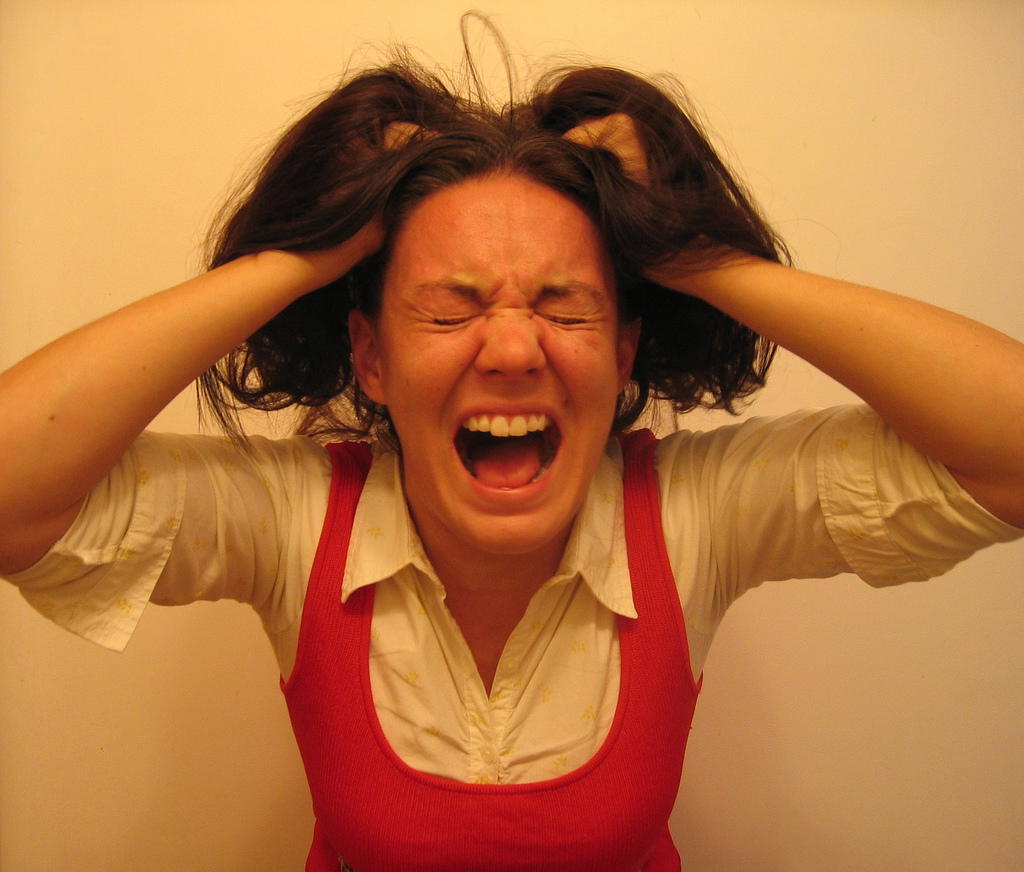
9 Ways to Deal with Stress; Stress Management Techniques
Chronic stress can lead to mental and physical health conditions. Minimizing your stress exposure is best, but many of us can’t practically eliminate stress – so instead we must learn to manage the stress we do experience.
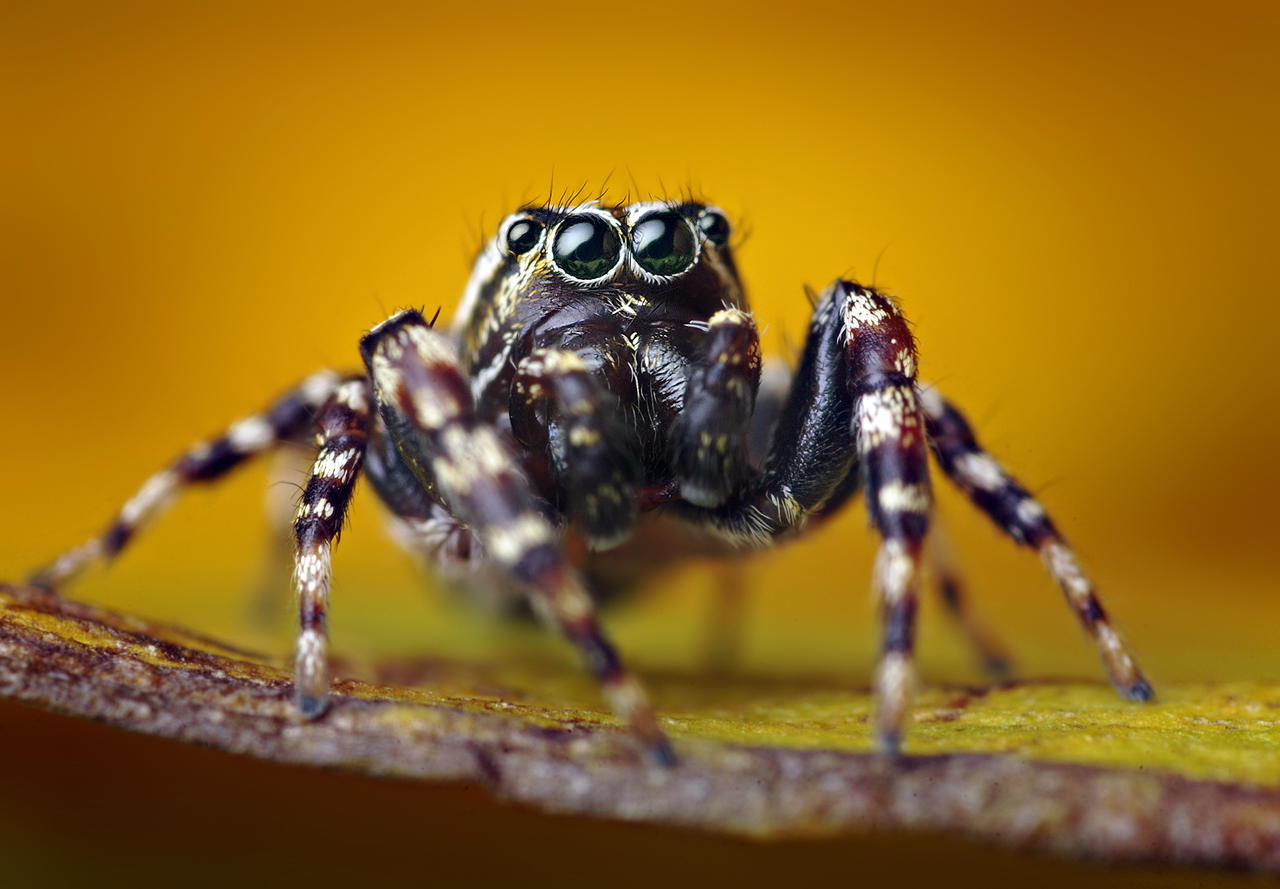
Specific Phobia
Anxiety in a dangerous situation is healthy; anxiety in a safe situation is not. A phobia is an unreasonable fear that can reduce quality of life. Phobias are very treatable but very few people with specific phobia get help.
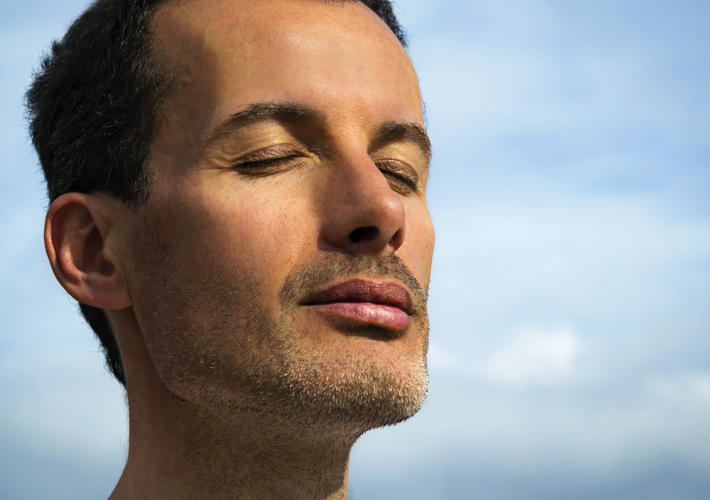
Stressed or Anxious? Why (and How) to Control Your Breathing
Find out why anxious breathing makes you feel bad and learn a simple, 30-second Deep Breathing Exercise that restores your inner calm.

25 Ways to Prevent and/or to Cope With Anxiety and Panic Attacks
Try a few of the following real-life tips from panic patients and therapists to prevent anxiety and panic and to retake control when panic strikes.