
Men More Prone to Substance Abuse – Women More Prone to Depression or Anxiety
Researchers at The University of Minnesota say that men and women are affected differently by mental illness, with women more likely to succumb to anxiety or depression and men more likely to develop substance abuse or antisocial disorders

To find out how sex differences affected the likelihood of developing differing mental illnesses, researchers at the University of Minnesota looked at data from the 2001/2002 National Institutes of Health survey done on a representative sample of more than 43 000 Americans.
They found that women were more likely than men to suffer from internalizing disorders, such as mood or anxiety disorders and men were more likely to suffer from externalizing disorders, such as substance abuse or personality disorders. For example:
- Women experienced a lifetime prevalence rate for depression of 22.9%. Only 13.1% of men had ever experienced depression
- Women were 1.47 times more likely to have ever had specific phobia, 1.39 times more likely to have ever had panic disorder and 1.34 times more likely to have ever had General Anxiety Disorder (GAD)
- Men were more than twice as likely to have ever experienced alcohol dependence (17.4% compared to only 8% of women) almost twice as likely to have ever experienced marijuana dependence ( 1.7% compared to 0.9%) and more than twice as likely to have experienced antisocial personality disorder (5.5% compared to 1.9%).
Previous research has found that women are more prone to mood disorders like depression as they tend to ruminate more on their problems.
Commenting on the significance of the study results, lead researcher Nicholas R. Eaton says that the findings of the study indicate that treatment and prevention interventions should be developed with an awareness of gender differences, saying, "In women, treatment might focus on coping and cognitive skills to help prevent rumination from developing into clinically significant depression or anxiety. In men, treatment for impulsive behaviors might focus on rewarding planned actions and shaping aggressive tendencies into non-destructive behavior."
The full study results can be read in the August 15th online edition of the Journal of Abnormal Psychology
More like this

Research Breakthrough Might End The Anxiety of Alcohol Withdrawal
Illinois researchers now understand on the molecular level how alcohol induces anxiety - and they think they might be able to stop it.

Air Pollution – Smoggy Skies Linked to Depression and Cognitive Declines
Researchers in Ohio say it’s not only our lungs that suffer as urban skies grow hazier – Intelligence and happiness are also at risk.
Researchers Say that More than Half of Adults Will Experience Mental Illness before the Age of 32
Mental health researchers who followed a pool of subjects from infancy to the age of 32, say that prevalence rates for alcoholism, depression and anxiety may be much higher than commonly believed - finding incidences of depression in 41% of subjects, anxiety in about half and alcoholism in a third.

500% Increase in Student Mental Illness over Last 70 Years
College students in 1938 rarely battled the depression, anxiety and other mental health conditions that their peers from today now struggle with.
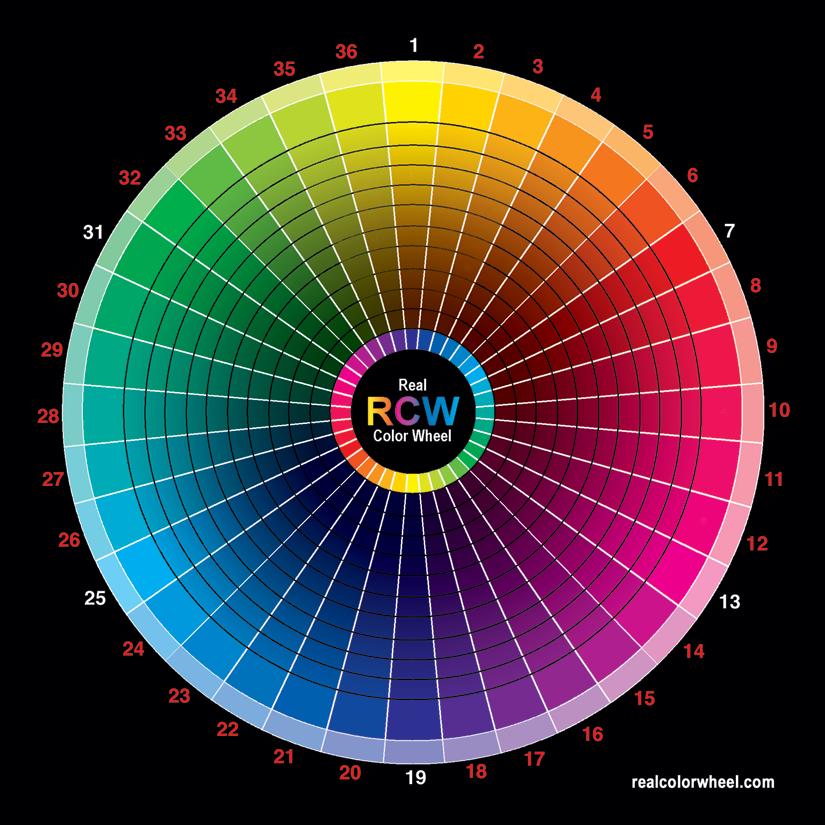
Got the Blues…How About the Greys? Depressed People Say Shades of Grey Better Describes Their Moods
When asked to select a color from a color wheel that best describes the way they feel, people with anxiety and with depression tend to choose a shade of grey.