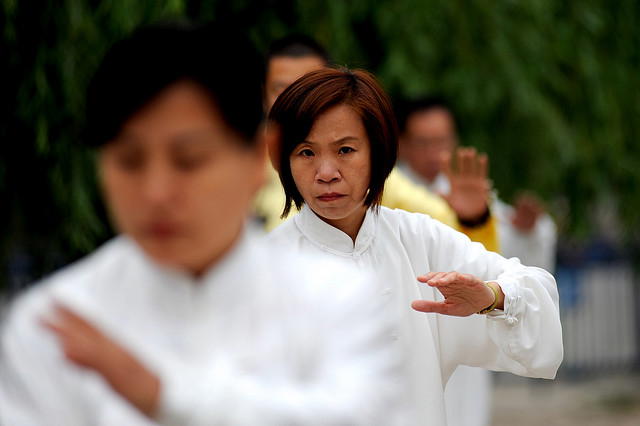
Tai Chi for Better Mental Health – The Evidence
Tai Chi is known to yield physical health benefits like improved muscle strength and balance, but can it also alleviate symptoms of depression and anxiety, reduce stress and improve mood and self esteem? Read on to find out what clinical researchers say about Tai Chi as a treatment for psychological well-being.

Practitioners of Tai Chi know that the ancient energy based martial art reduces pain, improves balance and mobility and muscle strength and reduces symptoms of conditions like osteoarthritis. Clearly, Tai Chi yields substantial physical health dividends, but does it have any influence over mood and mental health?
According to initial clinical studies, the answer is probably yes.
Tai Chi likely helps people cope with depression, anxiety, stress and other mood related disorders. Here’s an overview of some research findings that demonstrate the martial art’s effectiveness as a complementary mental health treatment.
Research on Tai Chi for Mental Health
Tai Chi and Depression for Older Adults
Researchers at UCLA looked at whether Tai Chi might help older adults with major depression who had not achieved remission with medication alone.
A pool of study subjects was divided into 2 groups. One group received 10 weeks of Tai Chi instruction (a once a week class and practice at home) and the other group received 10 weeks of health education (with practice exercises to do at home).
- After the 10 week period, 65% of subjects in the Tai Chi group had achieved remission compared to 51% of subjects in the health education group.
- Subjects from the Tai Chi group also scored higher on tests of cognitive abilities and had lower levels of inflammation in the body as measured by blood tests.1
A Review of 40 Studies Examining the Mental Health Benefits of Tai Chi
Researchers at Tufts University School of Medicine did a systematic review of studies previously done on the mental health benefits of Tai Chi.
- They found that practitioners of Tai Chi could expect to benefit from decreased stress, anxiety and depression, increased self esteem and improved mood.
The researchers say that based on the study results it seems that Tai Chi practice is associated with improved psychological health. They note that further studies, particularly high quality control group studies, are needed to provide more concrete data on which to base medical decision making.2
Should You Practice Tai Chi?
While the research indicates that Tai Chi can help to alleviate symptoms of mental illness, reduce stress and improve mood and self esteem, more solid research is needed to illuminate how, or even if, Tai Chi really produces these mental benefits.
For the moment, though – Tai Chi is an activity that is known to have physical health benefits, very likely yields mental health benefits and has no significant side effects or risks associated with its practice.
Should you practice Tai Chi? Why not – It can’t hurt and it will probably help, and since there aren’t any side effects or risks associated with this particular mental health ‘treatment’ you have little to lose by giving it a try.
References
Editor’s picks

Medical Marijuana - How to Avoid Abuse and Addiction
Marijuana is a valid medicine, and like many other medicines, it has a potential for abuse. However, with medical marijuana, you're usually left to decide how much and how often to use on your own. Here's a guide to making sure your medicine doesn't start causing more problems than it solves.
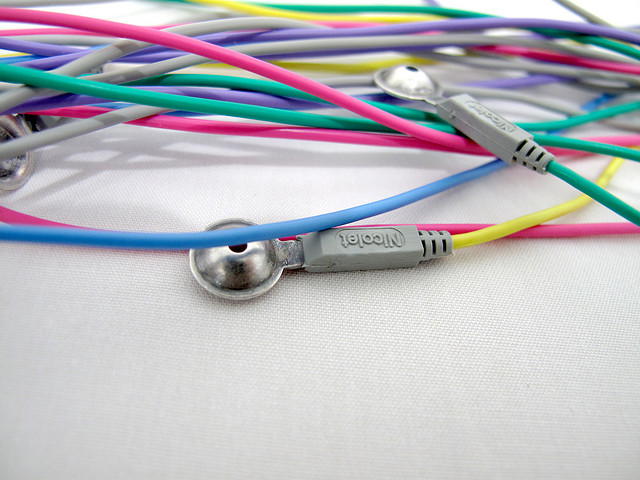
Harvard Researchers Say Electrical Acupuncture Works Well as a Treatment for Opiate Addiction
A study on electrical acupuncture demonstrates its possibilities as a form of opiate addiction treatment.
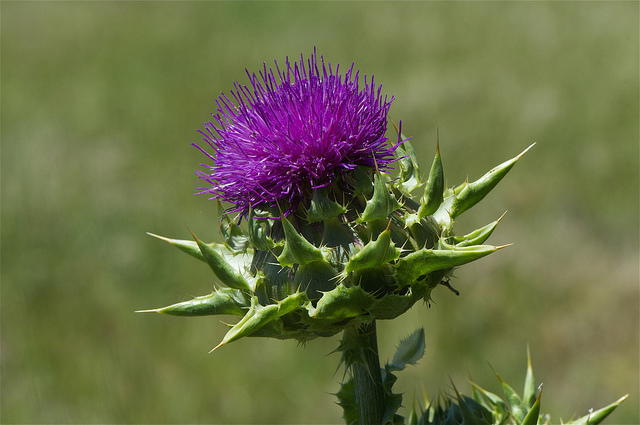
Considering Milk Thistle for Alcoholic Liver Disease – an Overview and Review of the Evidence
If you have alcoholic liver disease should you be taking milk thistle? The research evidence is inconclusive, but a number of studies show real benefits and no studies show significant harms. Read on to learn more about this potentially life-saving herbal medicine.
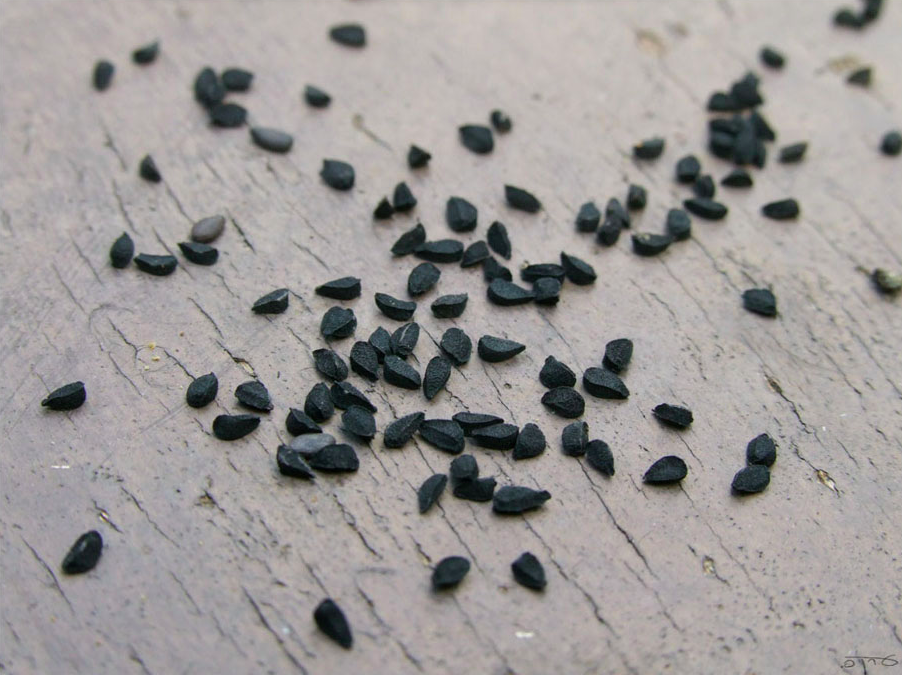
Nigella Sativa (Black Seed) a Natural Opiate Withdrawal Cure?
Used for thousands of years as a traditional medicine, nigella sativa is a safe and effective complementary medicine that treats everything from cancer, to arthritis - and possibly opiate withdrawal. Learn more about the benefits (and risks) of this affordable and natural home-remedy for opiate withdrawal.

Diagnosing Mental Health Problems - Why You Need to Start with a Medical Checkup
Both physical and mental health problems can cause symptoms like: feeling tired, not wanting to get out of bed, not enough energy to go do “fun” things, sadness, feeling “hyped-up,” unable to calm down, worrying about everything all at once, too much energy to settle down, not being able to sleep, constant arguing, constant fussing, constant irritability...