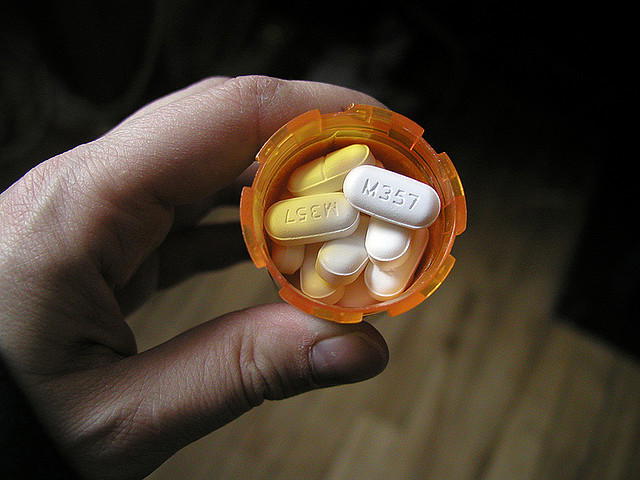
Study Says Suboxone Works Well for Prescription Opiate Abusers – But Discontinuation of Suboxone Use Causes Relapse Rates to Skyrocket
The results from the first large-scale study of Suboxone treatment for prescription opiate abusers are in – the medication works very well while you use it, but once you taper off Suboxone, relapse rates get very high.

There are about 20 times as many prescription opiate abusers in America today as there are heroin abusers – yet the overwhelming majority of research data on opiate addiction treatment is based on the treatment of heroin addicts, mostly in methadone clinics.
To set about remedying this gross imbalance, in 2007, researchers at Harvard Medical School and McLean Hospital initiated a large NIDA funded clinical study on doctor’s office based treatment of opiate addiction using Suboxone.
To evaluate the effectiveness of Suboxone as an office based treatment for prescription opiate addiction, 600 treatment seeking prescription opiate addicted study subjects from 10 locations around the country received a 12 week course of Suboxone, some counseling on abstinence and linkages to local self help groups. About half of these subjects also received substance abuse or mental health counseling.
And the results are just now in…they found that:
- 49% of patients reduced their use of other opiates during the 12 week course of Suboxone treatment
- Those study subjects who received concurrent substance abuse or mental health counseling did not have better outcomes than those who received no such counseling
- After the Suboxone was discontinued at 12 weeks, study subjects began having high rates of relapse. The longer a person was off Suboxone the more likely they were to relapse. Eventually, just 8.9% of the study subjects maintained opiate abstinence
Commenting on the study, NIDA director Nora D. Volkow M.D. talked about the positive and negative implications of the results, saying “The study suggests that patients addicted to prescription opioid painkillers can be effectively treated in primary care settings using Suboxone. However, once the medication was discontinued, patients had a high rate of relapse — so, more research is needed to determine how to sustain recovery among patients addicted to opioid medications.”
More like this

Military Insurance to Cover Long Term Methadone and Suboxone Therapy
Defense Department to reverse an insurance coverage ban on long term methadone maintenance therapy for military personnel.
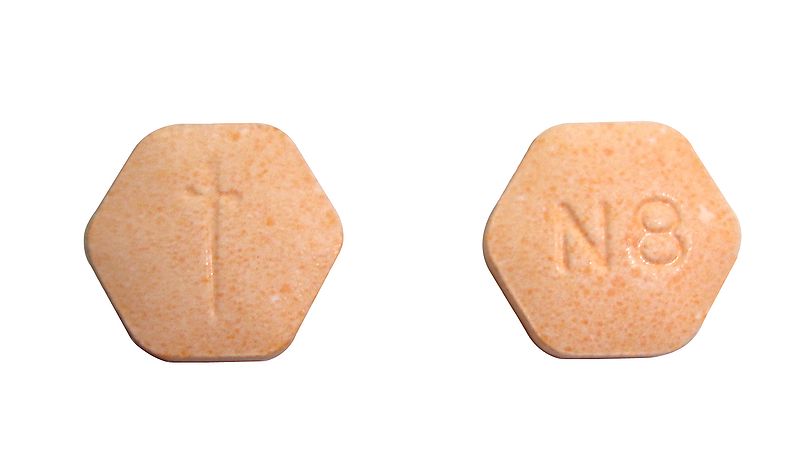
Getting High on Suboxone? The FDA Says It's Happening - Ex NIDA Director Blames Doctors
Users taking Suboxone to stave off the withdrawal pains of an opiate addiction aren't supposed to be able to abuse the medication. That was the idea anyway when the FDA approved the drug in 2002 for take-home use. Today's thriving street market for the drug has the FDA change its tune.

Pain Expert Says Doctors Are Too Scared to Prescribe Medications – People Living in Pain
An expert in pain management from the College of Pharmacy at Oregon State University says that millions of Americans are living in pain because doctors are afraid to prescribe sufficient pain killers.
4 Months of High-Dose Opiate Use Ups Erectile Dysfunction Risk by 50%
Here’s one very compelling reason to quit opiates sooner rather than later.
Microsoft Allows Illegal Online Pharmacies to Advertise on Bing
Microsoft is criticized for allowing illicit online pharmacies to advertise on its search engine pages.