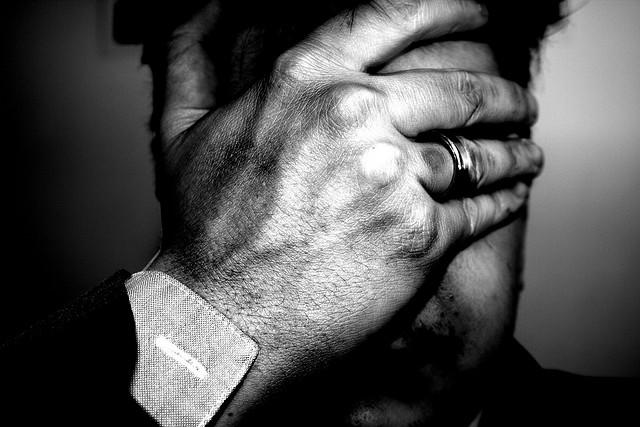
4 Months of High-Dose Opiate Use Ups Erectile Dysfunction Risk by 50%
Here’s one very compelling reason to quit opiates sooner rather than later.

Need a good reason to seek treatment for an opiate addiction?
Well you might find the inspiration you’ve been looking for in a new study out of the Kaiser Center for Health Research that links just three to four months of high dose opiate use with a significantly increased likelihood of erectile dysfunction…50% higher!!!
The Study
The researchers examined the medical records of 11 327 men with back pain who were enrolled with Kaiser Permanente in Portland Oregon. Many of these men received prescriptions for opiates to control their pain.
The study looked to investigate:
- Did getting prescribed opiates increase a man’s likelihood to request erectile dysfunction (ED) medication, such as sildenafil, tadalafil or testosterone replacement within 6 months?
- What factors influenced an increased likelihood to require ED medication?
The Results
Over a 12 month time period around seeing a doctor for back pain
- 6.7% of men not prescribed opiates received a prescription for an ED medication
- 12.5% of men prescribed low dose opiates for 120 days or longer (or 90 days or longer with 10 or more prescription refills) received a prescription for an ED medication
- 19.3% of men on higher doses of opiates (120 morphine equivalents or greater per day) for 120 days or longer (or 90 days or longer with 10 or more prescription refills) received a prescription for an ED medication
- Having depression and taking sedative hypnotics, like benzodiazepines, also increased a man’s likelihood of requiring an ED medication
- Surprisingly, neither obesity nor smoking were associated with an increased likelihood to require an ED medication
Commentary
The study authors recommend that primary care physicians weigh the risks of sexual dysfunction when making prescribing decisions and that patients receive information about these sexual risks and about possible alternative therapies, such as cognitive behavioral therapy and physiotherapy exercises.
Opiates are known to decrease testosterone levels. The study authors suggest that this is the most probable explanation for their negative influence on erectile functioning.
More like this

Pain Expert Says Doctors Are Too Scared to Prescribe Medications – People Living in Pain
An expert in pain management from the College of Pharmacy at Oregon State University says that millions of Americans are living in pain because doctors are afraid to prescribe sufficient pain killers.
People Prescribed High Doses of Opiates are 9 Times More Likely to OD
Research published in the Annals of Internal Medicine shows a clear link between the dosage of opiates prescribed and fatal overdose risk (in 2006, 14 000 Americans died from a prescription opiate overdose and roughly 100 000 had a non fatal overdose.)

44% of US Doctors Say Fear of a DEA Investigation Influences Their Handling of Pain Patients
The DEA is scaring doctors, and they want to broaden their influence over the way doctors prescribe medications.
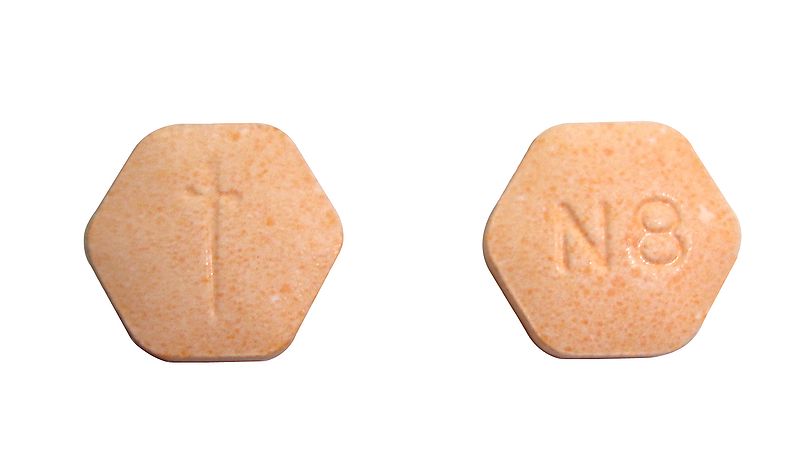
Getting High on Suboxone? The FDA Says It's Happening - Ex NIDA Director Blames Doctors
Users taking Suboxone to stave off the withdrawal pains of an opiate addiction aren't supposed to be able to abuse the medication. That was the idea anyway when the FDA approved the drug in 2002 for take-home use. Today's thriving street market for the drug has the FDA change its tune.
Study Says Suboxone Works Well for Prescription Opiate Abusers – But Discontinuation of Suboxone Use Causes Relapse Rates to Skyrocket
The results from the first large-scale study of Suboxone treatment for prescription opiate abusers are in – the medication works very well while you use it, but once you taper off Suboxone, relapse rates get very high.