Researchers Say that More than Half of Adults Will Experience Mental Illness before the Age of 32
Mental health researchers who followed a pool of subjects from infancy to the age of 32, say that prevalence rates for alcoholism, depression and anxiety may be much higher than commonly believed - finding incidences of depression in 41% of subjects, anxiety in about half and alcoholism in a third.

Most research studies that aim to discover mental health condition prevalence rates operate through methods that involve questioning adults about their experiences in the past, sometimes, the distant past.
An adult in her 40s might be asked to report if she had ever experienced persistent sadness that lasted for more than three weeks, since the age of 18, for example.
Might people under report the true occurrence rate? Could people “forget” about the bad times?
A collaboration of researchers out of New Zealand, America and Britain say…maybe. These researchers took a different approach, studying a pool of 1000 subjects from birth to the age of 32 – and in doing so, came up with some very different prevalence rates.
Under this longitudinal approach, the researchers interviewed subjects periodically throughout the 32 year period, asking about symptoms that would indicate depression, anxiety or substance abuse.
The differences were surprising, using the longitudinal approach, the researchers came up with prevalence rates that almost double those found using regressive questioning methods!
- The US National Comorbidy Survey (a retrospective study) found that between the ages of 18 and 32, 18% of Americans experience depression, 25% to 33% experience clinical anxiety and between 6% and 17% experience alcoholism.
- Using a longitudinal approach, researchers found that over that same time period (between the ages of 18 and 32) 41% experience depression, 50% experience anxiety and about 33% experience alcoholism.
The full research results can be seen in the journal, Psychological Science.
More like this

Teen Stress Linked to Adult Mental Illnesses like Major Depression and Schizophrenia
For people already predisposed to mental illness (people with mental illness in the immediate family, for example) experiencing stress during adolescence likely increases the risk of experiencing mental illness as an adult.

Air Pollution – Smoggy Skies Linked to Depression and Cognitive Declines
Researchers in Ohio say it’s not only our lungs that suffer as urban skies grow hazier – Intelligence and happiness are also at risk.
500% Increase in Student Mental Illness over Last 70 Years
College students in 1938 rarely battled the depression, anxiety and other mental health conditions that their peers from today now struggle with.
Got the Blues…How About the Greys? Depressed People Say Shades of Grey Better Describes Their Moods
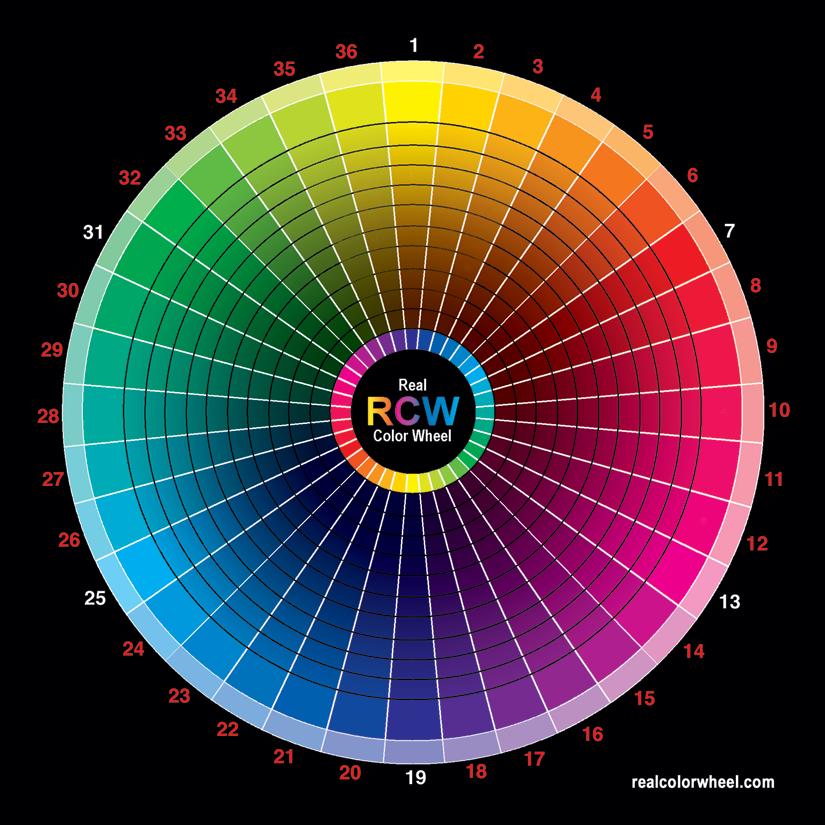
When asked to select a color from a color wheel that best describes the way they feel, people with anxiety and with depression tend to choose a shade of grey.

Men More Prone to Substance Abuse – Women More Prone to Depression or Anxiety
Researchers at The University of Minnesota say that men and women are affected differently by mental illness, with women more likely to succumb to anxiety or depression and men more likely to develop substance abuse or antisocial disorders