Got the Blues…How About the Greys? Depressed People Say Shades of Grey Better Describes Their Moods
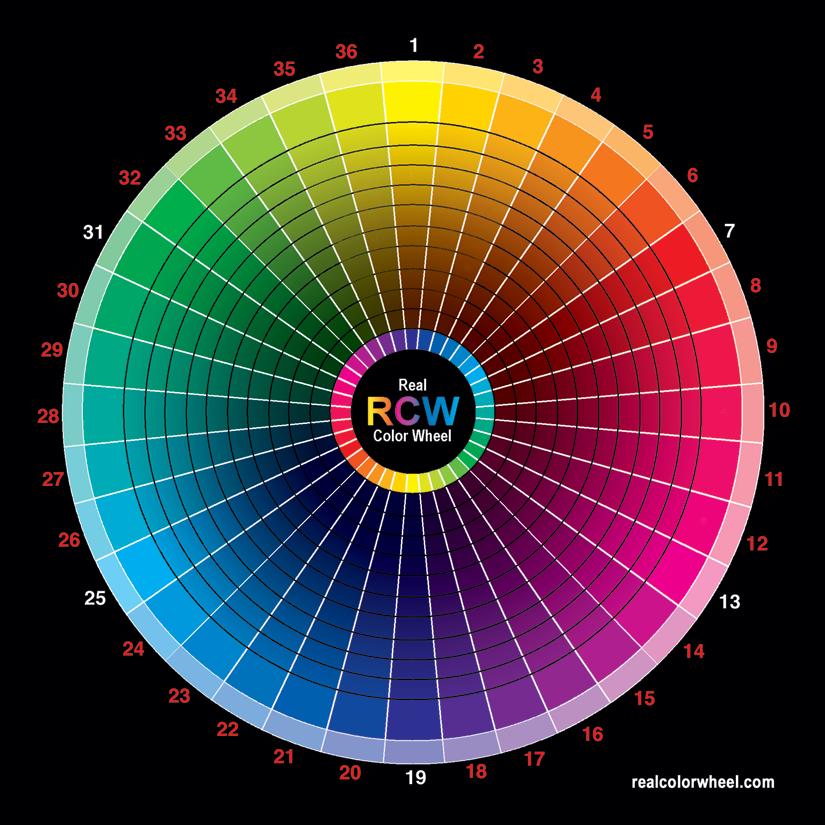
When asked to select a color from a color wheel that best describes the way they feel, people with anxiety and with depression tend to choose a shade of grey.

Researchers at the University of Manchester and the University Hospital South Manchester wanted to investigate ‘the blues’ and find out how a little more about how color relates to mood and mental illness – to investigate whether there is in fact any truth to the expression ‘getting the blues’.
They used a color chart called the Manchester Color Wheel, which can be used to match emotional states to a selection of color; and they compared how healthy (without anxiety or depression) control subjects related to the color wheel with how anxious and depressed subjects related to it.
All subjects were asked to select:
- The color they liked best
- The one they were most drawn to
- The color that best represented the way they were feeling
The Results:
- Both healthy and depressed or anxious subjects preferred shades of blue as the most liked and shades of yellow as the color that they were most drawn to – but while healthy subjects chose shades of yellow to describe present mood, depressed or anxious subjects choose shades of grey to describe their mood.
The researchers say that with further testing and research, the color wheel could become a tool used to gauge a person’s mood and the possible presence of a mood disorder, with a minimal requirement for spoken language.
The full research findings can be read in the journal, BMC Medical Research Methodology.
More like this

Air Pollution – Smoggy Skies Linked to Depression and Cognitive Declines
Researchers in Ohio say it’s not only our lungs that suffer as urban skies grow hazier – Intelligence and happiness are also at risk.
Researchers Say that More than Half of Adults Will Experience Mental Illness before the Age of 32
Mental health researchers who followed a pool of subjects from infancy to the age of 32, say that prevalence rates for alcoholism, depression and anxiety may be much higher than commonly believed - finding incidences of depression in 41% of subjects, anxiety in about half and alcoholism in a third.
500% Increase in Student Mental Illness over Last 70 Years
College students in 1938 rarely battled the depression, anxiety and other mental health conditions that their peers from today now struggle with.

Men More Prone to Substance Abuse – Women More Prone to Depression or Anxiety
Researchers at The University of Minnesota say that men and women are affected differently by mental illness, with women more likely to succumb to anxiety or depression and men more likely to develop substance abuse or antisocial disorders

Social Contagion: Living with a Person at Risk of Depression May Increase Your Risk As Well
At certain periods in life, living with a person who uses maladaptive thinking styles increases your risk of depression. Fortunately, the opposite is also true.