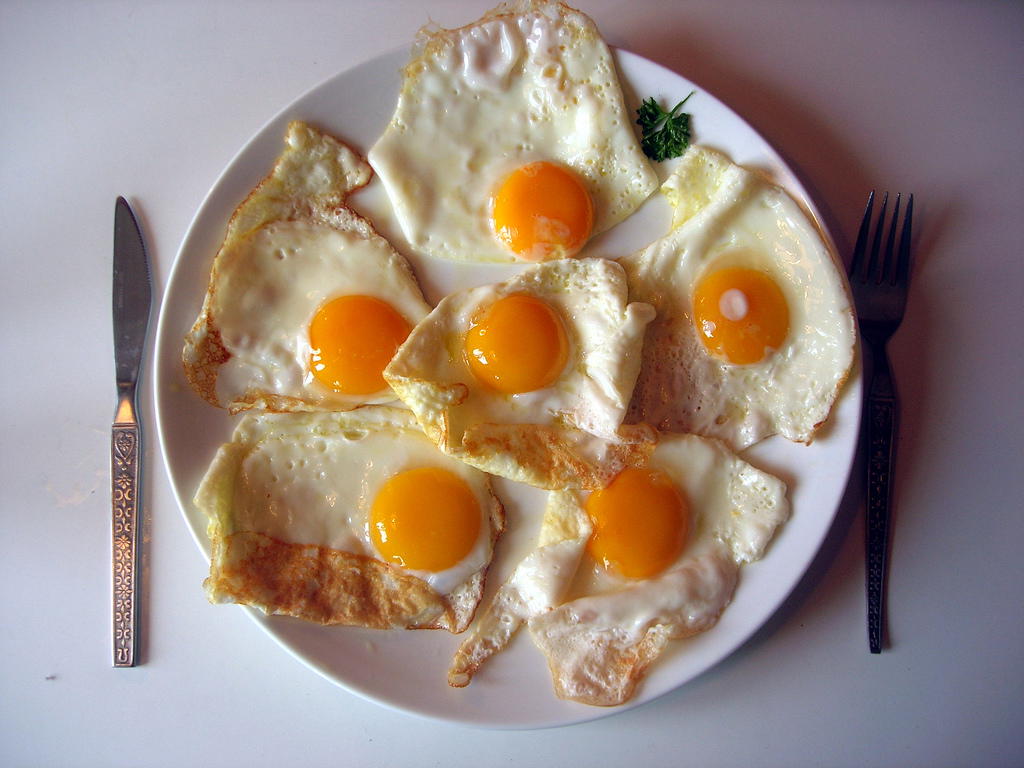
NIDA Says ‘Overwhelming’ Evidence Supports Idea of Food Addiction
Can’t stop eating? Maybe you’re addicted to food – researchers say that the brains of compulsive eaters respond to the thought of fatty/sugary foods like the brains of alcoholics respond to the thought of a drink.

While a decade ago people mocked the idea of food addiction, times have changed and what once seemed laughable now just seems most likely.
Commenting on the results of the 28 clinical research studies done on food addiction over the last year alone, Nora D Volkow, head of the National Institute on Drug Abuse (NIDA) exclaimed, "The data is so overwhelming the field has to accept it. We are finding tremendous overlaps between drugs in the brain and food in the brain."
Some food addiction research highlights from the past year include:
- A study out of The Scripps Research Institute in Jupiter Florida which found that rats given access to an hour a day of junk food would binge eat, even though they had an unlimited supply of nutritional food at all times. When their brains were examined, they showed activity patterns identical to those seen in escalating cocaine use.
- University of Texas researchers took MRI scans of women drinking a milkshake and they observed a pleasure response in the brain. They repeated the MRI scans 6 months later and they found that women who had gained weight during that time showed a reduced pleasure response to the same milkshake – this blunted reward system of chronic overeating is identical to the blunted reward systems seen in chronic drug users.
- Princeton University researchers found that rats given daily access to a 10% sugar solution (similar to the sugar content of soft drinks) became addicted to the drinks, greatly increased their consumption over time and demonstrated withdrawal symptoms when they couldn’t get the sugar solution.
- Yale University researchers found that showing people with ‘addictive’ eating habits a picture of a milkshake caused a similar neural response as is seen when alcoholics anticipate having a drink.
More like this
Scientists Explain Why Alcohol Causes Embarrassing Behaviors
Researchers at the University of Missouri say they know why we’re more likely to do really dumb things when drunk – it’s not that we don’t realize that we’re screwing up, it’s just that we just lose the ability to care very much about the mistakes we know we’re making.

Heavier Drinkers Have Less Neural Response to Risk Taking
Researchers at Yale University School of Medicine say that compared to moderate drinkers, heavier drinkers show less activation in areas of the brain which modulate risk management.

Researchers Say Indoor Tanning and Addiction Activate Same Parts of the Brain
For habitual indoor tanners, settling down for a session of intense UV light activates the same pleasure areas of the brain that amp up after the use of alcohol or drugs or the consumption of high fat or sugar foods.

Half Million American Teens Have an Eating Disorder
Researchers at the National Institute of Mental Health have just released the data on the largest and most representative study ever completed on teen eating disorder prevalence. What they found? – More than half a million American teens suffer from an eating disorder and more than half of these kids also live at least one other mental illness.
Obesity Researchers Say Neurobiology, Not Will-Power, the Secret to Weight Control
Researchers at Rush University Medical Center say they’ve figured out how to help people lose weight – and that typical forms of obesity counseling; which involve helping obese people learn strategies overcome cravings to eat high calories foods, just don’t work.