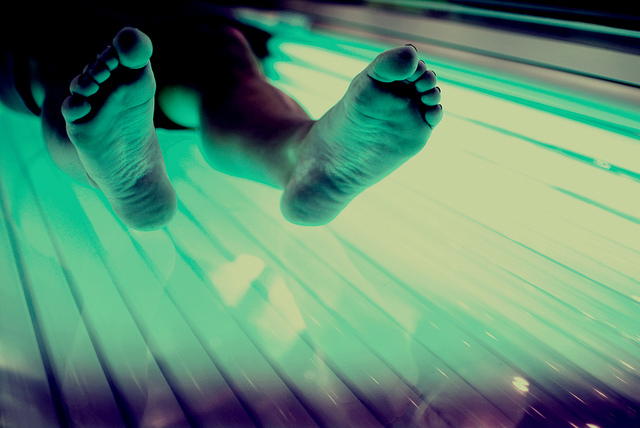
Researchers Say Indoor Tanning and Addiction Activate Same Parts of the Brain
For habitual indoor tanners, settling down for a session of intense UV light activates the same pleasure areas of the brain that amp up after the use of alcohol or drugs or the consumption of high fat or sugar foods.

Researchers have long suspected that people who indoor tan on a regular basis could be at risk of some sort of addiction - after all, continuing to engage in an activity that you know does you harm is one of the hallmark signs of addiction – and some new research out of UT Southwestern Medical Center seems to back up the tanning addiction hypothesis.
The research team recruited study subjects who visited tanning salons three or more times per week and then observed what was going on in the brain during a tanning session. They found that:
- During a real tanning session, parts of the brain (like the dorsal striatum and the left anterior insula) that are typically activated during the consumption of drugs or alcohol were also very activated by real tanning sessions
- When study subjects unknowingly had indoor tanning sessions with no UV light (only light from other spectrums) there was much less activation in these same parts of the brain.
Lead study author Dr. Bryon Adinoff says that the results indicate that it’s the UV light in tanning that people find so reinforcing and that the study adds weight to the hypothesis that indoor tanning may be, for some, an addictive behavior.
Frequent indoor tanning has been found to increase the risk of melanoma by about 75%. About 30 million Americans use indoor tanning in any given year, with about a million Americans heading to the tanning salon on any given day.
Dr. Adinoff says that the way tanning can make people feel helps to explain why many people persist in the activity despite knowing its substantial dangers, saying, “Using tanning beds has rewarding effects in the brain so people may feel compelled to persist in the behavior even though it's bad for them."
The full results of the study can be examined in the upcoming edition of Addiction Biology.
More like this
Scientists Explain Why Alcohol Causes Embarrassing Behaviors
Researchers at the University of Missouri say they know why we’re more likely to do really dumb things when drunk – it’s not that we don’t realize that we’re screwing up, it’s just that we just lose the ability to care very much about the mistakes we know we’re making.

Heavier Drinkers Have Less Neural Response to Risk Taking
Researchers at Yale University School of Medicine say that compared to moderate drinkers, heavier drinkers show less activation in areas of the brain which modulate risk management.
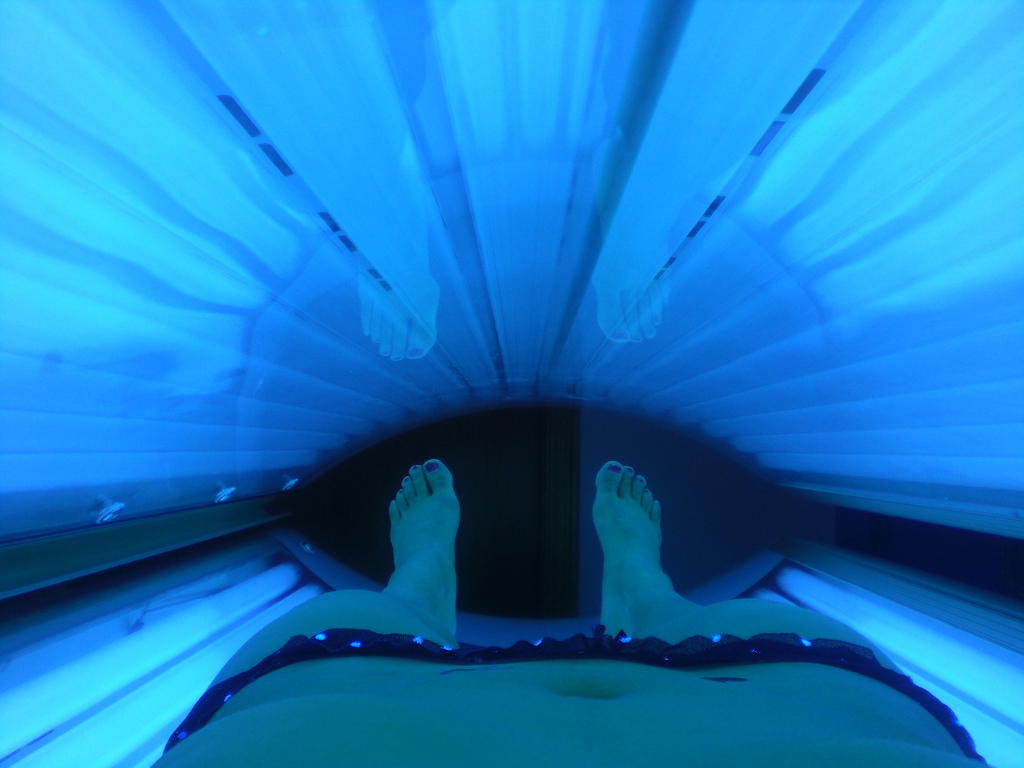
A Third of Indoor Tanners Are Addicted to the Sunbed
Researchers say that as many as 1 in 3 young people who use indoor tanning facilities could be addicted to tanning; and that those that show addictive symptoms are also far more likely to display symptoms of substance abuse and anxiety.

Obesity Researchers Say Neurobiology, Not Will-Power, the Secret to Weight Control
Researchers at Rush University Medical Center say they’ve figured out how to help people lose weight – and that typical forms of obesity counseling; which involve helping obese people learn strategies overcome cravings to eat high calories foods, just don’t work.
NIDA Says ‘Overwhelming’ Evidence Supports Idea of Food Addiction
Can’t stop eating? Maybe you’re addicted to food – researchers say that the brains of compulsive eaters respond to the thought of fatty/sugary foods like the brains of alcoholics respond to the thought of a drink.