USC Researchers Say Liver Mitochondria Play Key Role in Alcoholic Liver Diseases – Study Findings May Lead to Better Treatments
Reversing alcohol induced liver damage: Researchers gain a better understanding of how the metabolism of alcohol damages the liver, at the cellular level, and say their study findings may help doctors narrow their therapeutic focus.

Everyone knows that alcohol damages the liver…
But no one knows, at the cellular level, exactly how it wreaks this damage.
Fortunately, scientists at the Keck School of Medicine at USC say they’re one step closer to understanding this process and they hope their study findings may lead to more effective treatments to reverse alcohol induced liver damage.
Study: The Role of the Mitochondria
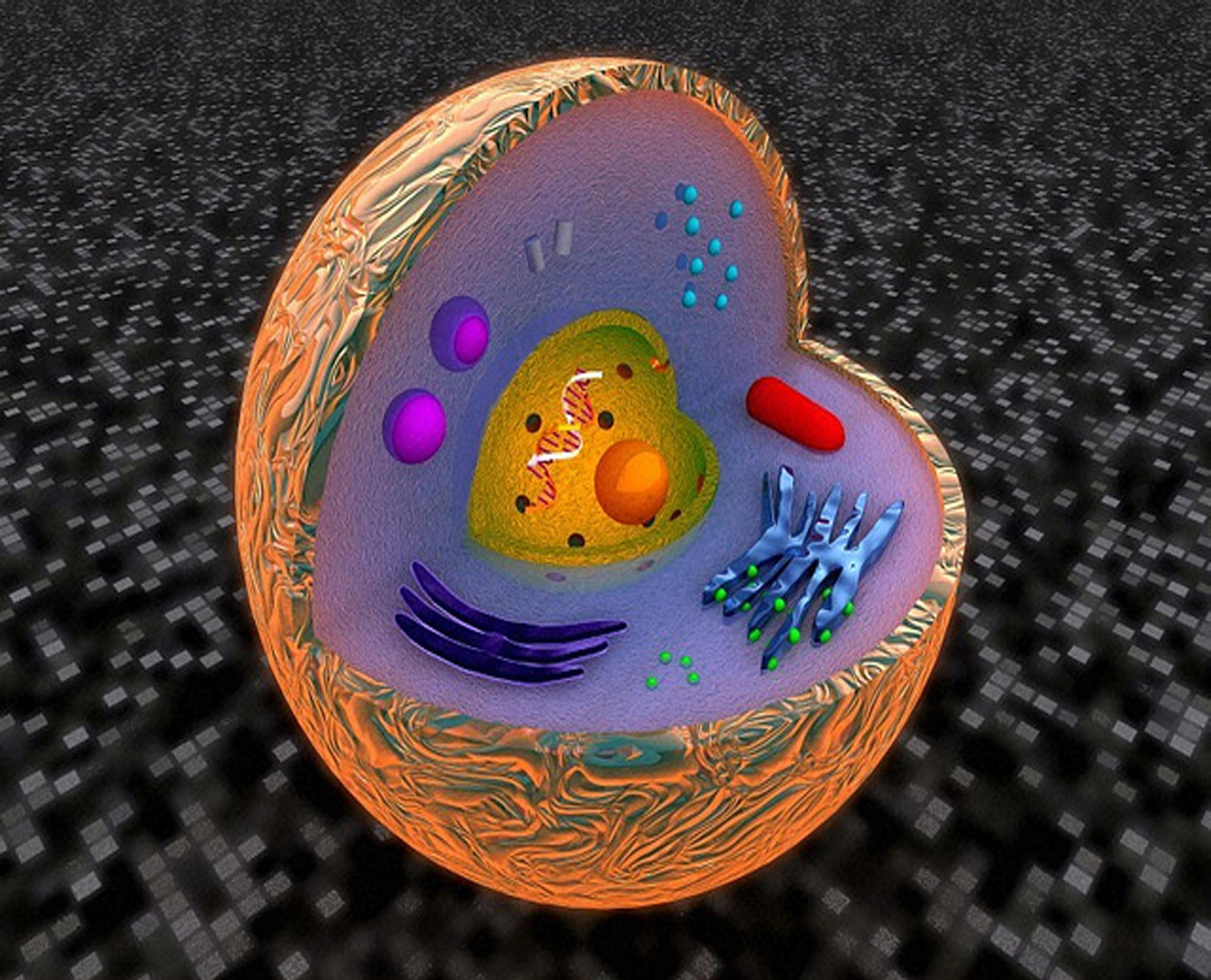
Mitochondria provide the energy necessary for liver cells to metabolize alcohol. Alcohol stresses the liver. Does chronic alcohol use change the functioning of the mitochondria in liver cells?
- Mitochondria generate energy for cellular processes and as they do this they metabolize oxygen.
- As they metabolize oxygen they create reactive oxygen (free radicals) that can do cellular damage.
In a clinical study, USC researchers fed mice alcohol for four weeks. As they did this they observed liver mitochondria to see what effect the alcohol would have on the metabolism of oxygen.
The Results
- Chronic alcohol use caused an increase in the number of liver cell mitochondria and an increase in mitochondrial oxygen consumption.
- Mice fed more alcohol showed greater increases
Commentary
Lead researcher Derick Han, Ph.D explained that mitochondrial plasticity helps the liver deal with a sudden stress load – such as a sudden increase in alcohol use.
With long term chronic alcohol abuse, however, the liver’s ability to increase mitochondrial numbers may lead to a considerable increase in free radical release and to cellular damage and liver diseases.
Read the full study findings in the Dec 7th edition of the Journal of Biological Chemistry.
More like this

It Is Never Too Late To Stop Drinking
Researchers from the UK’s University of Southampton are optimistic that alcoholic liver disease can be cured, even in the most severe cases. Since a quarter of people with alcoholism-related cirrhosis die before they get the chance to stop drinking the key is to keep the patient alive long enough for them to stop drinking, and to maximize their chances of continued abstinence with effective addiction treatment.

Even Brain Damaged Alcoholics Can Expect Neural Recovery with Prolonged Sobriety
A study which proves that it is never too late to quit drinking shows that even severely brain damaged alcoholics (who suffer balance and walking problems from their neural deficits) will recover much balance and motor function in time.

20 Common Things People Realize When They Quit Drinking Alcohol
Of all the culturally conditioned behaviors we’ve mindlessly adopted, alcoholism is one of the most curious.

Alcohol Abstinence Reverses Brain Damage – But Treatment Must Be 2 Weeks or Longer to Take Advantage of Healing
Your brain heals quickly once you stop drinking and after a couple of weeks people start to see big improvements. Researchers say alcohol treatment needs to be at least this long to take advantage of this return of function.

Working 50+ Hours Per Month Raises Alcohol Abuse Risk Dramatically
People who work 50 or more hours per week are as much as three times more likely to develop a problem with alcohol as those who are unemployed.