
Alcohol Abstinence Reverses Brain Damage – But Treatment Must Be 2 Weeks or Longer to Take Advantage of Healing
Your brain heals quickly once you stop drinking and after a couple of weeks people start to see big improvements. Researchers say alcohol treatment needs to be at least this long to take advantage of this return of function.

How does the brain heal from alcohol damage and what are the implications of brain healing for alcohol addiction treatment?
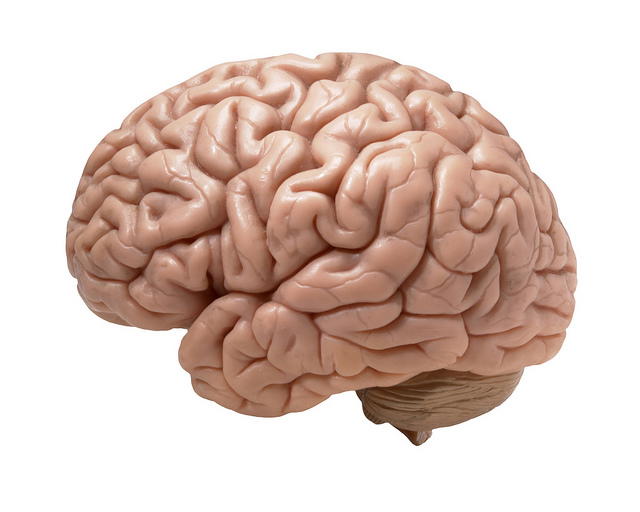
- Chronic alcohol abuse causes brain shrinkage and consequences like memory loss, increased impulsivity, motor coordination deficits and problems with attention and concentration.
- Irreversible brain-cell death causes some of the reduction, but some volume loss happens as a result of cell shrinkage - which is reversible with alcohol abstinence - and as brain volume increases with abstinence there is a concordant improvement in some brain functions.
Researchers at Stanford University wanted to know how long it takes for different brain functions to improve and whether varying rates of function return have any implications for things like minimum length of addiction treatment.
The Study
To find out they did brain scans 49 on alcohol dependent study subjects who were going through an inpatient addiction treatment program. Each subject was scanned within 24 hours of detoxification and again after 2 weeks of abstinence.
For comparison, 42 non alcoholic age and gender matched control subjects were also scanned over the same time periods.
The Results
- 2 weeks of alcohol abstinence resulted in a substantial improvement in brain volume
- The cerebellum, which is responsible for coordinating motor movements, showed an almost complete recovery after 2 weeks of abstinence. This likely explains how alcoholics can make such rapid improvements in movement and coordination with prolonged abstinence.
- Areas of the brain responsible for higher cognitive functions, like attention and memory, are slower to recover than areas responsible for motor movements
Implications
The study authors say that while many people pass through 3 day detoxification programs, 3 days does not give the brain enough time to recover and after 3 days people may not have the cognitive abilities necessary to maintain abstinence. They write, "Based on the current study and others, suggesting that a minimum set of cognitive abilities is necessary to conquer alcohol addiction, clinicians should consider recovery programs that provide support for the recovering addict for a minimum of two weeks.”
The full study results are published in Alcoholism: Clinical and Experimental
Research, Early View
More like this

Even Brain Damaged Alcoholics Can Expect Neural Recovery with Prolonged Sobriety
A study which proves that it is never too late to quit drinking shows that even severely brain damaged alcoholics (who suffer balance and walking problems from their neural deficits) will recover much balance and motor function in time.

20 Common Things People Realize When They Quit Drinking Alcohol
Of all the culturally conditioned behaviors we’ve mindlessly adopted, alcoholism is one of the most curious.

Working 50+ Hours Per Month Raises Alcohol Abuse Risk Dramatically
People who work 50 or more hours per week are as much as three times more likely to develop a problem with alcohol as those who are unemployed.
MRI Scans Can Identify Those More at Risk of Alcohol Relapse
Yale University researchers say that alcoholics who display abnormal activity in the prefrontal cortex during an MRI brain scan are as much as 8 times more likely to relapse.
Heavy Drinking Increases the Risks of 6 Types of Cancers, by as Much as 700%
Canadian researchers prove that heavy drinking increases your risk of liver and esophageal cancer by 700% and substantially increases your risks of stomach, colon, prostate and lung cancer.