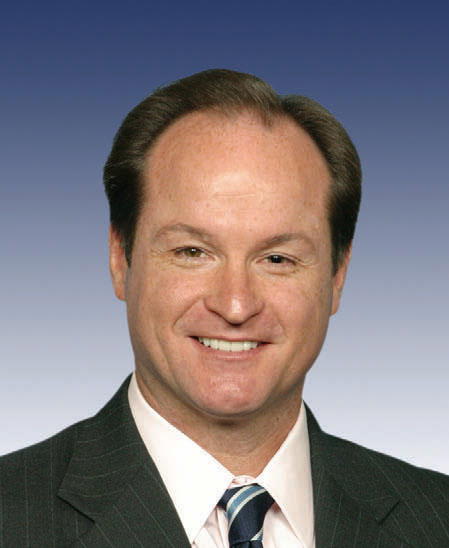
Rep. Sullivan Back in Washington after Alcoholism Treatment at Betty Ford
Congressman Sullivan has completed an alcohol treatment stay at The Betty Ford Center in California and is returning to Washington to resume his duties. He calls his public need for help "embarrassing" but addiction experts say that his high profile treatment stay will likely inspire others to get needed treatment.
Rep. John Sullivan, a Republican second term congressman out of Oklahoma has completed a stay at the Betty Ford Center in California and is returning to work – and he does plan to seek re-election in a year's time.
Sullivan told reporters that no single incident had forced him into treatment and that he had never been drunk at work or on the House floor, but that he had been drinking too much at home on the weekends, in front of his family, and that he decided he needed to get some help to stop.
Sullivan explained that although he had tried quitting without help many times, he had always returned to drinking.
He admits that his public admission of alcoholism and need for treatment was "embarrassing" but says that treatment, "turned out to be a wonderful experience" and "I don't have to keep it (alcoholism) a secret anymore."
Sullivan, who serves in a conservative Christian district, wrote to his supporters, saying, "My time at the Betty Ford Center gave me the opportunity to reflect on my life and afforded me a clearer perspective on what is truly important: God, family, friends and service to others," and said that his time in treatment had been a strengthening experience.
Substance abuse and mental health experts applaud Sullivan's decision to get help while in the public eye, and say that when high profile personalities admit to a mental illness or addiction and get treatment, it lessens the public stigma associated with these conditions and encourages others to get help.
Tulsa Mental Health Association Director, Mike Brose, commented on the effect Sullivan's getting help might have, saying, "Quite frankly, it's going to give people out there who need treatment for similar addictions the courage to seek treatment for themselves also."
Brose said that functional alcoholics, such as Sullivan, are not at all unusual, but that career success does not equate to control over drinking, saying, "anytime it's causing a problem for you or your family, it's a problem and it needs to be addressed."
Donna Woods Bauer, the director of Oklahoma Citizen Advocates for Recovery and Treatment Association echoed Brose's assessment of Sullivan's likely impact, saying, "This isn't a case of a bad person getting good. It's about a sick person getting well. It's about recovery as a reality in Oklahoma."
Sullivan says that he hopes he can serve as an inspiration to others needing help and promises to stay public with his ongoing recovery.
For now, he is eager to get back to work in Washington and stay focused on recovery, pledging, "I'm in a program now. I'm working hard. I do it every day, and I'm going to continue to do that."
More like this

Even Brain Damaged Alcoholics Can Expect Neural Recovery with Prolonged Sobriety
A study which proves that it is never too late to quit drinking shows that even severely brain damaged alcoholics (who suffer balance and walking problems from their neural deficits) will recover much balance and motor function in time.

20 Common Things People Realize When They Quit Drinking Alcohol
Of all the culturally conditioned behaviors we’ve mindlessly adopted, alcoholism is one of the most curious.

Alcohol Abstinence Reverses Brain Damage – But Treatment Must Be 2 Weeks or Longer to Take Advantage of Healing
Your brain heals quickly once you stop drinking and after a couple of weeks people start to see big improvements. Researchers say alcohol treatment needs to be at least this long to take advantage of this return of function.

Working 50+ Hours Per Month Raises Alcohol Abuse Risk Dramatically
People who work 50 or more hours per week are as much as three times more likely to develop a problem with alcohol as those who are unemployed.

Research Breakthrough Might End The Anxiety of Alcohol Withdrawal
Illinois researchers now understand on the molecular level how alcohol induces anxiety - and they think they might be able to stop it.