Research Breakthrough Might End The Anxiety of Alcohol Withdrawal
Illinois researchers now understand on the molecular level how alcohol induces anxiety - and they think they might be able to stop it.

Researchers have long known that those prone to high anxiety were at a greater risk to develop an alcohol addiction, and that the high levels of anxiety associated with trying to quit drinking made it tough for alcoholics to avoid relapse. Now they know why, at the molecular level, that this happens.
Researchers at the University of Illinois at Chicago College of Medicine, developed an animal model study to look at what's happening with anxiety and alcohol addiction, and they found that alcohol consumption actually causes changes in levels of a protein responsible for initiating the shape and growth of neurons in the brain, specifically, in the amygdala.
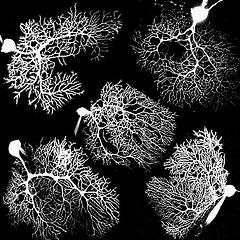
Neurons communicate with each other via extensions called dendritic spines. Neurons in the amygdala regulate emotion and anxiety, and alcohol use increases the production of a protein called Arc, which causes increased growth in the dendritic spines of neurons that regulate anxiety. This increased growth results in a temporary lessening of anxiety, and for someone with high normal levels of anxiety, this can feel pretty good, and lead to regular or even heavy alcohol use as a way of self medicating their anxiety problems. This is likely why people with a diagnosis of anxiety are at a greatly increased risk to develop an alcohol addiction.
Unfortunately, it doesn’t work for long. The brain develops a tolerance to the effects of alcohol on dendritic spine growth. After regular alcohol use, neurons only function at a "normal" level when stimulated by Arc after alcohol consumption. A heavy drinker needs to drink just to feel normal levels of anxiety, and without drinking, will start to feel higher anxiety. This anxiety tolerance propagates the development and maintenance of alcoholism.
After observing these modifications in levels of Arc and dendritic spine growth after alcohol use, researchers tested their hypothesis that Arc levels influence alcohol drinking behaviors in animal model studies. Using rats, researchers observed the quantities of alcohol rats drank at normal, after having Arc levels depleted and after having Arc levels restored. The rats with depleted Arc levels (similar to what a heavy drinker would have when not drinking) drank considerably more than rats with normal Arc levels, presumably as a way to self medicate anxiety.
The researchers hope that their breakthrough in the understanding of molecular processes that influence the development and continuation of alcoholism may lead to the development of effective new medications – medications that would remove much of the anxiety associated with quitting drinking.
The study can be read in full in the March 5th edition of The Journal of Neuroscience.
More like this

20 Common Things People Realize When They Quit Drinking Alcohol
Of all the culturally conditioned behaviors we’ve mindlessly adopted, alcoholism is one of the most curious.

Men More Prone to Substance Abuse – Women More Prone to Depression or Anxiety
Researchers at The University of Minnesota say that men and women are affected differently by mental illness, with women more likely to succumb to anxiety or depression and men more likely to develop substance abuse or antisocial disorders

Even Brain Damaged Alcoholics Can Expect Neural Recovery with Prolonged Sobriety
A study which proves that it is never too late to quit drinking shows that even severely brain damaged alcoholics (who suffer balance and walking problems from their neural deficits) will recover much balance and motor function in time.

Alcohol Abstinence Reverses Brain Damage – But Treatment Must Be 2 Weeks or Longer to Take Advantage of Healing
Your brain heals quickly once you stop drinking and after a couple of weeks people start to see big improvements. Researchers say alcohol treatment needs to be at least this long to take advantage of this return of function.
Acts of Kindness Reduce Social Anxiety and Increase Happiness
Researchers say that not only do random acts of kindness make us feel happier; they can also reduce the severity of social anxiety disorder symptoms.