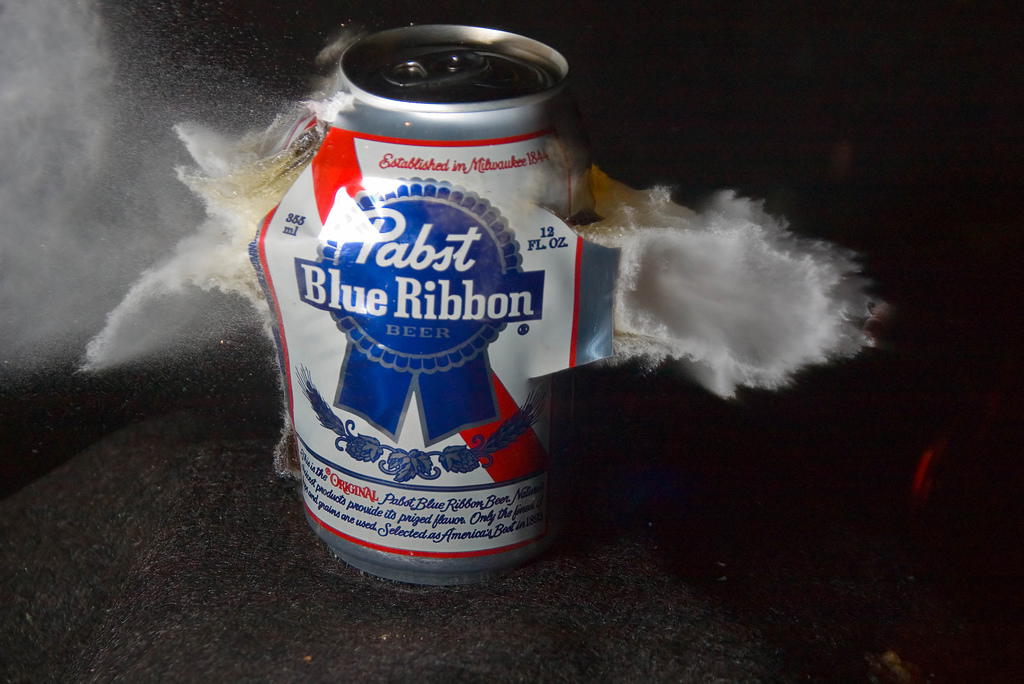
Nebraskan Sioux Tribe Sues Beer Makers for Aiding in the Smuggling of Alcohol into a Dry Community
Community elders say beer makers selling 4.9 million cans of beer to a town of 11 people right next to their reservation are complicit in an illegal smuggling operation into their dry community.

Eleven people live in Whiteclay Nebraska, yet the town boasts 4 beer and liquor stores which sell a combined 4.9 million cans of beer per year.
Adjacent to Whiteclay lies the alcoholism ravaged Pine Ridge Indian Reservation, home to 20 00 members of the Native American Sioux tribe.
Though community elders have banned the sale and possession of alcohol within the Reservation, substance abuse remains a huge problem: 85% of families have at least one alcoholic and the average life expectancy among members of is a shocking 48-52 years of age.
Since banning the sale of alcohol within the reservation has done little to remedy the problem, community elders have looked outward and have filed suit against the five largest beer companies in America; Anheuser-Busch, InBev, SABMiller, Molson Coors, MillerCoors and Pabst, as well as against the stores in Whiteclay which turn out such a massive quantity of alcohol each day.
The suit, which asks for $500 million in compensatory damages, alleges the intentional sale of alcohol to a ‘dry’ community, with manufacturers and retailers complicit in the illegal sale and smuggling of alcohol to the community.
Commenting on the actions of those selling the beer, Pine Ridge Reservation lawyer Tom White said, "You cannot sell 4.9 million 12oz [356ml] cans of beer and wash your hands like Pontius Pilate, and say we've got nothing to do with it being smuggled.”
He says that should the reservation win their suit they intend to use any payments to fund child rehabilitation efforts as well as community healthcare and social services.
More like this

Even Brain Damaged Alcoholics Can Expect Neural Recovery with Prolonged Sobriety
A study which proves that it is never too late to quit drinking shows that even severely brain damaged alcoholics (who suffer balance and walking problems from their neural deficits) will recover much balance and motor function in time.
20 Common Things People Realize When They Quit Drinking Alcohol
Of all the culturally conditioned behaviors we’ve mindlessly adopted, alcoholism is one of the most curious.

Alcohol Abstinence Reverses Brain Damage – But Treatment Must Be 2 Weeks or Longer to Take Advantage of Healing
Your brain heals quickly once you stop drinking and after a couple of weeks people start to see big improvements. Researchers say alcohol treatment needs to be at least this long to take advantage of this return of function.
Working 50+ Hours Per Month Raises Alcohol Abuse Risk Dramatically
People who work 50 or more hours per week are as much as three times more likely to develop a problem with alcohol as those who are unemployed.

Research Breakthrough Might End The Anxiety of Alcohol Withdrawal
Illinois researchers now understand on the molecular level how alcohol induces anxiety - and they think they might be able to stop it.