
APA Says Regular Marijuana Use Is 'Bad for Teen Brains'
Though many perceive marijuana to be relatively harmless, researchers from the APA urge those considering legalization to keep cannabis away from underage consumers.

“Regular marijuana use is bad for teen brains.”
That’s the warning-headline on the American Psychological Association’s (APA) website, summing up symposium discussions on the public health implications of marijuana legalization at their 122nd Annual Convention.
According to researchers presenting at the symposium, regular marijuana use in adolescence – which they define as once a week or more – can have significant and lasting consequences, such as
- Teens who smoke regularly are at risk of addiction, and those that become addicted to marijuana can lose an average of 6 I.Q. points by mid adulthood.
- Increased marijuana use in adolescence is associated with grey matter reductions (grey matter is associated with intelligence).
- Reduced attention and memory capacities.
Policy Suggestions
There is some evidence that legalization and more favorable social attitudes toward marijuana lead to an increase in adolescent marijuana use and a decrease in adolescent perception of the risks and dangers of marijuana use. Therefore, the psychologists urge policy makers considering marijuana legalization to also consider:
- What measures might help to reduce adolescent access to marijuana.
- Whether regulating THC potency might help (higher THC potency is linked to greater use-consequences).
- Increasing funding for adolescent addiction treatment.
Summing up her research, Krista Lisdahl, PhD, director of the brain imaging and neuropsychology lab at University of Wisconsin-Milwaukee, said, “It needs to be emphasized that regular cannabis use, which we consider once a week, is not safe and may result in addiction and neurocognitive damage, especially in youth.”
Marijuana is far more dangerous for teens with still-developing brains than it is for adults. To learn more about why it’s important to delay marijuana initiation to adulthood, read Help Teens Delay Marijuana Use to Avoid Cognitive, Academic and Mental Illness Risks.
Also, if someone you love uses marijuana but denies the existence of a problem, ask them to take this quick teen marijuana addiction test.
More like this

Scientists Prove Marijuana Causes Lasting Brain Changes
Chronic use of marijuana leads to lasting but reversible changes in the number of cannibanoid receptors in the brain.

Marijuana Protects "Stressed" Rats from Opiate Addiction
Rats that grow up in stressful environments get addicted to opiates more easily than rats that grow up under normal conditions. However, if "stressed" rats are given high doses of THC (the active ingredient in marijuana) during adolescence they become far less addicted to opiates given later in life.
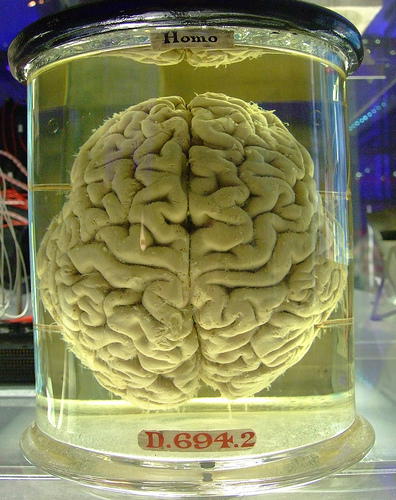
Heavy and Long-Term Marijuana Use Causes Brain Shrinkage
Australian researchers have found that heavy marijuana smoking men exhibited significant brain shrinkage in the hippocampus and the amygdala.
Heavy and Long-Term Marijuana Use Causes Brain Shrinkage
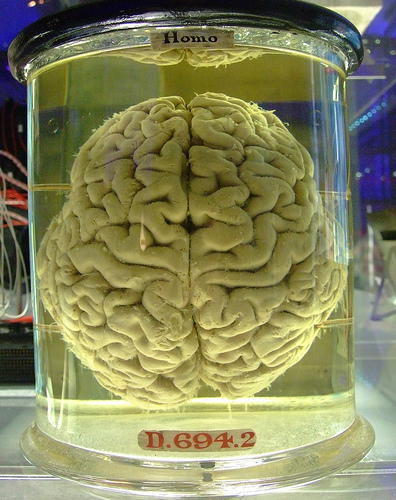
Australian researchers have found that heavy marijuana smokers exhibited significant brain shrinkage in the hippocampus and the amygdala.
Police Called During Home Invasion - On Arrival They Find Major Marijuana Growing Operation!
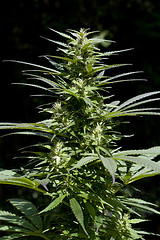
Ontario police made some easy arrests this week after they were summoned to the scene of a major marijuana growing operation.