What You Post on Your Facebook Page Reveals Your Risk of Problem Drinking
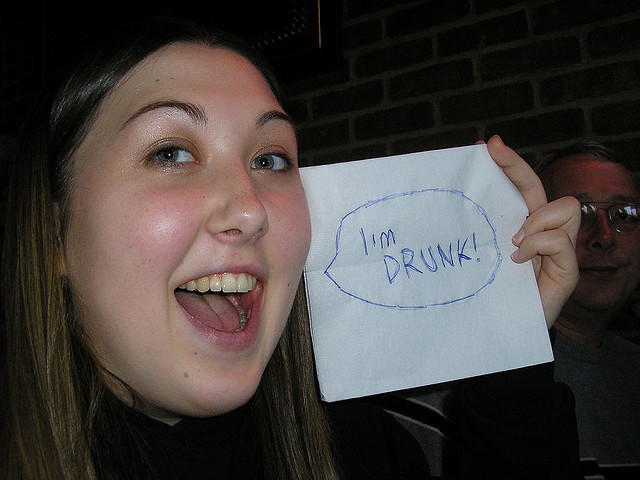
Researchers say that college students who posted pictures or references of intoxication on their facebook pages were far more likely to meet the criteria for problem drinking than students who did not.

Researchers at The University of Wisconsin – Madison took got a random sample of 224 college facebook users to participate in a study looking at how social media predicts alcohol abuse disorders.
The Experiment:
The researchers coded each study subject’s facebook page for references to alcohol use and to alcohol intoxication and each subject was placed into one of three groups:
- Those who made no reference to alcohol (64.3%)
- Those who made reference to alcohol but not to intoxication (19.6%)
- Those who made reference to alcohol intoxication (16.1%)
The researchers then asked each study subject to complete an AUDIT clinical scale test, which is a 10 question self report tool used to screen for problem drinking. A score of 8 out of 10 or greater indicates a likely problem with alcohol use.
The Results:
- 58.3% of those who referenced alcohol intoxication met the criteria for at-risk for problem drinking
- 37.8% of those who displayed any reference to alcohol on their profiles met the criteria for at-risk for problem drinking
- 22.6% of those in the no alcohol reference group met the criteria for problem drinking
- People in the alcohol intoxication group were 2 times more likely than those in the alcohol group and 6 times more likely than those in the no alcohol reference group to report an alcohol related injury within the past 12 months.
According to the researchers, although a substantial percentage of US college students report alcohol related harms, only a very small percentage of these students ever seek out available health services interventions. Based on the study results, they say that using social networking sites to search for people displaying references to alcohol intoxication may be an effective way to target an at risk group of students.
The full study results can be read online at Archives of Pediatrics and Adolescent Medicine
More like this

20 Common Things People Realize When They Quit Drinking Alcohol
Of all the culturally conditioned behaviors we’ve mindlessly adopted, alcoholism is one of the most curious.

Alcohol Abstinence Reverses Brain Damage – But Treatment Must Be 2 Weeks or Longer to Take Advantage of Healing
Your brain heals quickly once you stop drinking and after a couple of weeks people start to see big improvements. Researchers say alcohol treatment needs to be at least this long to take advantage of this return of function.

Intervention Text Messages Get Heavy Drinking Young Adults to Reduce Their Consumption
Researchers in Pennsylvania say that text messages may be an effective delivery system for alcohol abuse interventions to heavy drinking young adults. Heavy drinking young adults drink substantially less when they get periodic text messages containing strategies to reduce consumption.

Working 50+ Hours Per Month Raises Alcohol Abuse Risk Dramatically
People who work 50 or more hours per week are as much as three times more likely to develop a problem with alcohol as those who are unemployed.
Gastric Bypass Surgery Increases Likelihood of Developing an Alcohol Abuse Problem
Researchers at the University of Pittsburgh Medical Center say having gastric bypass surgery raises a person’s risk of developing an alcohol abuse problem by 50%.