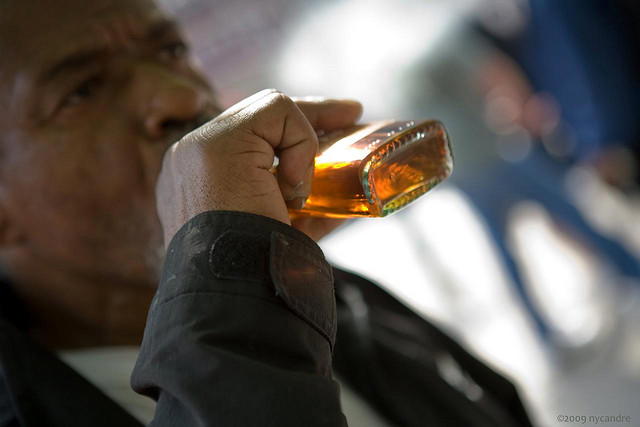
Gastric Bypass Surgery Increases Likelihood of Developing an Alcohol Abuse Problem
Researchers at the University of Pittsburgh Medical Center say having gastric bypass surgery raises a person’s risk of developing an alcohol abuse problem by 50%.

The Study
The research team followed 2000 patients scheduled for obesity surgery at 30 days pre-op and at one and two years post surgery, and asked patients to fill out questionnaires on alcohol habits at each interval.
The Results
- Roughly 25% of the patients had laparoscopic adjustable gastric banding surgery. Alcohol abuse rates among this population remained steady at about 5% pre and post surgery (this is lower than the roughly 8% abuse rate among the general population).
- 70% had gastric bypass surgery. Abuse rates among this population rose from 7% pre surgery to almost 11% two years post surgery – a more than 50% jump.
The Explanation
So why does gastric bypass cause such a significant increase in alcohol abuse problems?
Lead researcher Professor Mary King says it has to do with the way post surgery alcohol gets absorbed into the bloodstream, explaining, “if you give gastric bypass patients a standard amount of alcohol, they reach a higher peak alcohol level, they reach the level more quickly, and they take longer to return to a sober state – they’re experiencing alcohol differently after surgery.”
Knowing this, she said, they weren’t really surprised when they observed such a large post gastric bypass surgery increase in alcohol abuse problems among the study participants.
King says say that while gastric bypass is still going to be a valid option for a lot of people, that doctors need to do a better job educating people about some of the peripheral risks, such as the risk of increased drinking post surgery, saying “This is really something that needs to be a part of patients’ discussions with their surgeons…Patients need to hear information when it’s applicable to them. They need to be reminded at annual follow-up screenings as a part of clinical care, so referrals to counseling can be given, if needed.”
More like this

20 Common Things People Realize When They Quit Drinking Alcohol
Of all the culturally conditioned behaviors we’ve mindlessly adopted, alcoholism is one of the most curious.

Alcohol Abstinence Reverses Brain Damage – But Treatment Must Be 2 Weeks or Longer to Take Advantage of Healing
Your brain heals quickly once you stop drinking and after a couple of weeks people start to see big improvements. Researchers say alcohol treatment needs to be at least this long to take advantage of this return of function.

Intervention Text Messages Get Heavy Drinking Young Adults to Reduce Their Consumption
Researchers in Pennsylvania say that text messages may be an effective delivery system for alcohol abuse interventions to heavy drinking young adults. Heavy drinking young adults drink substantially less when they get periodic text messages containing strategies to reduce consumption.

Working 50+ Hours Per Month Raises Alcohol Abuse Risk Dramatically
People who work 50 or more hours per week are as much as three times more likely to develop a problem with alcohol as those who are unemployed.

Alcohol Linked to Accelerated Aging – It Quickens Cellular Biological Clock
Italian researchers say that chronic heavy drinking shortens telomeres, a part of our DNA that serves as a ‘biological clock’ for aging.