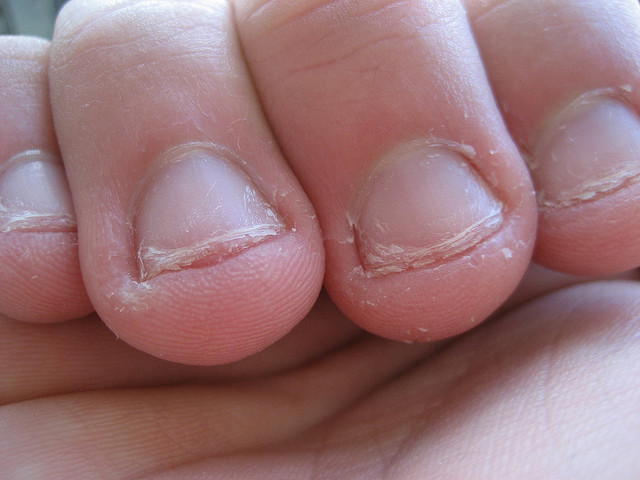
Onychophagia – Nail Biting
Are you one of millions that continue to bite your nails into adulthood? Find out more about nail biting and learn what you can do on your own to overcome you ‘habit’. Find out also about medications and psychotherapies that are also available for those that can’t break free on their own.

While many children and teens develop fingernail biting habits, it’s something that most people outgrow.
But for between 10% and 20% of adults, nail biting is a tough habit to shake, and it’s one that can cause embarrassment, physical pain and an increased risk of infections. Fortunately, if you’re determined to break free from a nasty habit, there are some easy self-help steps you can take that and that really work, and if you find that doing it on your own isn’t working and/or if you’ve got a very severe case, there are also psychotherapies and even medications that can make it easier.
In more rare severe cases, compulsive nail biting may become a mental health disorder, with similarities to trichotillomania (hair pulling) or skin picking disorder. Although at this time compulsive nail biting is not yet recognized as a specific disorder in the DSM-IVr, those that treat people with severe compulsive nail biting problems suggest that the condition likely falls somewhere in the obsessive compulsive disorders category umbrella.1
Why Make Such a Big Deal? – The Consequences of Nail Biting!
Nail biting does not result in any serious medical complications, on its own, though it is unsanitary and frequent hand to mouth contact does increase the risk of infections. Other consequences of nail biting can include
- Red, raw and painful fingertips
- Skin infections on the fingers
- Embarrassment
- Feelings of shame at being unable to control a habit
- Gum infections and other dental problems
How Many People Bite Their Nails, and Why Do They Do It?
Nail biting is a very common phenomenon.
- 28% to 33% of children aged 7 to 10 bite their nails
- 44% of teens do it
- 19% to 29% of young adults bite their fingernails
- Between 10% and 20% of fully grown men and women continue to bite their fingernails2
People bite their nails both consciously and unconsciously. Nail biting often occurs when you are:
- Stressed
- Anxious
- Bored
- Excited
Nail biting can be soothing in times of stress or anxiety and can offer some degree of stimulation when bored or tired. People with nail biting habits often report feeling a sense of needing to bite their nails and a sense of gratification during and immediately after the act.
Self Help and Treatment for Nail Biters
How Can I Learn to Stop Biting My Nails on My Own?
Some self help options for conquering an undesirable nail biting habit include:
- Get a manicure, or at least keep your nails immaculately cut and maintained. Not having anything obvious to pull at can help to reduce urges to bite, as can your desire to keep your already great looking nails in good shape.
- Wear nail polish – same reason as above
- Wear gloves or band aids on your fingers while at home, or at times when you have a tendency to bite (this can help you to break your habit)
- Keep something on hand to keep your fingers busy whenever you feel an urge to bite your nails, such as a squeeze toy
- If you bite your nails in times of stress, learn other types of relaxation exercises, like deep breathing techniques, and apply them whenever you get an urge to bite
- Apply commercially available solutions to your finger nails. These solutions are designed to help people break free from nail biting and once applied to a finger nail will adhere like nail polish and will make finger nails taste awful
- Keep a journal of your nail biting, so you’ll know exactly when and where you’re most likely to engage in your habit. Once you know what prompts you to bite, you can minimize your exposure to these types of temptations2
I Can’t Stop on My Own – Are There Any Effective Treatments out There?
If you find that going it alone isn’t working or if you’re really worried about your nail biting and the effect it has on your life, you can and should seek out professional help to get past it (especially since in some cases it can be a sign of OCD, which does certainly require treatment)
The most common types of psychotherapies offered for nail biters are typically types of cognitive behavioral therapy (CBT) such as habit reversal training or stimulus control therapy.
Habit Reversal Training – Teaches people to become more aware of their nail biting habits, and once always very aware of impulses to bite, to answer these impulses with a new, learned, healthier habit response.
Stimulus Control Therapy – In stimulus control therapy you are trained to become very attuned to the outside stimuli that trigger your impulses to bite your nails. Once you know what triggers your behaviors, you can take steps to minimize your exposure to these triggers, or be better prepared for such situations.
Medications – In some cases, people with severe compulsive nail biting habits may benefit from medications, typically of the SSRI class of anti depressants. Medications are rarely effective without accompanying therapy, however.2
References
References
- 1. Advanced Medical Journals: Onychophagia
- 2. Web MD, Nail Biting Overview (webmd.com, 2010)
Editor’s picks

Intermittent Explosive Disorder
If you have intermittent explosive disorder you experience uncontrollable bouts of rage that last 10 or 20 minutes, that often result in violence or destruction of property and which are way out of proportion to the situation or the provocation. Your disorder almost surely reduces your quality of life and it may cause you to lose your job or get expelled from school, have trouble maintaining friend or romantic relationships – or it may even land you in jail. Fortunately, for those that seek treatment, help is available and you can learn to get better.

N-acetylcysteine (NAC) – An Effective Supplement for Trichotillomania and Other Impulse Control Disorders?
Could an inexpensive over-the-counter amino acid supplement really help you best your hair-pulling, skin picking, nail biting or other form of impulse control disorder? Initial research suggests that it just might.

Compulsive Buying Disorder
People with compulsive buying disorder buy when they feel down and they buy to good – unfortunately, those good feelings are quickly replaced by guilt, remorse and by ever more financial problems and credit card debt. If you think you’re a ‘shopaholic’ you may well have a mental health disorder that’s not going away on its own.

Obsessive Compulsive Disorder (OCD)
The facts about OCD - What it is, making a diagnosis, understanding who is at risk and learning about effective treatment options.
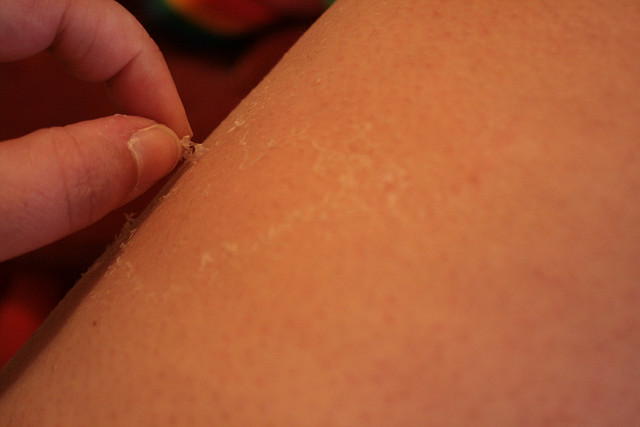
Skin Picking Disorder
If you pick at your skin long and hard enough to cause sores or lesions on a re-occurring basis and you feel distressed about your habit and/or your inability to control your picking habit, then you may have skin picking disorder (dermatillomania) a treatable type of impulse control disorder. Learn more about getting diagnosed, the causes and consequences and the treatments that are used to reduce the severity of symptoms.