Pharmaceutical Companies Using Children in Poorer Countries to Test Medications for Developed World
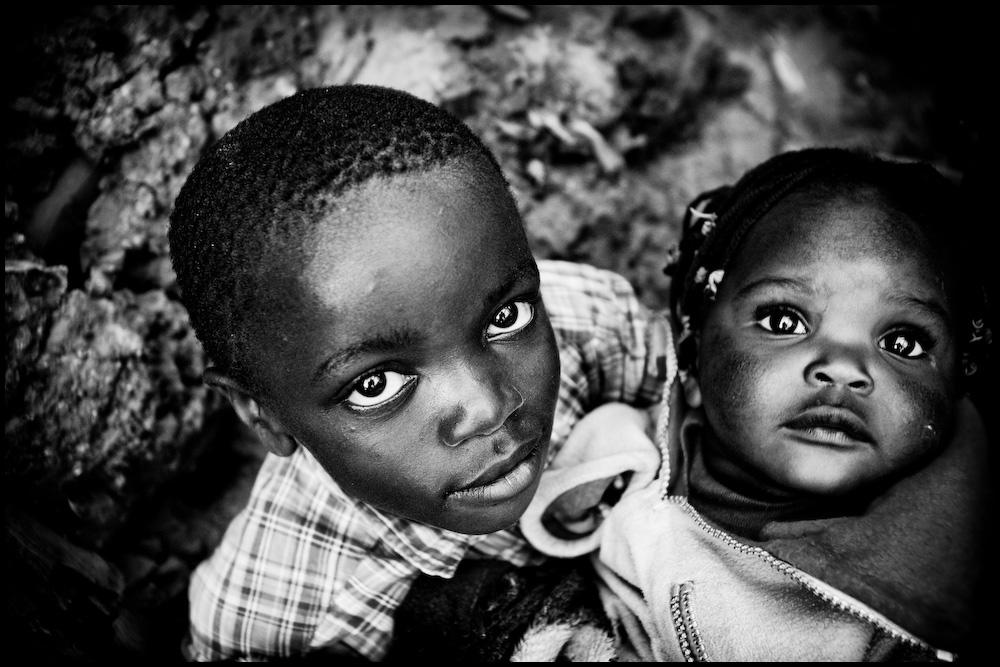
Drug companies are using children in developing world countries like Uganda and India to test experimental medications.

In 1997, US legislators passed a law called the Pediatric Exclusivity Provision. This law offered a financial incentive to drug companies to develop medications for children by giving an extra 6 months of patent protection on medications that would normally only be tested and available for adults, if these companies would also run trials to approve these medications for children.
Since the passing of this law, more than 150 drugs for children have received FDA approval, but Duke University medical researchers found that a third of published clinical trials performed under this provision involved children from poorer developing world countries.
Lead researcher Dr. Sara K. Pasquali of Duke University said that using children from poorer countries to test medications destined for children in developed world nations certainly raised some ethical issues, saying, "Oftentimes, access to a study may be the only access to medical care a family has. Once the testing is done, however, it's unclear if effective drugs will be marketed in the country in question, and whether they will be affordable.”
Mark Grayson, a spokesperson for the Pharmaceutical Research and Manufacturers of America says, however, that there’s nothing wrong with performing clinical trials outside of the US because the trials are conducted in the same way they would be in the US, saying, "All of our companies follow our principles on conducting clinical trials. No matter where we are we follow our principles.”
Although drug makers may follow established trials protocols when conducting testing outside of the US, some critics, like McMaster University Pharmacologist M. Nabeel Ghayur, say that the way things are done in some developing world countries make protocols like informed consent far less meaningful.
Ghayur, who has worked in drug development in Pakistan commented, saying, "Recruiting people is easy, getting informed consent is easy, getting approval is easy, paying the patients and paying the doctors is easy. The physicians and investigators have absolutely no idea about the seriousness of the situation….People actually have blind trust in their doctor in South Asia. They have no idea what drug development is, they have no idea what clinical trials are”
The full research results can be read in the journal, Pediatrics.
More like this

Thick, Soft and Gummy - Pharmaceutical Companies Hope to End Pain Pill Abuse with Gooey Pills
With an estimated 6 million people abusing pain pills daily and doctors hesitant to prescribe even to people with a legitimate need, pharmaceutical companies are soon to unveil new (and strange) abuse-free formulations.

It’s Hip to Be Sober
A mindful sober subculture is emerging, indicating that we’re seeking out deeper, more meaningful connections to others.

The Power of the Group? Spirituality without Religion Ups Mental Illness Risk
Researchers say that people who navigate spirituality without religion are more likely to have addiction and mental health problems.

Oregon Man Indicted on Manslaughter Charges After Friend Dies from Heroin Overdose
An Aloha Oregon man, who delayed getting his unresponsive housemate medical care so that authorities would not visit his drug filled house, has been indicted on manslaughter charges.
Must Have - Baby for Sale!?! Vancouver Police Rescue Infant Put up for Sale on Craigslist
A Canadian grandmother was shocked when she saw an internet ad for a "Baby for Sale". She called the police and police found the baby.