
Thick, Soft and Gummy - Pharmaceutical Companies Hope to End Pain Pill Abuse with Gooey Pills
With an estimated 6 million people abusing pain pills daily and doctors hesitant to prescribe even to people with a legitimate need, pharmaceutical companies are soon to unveil new (and strange) abuse-free formulations.

A lot of people with serious and chronic pain can’t get the drugs they need because even more people with or without serious and chronic pain abuse narcotic pain killers. Doctors are increasingly hesitant to prescribe appropriately to legitimate pain patients, and with an estimated 6 million Americans abusing prescription drugs at any one time - doctors are in an understandable quandary.
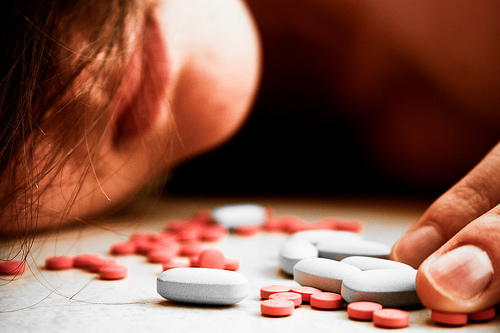
Prescription pain medications are abused by taking more than the recommended dosage, by exceeding the recommended dosage frequency or by taking the medication in ways other than specified. Abusers, for example, might crush and snort a medication intended for time released relief, experiencing all the potency at once - and a considerable high. More simply still, just chewing the tablets can accelerate absorption, and the intensity of the high.
In response to the abuse potential of narcotic type drugs, pharmaceutical companies are testing new formulations less easily manipulated for a quick high. Tablets with active ingredients entombed in a thick and viscous gel are one solution, which consultant Doctor Lynn Webster claims cannot be administered in any way other than their intended manner.
Other formulations in the works include the soft and gummy Remoxy, a test product for Oxycontin, and Embeda, which is a pill-form morphine containing a narcotic antagonist.
Embeda works as promised when patients consume the pill whole, as directed. Should a patient consume, in any way, a broken tablet; the narcotic antagonist gets released - eliminating the effects of the medication.
These new tablet formulations await final FDA approval, before an expected release to market next year.
While critics contend that addicts will find a way to get the high they crave, pain patients are hopeful that with increasing controls on pain med abuse, they will find it easier to get drugs in the quantities they say they need, to keep pain at bay.
More like this

Pain Expert Says Doctors Are Too Scared to Prescribe Medications – People Living in Pain
An expert in pain management from the College of Pharmacy at Oregon State University says that millions of Americans are living in pain because doctors are afraid to prescribe sufficient pain killers.
Coming Soon - Abuse Resistant OxyContin
OxyContin, a potent opiate and one of America’s most often abused prescription medications, may soon come to market in tamper resistant plastic coated tablets that are designed to prevent abuse.

Troops Consuming More and More Painkillers
Top US Army medical officials have raised concerns about possible pain killer abuse and addiction among troops insured in Iraq. Prescriptions for pain-relievers to injured US troops have surged from 30,000 a month to 50,000 since the Iraq war began.
Just how serious is OxyContin addiction? Pharmaceutical company fined over $630 million dollars for misleading the public on addiction risk
Since its introduction in 1995, the pain killer OxyContin has resulted in increasing patterns of abuse. It became one of the most powerful and most addictive street drugs and, for years, doctors prescribed the pain killer without knowing how addicting it really was. Hundreds of people have died as a direct result of their addiction to OxyContin.

44% of US Doctors Say Fear of a DEA Investigation Influences Their Handling of Pain Patients
The DEA is scaring doctors, and they want to broaden their influence over the way doctors prescribe medications.