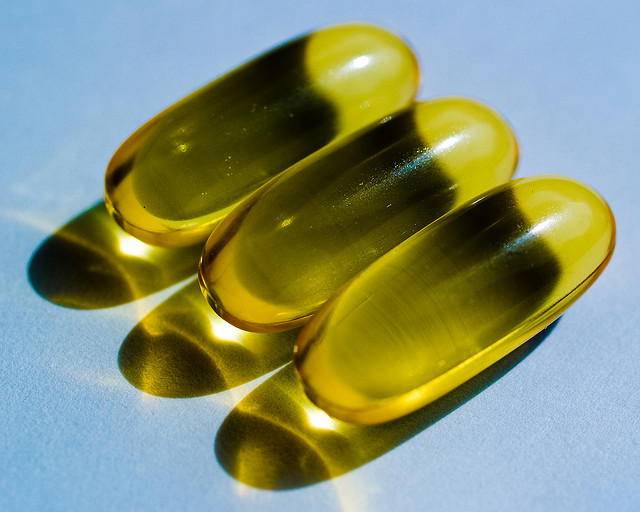
Low Omega 3 Levels a Greater Predictor of Military Suicide than Combat Trauma
US military study shows that low Omega 3 levels are linked to an increased risk of suicide.

The US military has been reeling under an unprecedented increase in their suicide rate, now nearly double that of the general population amongst a group that has traditionally had a very low suicide percentage.
Environmental causes, such as witnessing death in combat, obviously play a role in trauma linked suicide, but according to new research published in the Journal of Clinical Psychiatry this week, low levels of the docosahexaenoic acid (DHA) found in foods high in Omega 3s is an even greater predictor of suicidality.
The body does not make DHA. DHA is found in foods high in Omega 3s such as fatty fish.
Researchers at the National Institute on Alcohol Abuse and Alcoholism compared the suicide risk factors of 800 service men and women who had committed suicide between 2002 and 2008 with those of a comparative sample of 800 service men and women who had not committed suicide.
They found that:
- Soldiers with low levels of DHA were 62% more likely to have committed suicide
- Soldiers who had seen death in combat were 52% more likely to have committed suicide
- The sample of soldiers revealed overall lower than average levels of DHA amongst military personnel
The research team says that low cost interventions to increase levels of DHA in the military diet could go a long way towards protecting against suicide and other mental health problems. Backing up their position, they point to previous studies which have also shown the efficacy of Omega 3s for mental health improvements, writing that previous research has shown that a supplement of just 2 grams of Omega 3 per day reduces suicidal thinking by 45% among populations with histories of self harm.
More like this
Army Suicides Hit Record High in July
32 Army soldiers committed suicide in July, a new record high, besting the previous tragic mark of 31 suicide deaths last June.

Military Insurance to Cover Long Term Methadone and Suboxone Therapy
Defense Department to reverse an insurance coverage ban on long term methadone maintenance therapy for military personnel.
Soldiers Come Home – Beer Sales Shoot Up
Beer and liquor sales skyrocket in Alaska when soldiers return from overseas combat. The Army says it’s trying to help by teaching more responsible drinking.
Troops Consuming More and More Painkillers
Top US Army medical officials have raised concerns about possible pain killer abuse and addiction among troops insured in Iraq. Prescriptions for pain-relievers to injured US troops have surged from 30,000 a month to 50,000 since the Iraq war began.
From 2004-2009 U.S. Army Opiate Addiction Treatment Enrollment Rose by 500%
The number of soldiers enrolling in military opiate addiction treatment programs increased by 500% between 2004 and 2009.