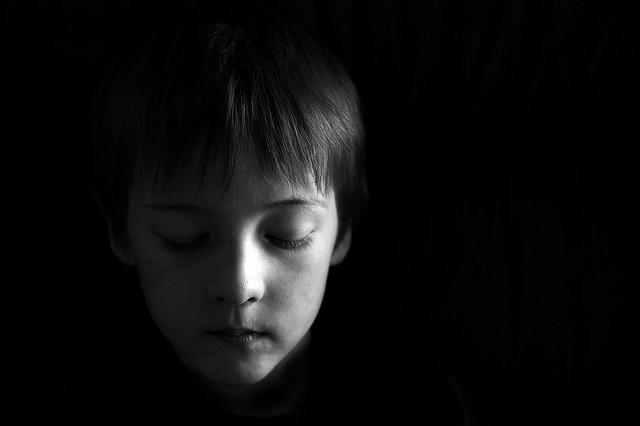
Children Who Feel Neglected or Controlled at 11 Are Twice as Likely to Experience Mental Illness by 15
Scottish researchers say that children who report feeling neglected or controlled by their parents at the age of 11 are twice as likely to experience mental illness by the age of 15.

The Study
Researchers at the University of Glasgow and the Medical Research Council took a look at data collected on 1700 11 year old Scottish children, and found that 3% of these children reported feeling neglected or controlled by their parents. The researchers then followed up with these 1700 kids at the age of 15.
The Results
The researchers found that:
- Feeling controlled or neglected by parents at 11 doubled a child’s risk to experience a mental illness by the age of 15
- Girls who felt controlled or neglected at 11 were 6 times more likely to experience depression by 15
Lead researcher, Dr. Helen Minnis commented on the study, saying, " It seems children with better perceived parental relationships have fewer psychiatric problems as teenagers… I hope the study will highlight the influence of neglect. We tend to lump neglect and abuse together, but I suspect that neglect is more important than we realize. It shows we should be listening to children more.”
Experts say the study’s results make intuitive sense. When asked to comment on the research, Scottish psychotherapist Edie Irwin says he’s not surprised by the findings of the study, affirming, "It makes sense that children who say home is not a nice place to be, that their parents don't listen to them or neglect them are more likely to have problems in later life."
The full research results can be read in the current edition of The Journal of Child Psychology and Psychiatry.
More like this

Social Contagion: Living with a Person at Risk of Depression May Increase Your Risk As Well
At certain periods in life, living with a person who uses maladaptive thinking styles increases your risk of depression. Fortunately, the opposite is also true.

Teen Stress Linked to Adult Mental Illnesses like Major Depression and Schizophrenia
For people already predisposed to mental illness (people with mental illness in the immediate family, for example) experiencing stress during adolescence likely increases the risk of experiencing mental illness as an adult.

The Link between Traumatic Brain Injuries (TBI) and Depression
Wondering what’s causing your depression? Have any concussions or other forms of brain injury in your past? Well, if you do it might explain the way you’re feeling, because having a brain injury, even a minor one, greatly increases your risks of depression – even years after the fact.

Scientists Discover Why Quitting Smoking Can Cause Temporary Depression
Canadian scientists say that very heavy smokers who quit smoking can experience a spike in an enzyme called MAO-A. MAO-A metabolizes serotonin and so too much MAO-A can result in too little serotonin and feelings of sadness and depression.

Telephone Therapy for Depression Almost as Good as in Person Counseling
Researchers at Brigham Young University say that receiving counseling over the phone seems almost as effective as in-person therapy for the treatment of depression.