Telephone Therapy for Depression Almost as Good as in Person Counseling
Researchers at Brigham Young University say that receiving counseling over the phone seems almost as effective as in-person therapy for the treatment of depression.

Brigham Young University researchers compared the effectiveness of telephone counseling for major depression with traditional, in person counseling – and they say that telephone counseling seems to work almost as well.
30 study subjects recently diagnosed with major depression agreed to try telephone therapy as an alternative to conventional office based in-person therapy. These subjects received as many as 8 phone counseling sessions with a therapist, with calls lasting between 21 and 52 minutes in duration. None of the subjects had taken anti depressants for at least 6 months preceding the study, but all subjects were free to seek additional therapy of any kind after the onset of the study therapy.
After 6 months:
- 42% of subjects said they were no longer depressed
- 69% reported feeling very satisfied with their phone based therapeutic experience
The researchers say that therapy offered in person has a ‘recovery’ rate after 6 months of about 50%, and so the 42% recovery rate seen in this study is reasonably similar.
Lead researcher Professor Diane Spangler says that since telephone based therapy seems to work about as well as in person counseling, that "Offering a phone or webcam option for psychotherapy does appear warranted from an efficacy point of view. It's more user-friendly - no commutes, more flexibility of place and time - and has no side-effects."
The full study results can be read in the June edition of Behavior Therapy.
More like this

Social Contagion: Living with a Person at Risk of Depression May Increase Your Risk As Well
At certain periods in life, living with a person who uses maladaptive thinking styles increases your risk of depression. Fortunately, the opposite is also true.

Researchers Say We Can Teach Depressed People How to Be Happy
Can teaching happiness help to reduce symptoms of depression? Researchers at Duke University Medical School and The University of California, Riverside say probably, and as an added bonus, learning to incorporate activities like counting your blessings or writing thank you notes into a daily routine gets happiness results fast, and doesn’t cost much at all.
Australian Researchers Say That Internet Therapy for Depression Works as Well as In-Person Counseling
An Australian randomized control study that evaluated internet based therapy for depression reveals that net-based counseling works about as well as in-person therapy.

Researchers Say Dietary Supplement May Help Cure Postpartum Depression
Canadian researchers at the Centre for Addiction and Mental Health (CAMH) in Toronto say they’ve figured out why some women succumb to postpartum depression after childbirth – and they say that they’re working on a dietary supplement that may well reduce the severity of the condition.
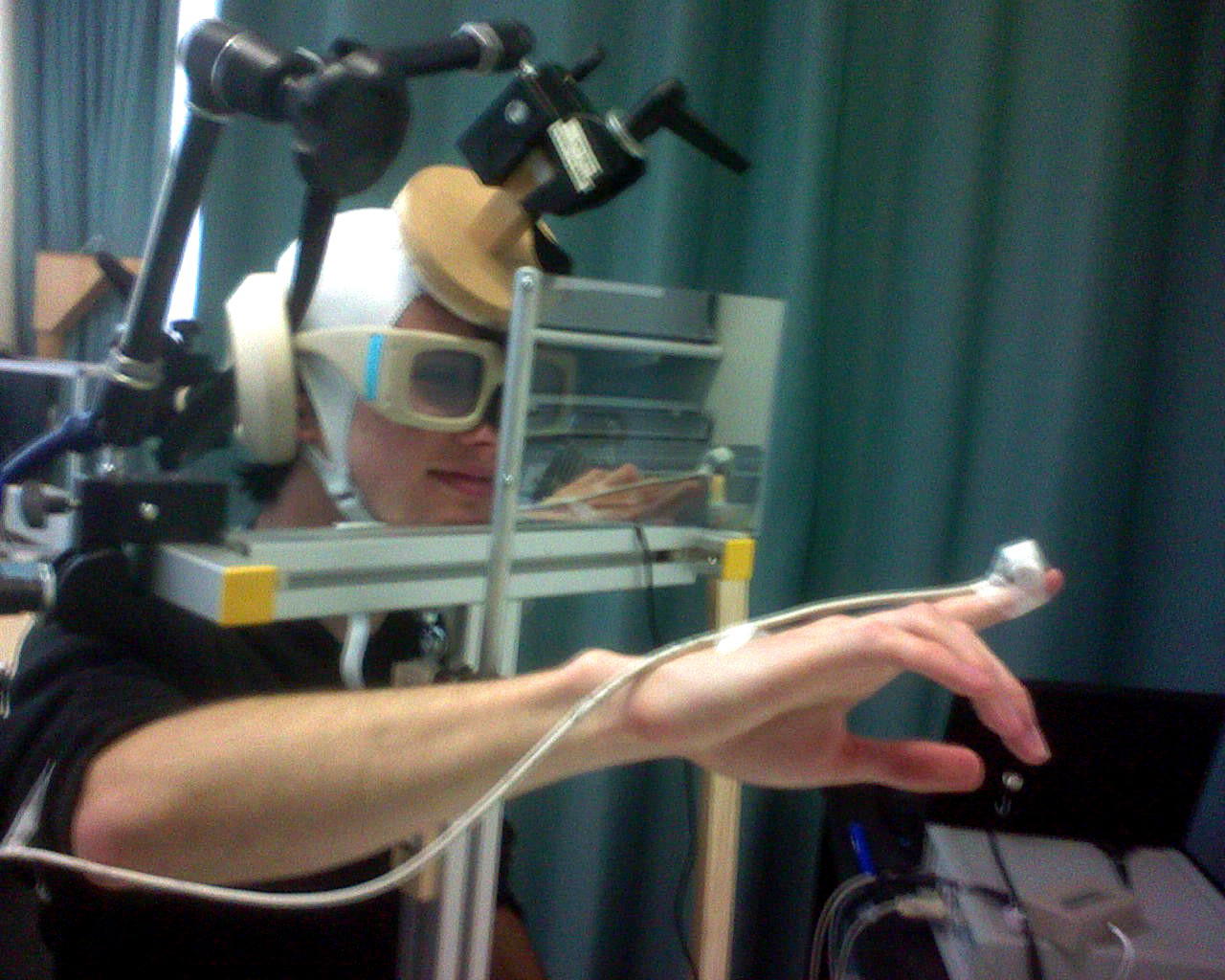
Magnetic Brain Stimulation Is Proven an Effective Therapy for Severe Depression
A new research study has proven that the magnetic brain stimulation does work for some people who have severe depression that does not respond to anti depressants.