
Internet Addiction - A Mental Health Condition?
Clinicians say it's real and it's prevalent, and some would like to see internet addiction added to American Psychiatry's official disorders text book.

Got a crackberry problem?
What was once a kind of joke seems less funny now.
British researchers estimate that as many as 10% of internet users develop a compulsive use disorder – and some psychiatrists would like to see internet addiction added to the DSM-V, American psychiatry's official textbook on clinical conditions.
Dr. Jerald Block, of the Oregon Health and Science University in Portland, in an editorial in the American Journal of Psychiatry, describes signs of internet addiction as "Excessive gaming, sexual preoccupations and e-mail/text messaging" and argues that the condition needs to be included in the forthcoming edition of the DSM-V.
An internet addict, he says, may lose track of time while using their computer, and may also neglect basic needs such as sleep, sex and food in favor of time spent online. Such people tend to need increasingly expensive and sophisticated technology, feel anxious when they are unable to get online, and feel withdrawal if forced to stop. Relapse rates for internet addicts are high.
While early research indicated than the most likely sufferers of the condition where introverted and educated men, new studies show that stay-at-home moms and middle aged women may be largest group of addicts.
As the condition is a relatively new phenomenon, researchers have yet to formalize diagnostic procedures, and it can be difficult for clinicians to gauge when normal computing passes into a compulsive disorder. John MacDonald, an addiction therapist with the Centre for Addiction and Mental Health in Toronto, argues that the line is crossed when computer usage becomes a problem in someone's life. Some questions he asks when evaluating clients are:
"Is the person pre-occupied with getting, and staying online? If they're not able to engage in it, is it emotionally upsetting for them? Are they isolating themselves too much? Is too much time being diverted to that activity? Is it causing upheaval or conflict in their relationships?"
Researchers acknowledge a ways to go in their quest to understand the compulsion, but suspect a neurological basis for the behaviors of the addiction.
More like this
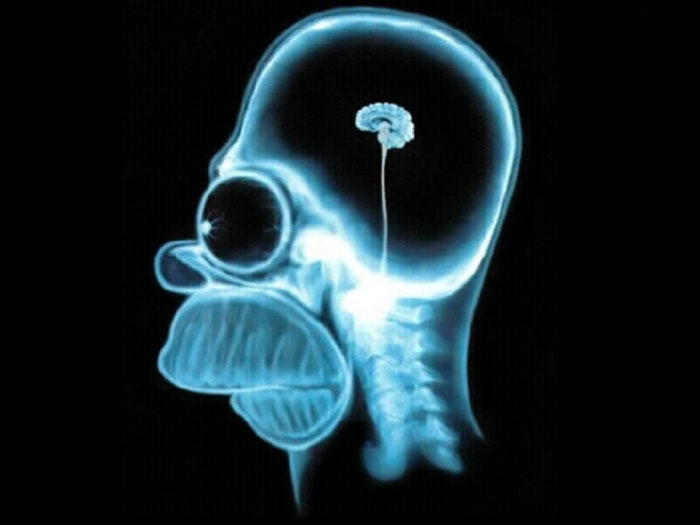
Chinese Researchers Say Internet Addiction Causes Grey Matter Atrophy in Cerebral Cortex
Research out of China shows that too much time spent playing games in front of a computer screen each day can actually rot your brain. Using MRI scans, researchers found grey matter atrophy in very heavy internet game players.

A Chinese Couple Sells 3 Children for Less than $10 000 Total to Pay for Gaming Addiction
A young couple in South China is accused of selling all three of their children to raise money for online gaming.

Chinese Doctor "Cures" Internet Addiction with Electroshock Therapy - 3000 Teens Treated So Far
An internet addiction clinic in the eastern Chinese province of Shandong claims to have successfully treated 3000 game and internet addicted youths using electroshock therapy.

Can’t Get Off Facebook? America’s First Technology Addiction Rehab Opens for Business
Has technology taken over your life? How about a 45 day techno-detox at America’s first internet addiction treatment facility, just outside of Seattle Washington?

Too Much Virtual Play May Affect Real World Performance
Researchers at the University of Kansas suggest that video game addicts who play more than 7 hours per week get almost 2 hours less sleep per night and struggle with fatigue during the day.