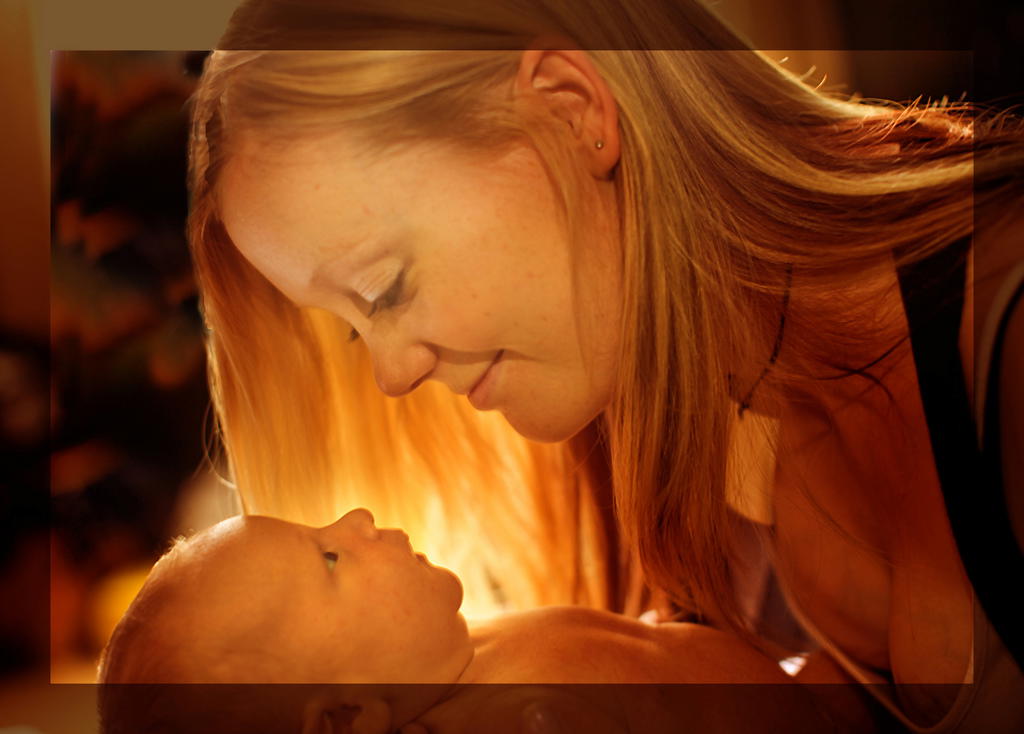
New Adoptive Parents at Risk for Depression
Researchers at Purdue University say that just as new moms get postpartum depression, newly adoptive parents are at risk of postadoption depression – a condition caused largely by a parenting reality that doesn’t meet expectations.

Karen J. Foli, assistant professor of nursing at Purdue University, ran a research study that looked into the causes of a condition called postadoption depression.
She interviewed newly adoptive parents as well as adoption experts and found some common themes amongst those new parents that had experienced a period of depression in the initial period post adoption.
She says that this depression seems most commonly caused by a parenting experience that doesn’t live up to what may have been unrealistic expectations. These expectations refer to the bonding and parenting experience and as well to expectations about how close relations, friends, and larger society will act after the adoption takes place.
Foli says that bonding can be a lot more challenging than newly adoptive parents had realized, and that many new adoptive parents are surprised, and disappointed, when they do not seem to get the same level of support that new birth parents seem to get.
Foli explained, saying, "Many adoptive parents spend their time during the adoption process demonstrating they are not only going to be fit parents, but super parents, and then they struggle with trying to be the world's best parent when the child is placed in the home. Adoptive parents also may experience feelings about their legitimacy as a parent, or even surprise if they don't readily bond with the infant or child."
The full research findings can be read in the Western Journal of Nursing Research.
More like this
New Tool Lets Doctors Predict Postpartum Depression with 80% Accuracy
Spanish researchers say they’ve developed a medical model that predicts, with 80% accuracy, which women will experience postpartum depression after childbirth.
Researchers Say Dietary Supplement May Help Cure Postpartum Depression
Canadian researchers at the Centre for Addiction and Mental Health (CAMH) in Toronto say they’ve figured out why some women succumb to postpartum depression after childbirth – and they say that they’re working on a dietary supplement that may well reduce the severity of the condition.

Social Contagion: Living with a Person at Risk of Depression May Increase Your Risk As Well
At certain periods in life, living with a person who uses maladaptive thinking styles increases your risk of depression. Fortunately, the opposite is also true.

Teen Stress Linked to Adult Mental Illnesses like Major Depression and Schizophrenia
For people already predisposed to mental illness (people with mental illness in the immediate family, for example) experiencing stress during adolescence likely increases the risk of experiencing mental illness as an adult.

The Link between Traumatic Brain Injuries (TBI) and Depression
Wondering what’s causing your depression? Have any concussions or other forms of brain injury in your past? Well, if you do it might explain the way you’re feeling, because having a brain injury, even a minor one, greatly increases your risks of depression – even years after the fact.