MRIs Can Predict Who Will Experience PTSD
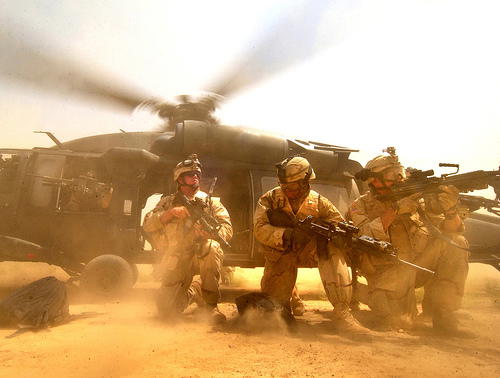
Researchers out of Israel have shown that MRI technology can predict which soldiers are likely to experience PTSD after stress exposure.

Israeli researchers say that with MRI scanning technology, they can predict which combat soldiers will likely develop problems with PTSD – which is potentially very good news to an American military struggling to cope with record high suicide and PTSD instances amongst returning active duty soldiers.
The researchers, out of Tel Aviv University, studied a subject pool of 50 Israeli soldiers and army medics, all of whom were exposed to severe combat stress. The researchers gave each subject an MRI scan prior to stress exposures (when each subject began active service) and 18 months later, in the midst of active duty service. Each subject was also interviewed. The MRI scanning concentrated primarily on an area of the brain called the amygdala.
Using this MRI information, the researchers were able to correctly predict which of the subjects would experience significant symptoms of PTSD.
The researchers say that as long as doctors have this baseline MRI data, a post stress exposure MRI can give accurate information about the likelihood of PTSD. Armed with this information, health workers can then intervene with early PTSD treatments for those likely to experience the disorder.
Lead researcher, Professor Talma Hendler of the Tel Aviv Functional Brain Center explains the obvious benefits of early intervention when talking about reducing military suicide rates, saying, “This tool can help provide tailored therapy to the afflicted and at a very early stage could identify the extreme cases that might otherwise go unnoticed.”
Professor Hendler received a special award from the American Army Commanding General of Medical Research for her pioneering work, which can be read in its entirety in the August edition of the Proceedings of the National Academy of Science.
More like this
Researchers Say as Many as 35% of Returning Iraqi War Soldiers Will Have PTSD
Researchers out of Stanford University say that as many as 35% of returning American soldiers will experience PTSD and that the VA hospital system needs to increase mental health services capacity to meet the coming need for care.

Daily Marijuana Smoking Linked to Psychosis
Marijuana is a known risk factor for the development of psychotic disorders, such as schizophrenia. However, Emory University researchers say that it’s not whether or not a person uses marijuana, but rather how quickly an adolescent user progresses to daily marijuana use that’s most important as a predictor for psychosis.

Greater Knowledge of the Brain May Lead to Super-Soldiers and Mind Controlled Weapons, Says DIA Report
Neuroscientists working to unlock the mysteries of the mind may provide military strategists with fertile material for new weapons development, says a report by leading scientists for the DIA
Secret Email Memo Urging V.A. Doctors to Under-Diagnose PTSD Angers Veterans
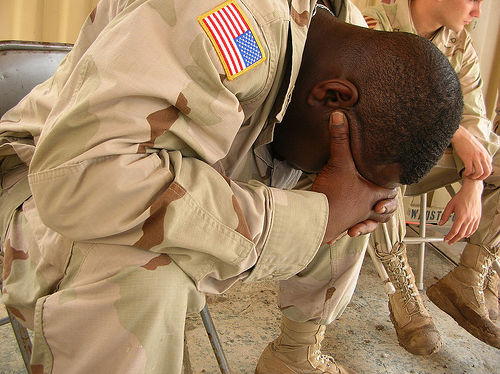
A Federal Judge in San Fransisco has reopened a case against the V.A. after reading an incriminating memo from one of the organization's doctors. A new hearing is scheduled for Tuesday.
More than a Third of Iraq and Afghanistan Vets Need Treatment for Mental Illness
Research compiled on veterans seeking treatment within the VA health care system reveals a dramatic increase in mental health disorders since the wars in Iraq and Afghanistan