
Low Vitamin D Levels Linked to Increased Depression in Older Adults
Failing to get enough of the sunshine vitamin might increase your risks for depression, as well as a host of other chronic conditions.

Vitamin D, the vitamin the body manufactures from sunlight exposure, plays a role in heart health, asthma, bone health and other chronic illnesses – and according to researchers at the National Institute of Aging in Baltimore, low levels of vitamin D are also associated with increased levels of depression in older adults.
The determine this, the researchers enlisted almost 1000 subjects (531 women and 423 men) over the age of 65 and followed this group over a 6 year period.
At the beginning of the study, 42% of the women and 18% of the men met the criteria for depression and 75 of the women and 50% of the men had insufficient vitamin D levels in the body.
Over a 6 year period:
- Women who had a vitamin D insufficiency showed a greater decline in mood symptoms at both 3 and 6 years into the study than women with sufficient Vitamin D
- Women
with a vitamin D insufficiency who began the study as non depressed were
twice as likely to become depressed over the 6 year period as women who
began as non depressed with sufficient vitamin D
The researchers are quick to point out that their study results do not prove that low levels of vitamin D cause depression, only that there is a correlation between depression and insufficient vitamin D – it may be that other lifestyle factors that cause vitamin D insufficiency are the more significant causes of depression (such as ill health and a loss of mobility leading to more time spent inside, for example).
Because of the strong correlation however, the researchers suggest further study into the link between depression and vitamin D and hope that one day, vitamin treatments might be used to improve the emotional health of older adults, writing, “Preventing vitamin D deficiency in the elderly may become in the future a strategy to prevent the development of depressive mood in the elderly and avoid its deleterious consequences on health. In addition, normalization of vitamin D levels may be part of any depression treatment plans in older patients.”
The full research results can be read in the May 5th edition of the Journal of Clinical Endocrinology and Metabolism.
More like this

Social Contagion: Living with a Person at Risk of Depression May Increase Your Risk As Well
At certain periods in life, living with a person who uses maladaptive thinking styles increases your risk of depression. Fortunately, the opposite is also true.

Telephone Therapy for Depression Almost as Good as in Person Counseling
Researchers at Brigham Young University say that receiving counseling over the phone seems almost as effective as in-person therapy for the treatment of depression.

Researchers Say We Can Teach Depressed People How to Be Happy
Can teaching happiness help to reduce symptoms of depression? Researchers at Duke University Medical School and The University of California, Riverside say probably, and as an added bonus, learning to incorporate activities like counting your blessings or writing thank you notes into a daily routine gets happiness results fast, and doesn’t cost much at all.

Researchers Say Dietary Supplement May Help Cure Postpartum Depression
Canadian researchers at the Centre for Addiction and Mental Health (CAMH) in Toronto say they’ve figured out why some women succumb to postpartum depression after childbirth – and they say that they’re working on a dietary supplement that may well reduce the severity of the condition.
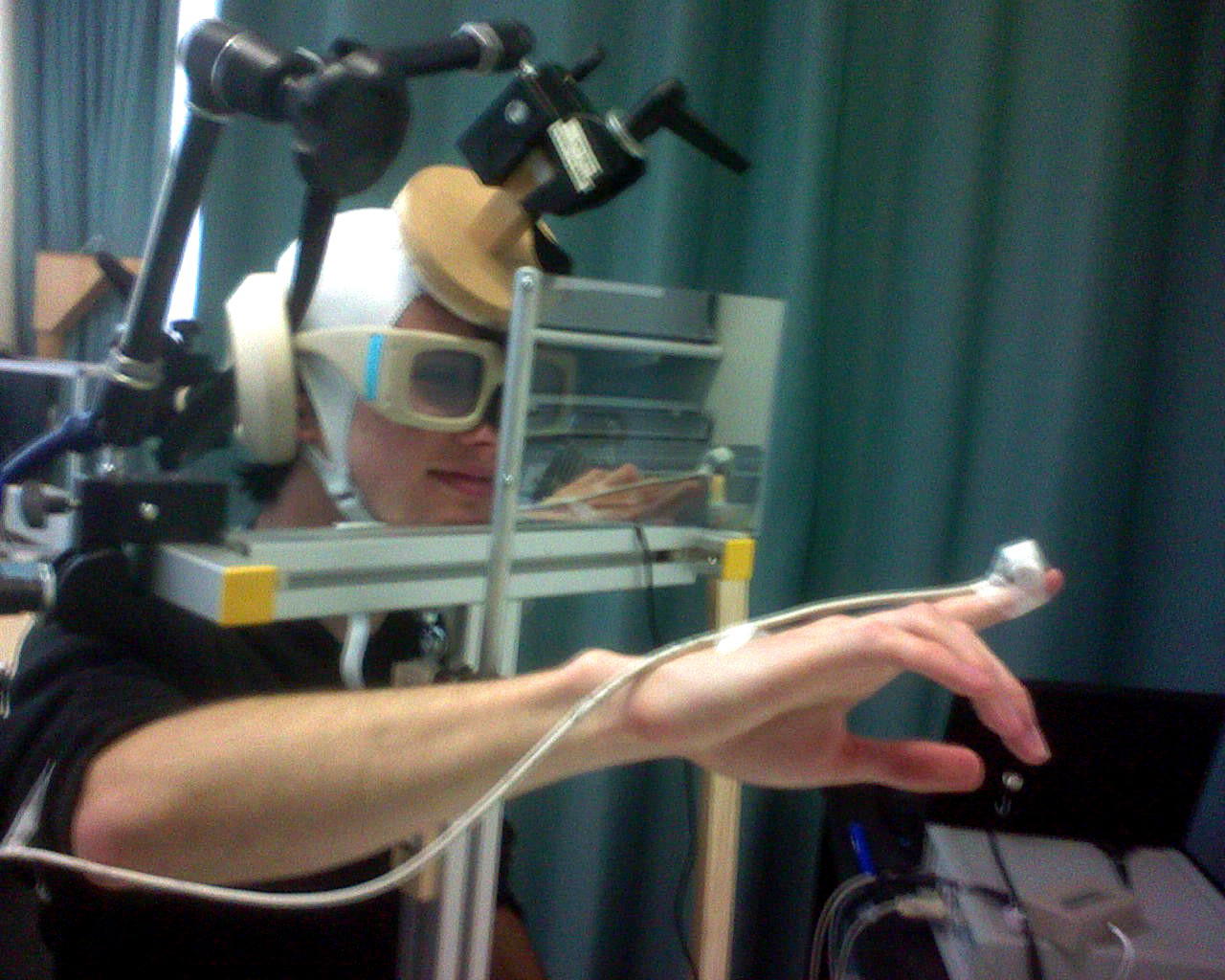
Magnetic Brain Stimulation Is Proven an Effective Therapy for Severe Depression
A new research study has proven that the magnetic brain stimulation does work for some people who have severe depression that does not respond to anti depressants.