NIDA Grants 4 Million to Study Marijuna Addiction
Barbara Mason, of the Scripps Research Institute, will spend four years and four million dollars of govt. money looking at marijuana addiction, and hoping to learn how we might be able to treat it.

Scientist Barbara Mason of the Scripps Research Institute has a four million dollar federal grant to play with. She plans to buy marijuana to celebrate.
Mason, an addiction expert who pioneered research on the nature of depression and alcoholism, will lead researchers in four laboratories on a quest to better understand the nature of marijuana addiction.
Studies done at the University of Michigan show that about 10% of people who experiment with marijuana will become dependant on it, but as of yet, there are no effective pharmacological interventions for the treatment of this chemical dependency. Indeed, much of what researchers still use to treat the many who complain of marijuana addiction is based on anecdotal evidence, and a very limited scientific knowledge base.
Scientists now recognize a syndrome of withdrawal symptoms associated with the cessation of heavy marijuana usage, and like with nicotine or alcohol, these symptoms are immediately arrested when a patient relapses. This coupled with strong cravings to use keeps a lot of people hooked for longer than they'd like to be.
Common symptoms of marijuana withdrawal include insomnia or nightmares, restlessness, anxiety and nausea and a loss of appetite.
Mason hopes to lead studies that will expand our understanding of the neuro psychological effects of the drug, both on the developing adolescent brain and on the developed adult brain, and also to develop an understanding of the lingering cognitive and behavioral effects of marijuana use. Mason hopes that increasing basal knowledge will lead to the development of effective clinical and pharmacological interventions that might help people to avoid relapse.
When asked about the difficulties of recruiting volunteer subjects for clinical experiments, Mason recounts being pleasantly surprised at how easy it has been, saying, "I've been doing alcohol research for a long time, and I got more people seeking treatment for cannabis than I did for alcohol,"
More like this
Getting High on Suboxone? The FDA Says It's Happening - Ex NIDA Director Blames Doctors
Users taking Suboxone to stave off the withdrawal pains of an opiate addiction aren't supposed to be able to abuse the medication. That was the idea anyway when the FDA approved the drug in 2002 for take-home use. Today's thriving street market for the drug has the FDA change its tune.
Finally Some Good News! Gene Linked to Increased Addiction Risk Also Linked to Extreme Longevity
Researchers say that people with the DRD4 7R gene are at an increased risk of ADHD and addiction but also more likely to live to extreme old age.

APA Says Regular Marijuana Use Is 'Bad for Teen Brains'
Though many perceive marijuana to be relatively harmless, researchers from the APA urge those considering legalization to keep cannabis away from underage consumers.

Marijuana Protects "Stressed" Rats from Opiate Addiction
Rats that grow up in stressful environments get addicted to opiates more easily than rats that grow up under normal conditions. However, if "stressed" rats are given high doses of THC (the active ingredient in marijuana) during adolescence they become far less addicted to opiates given later in life.
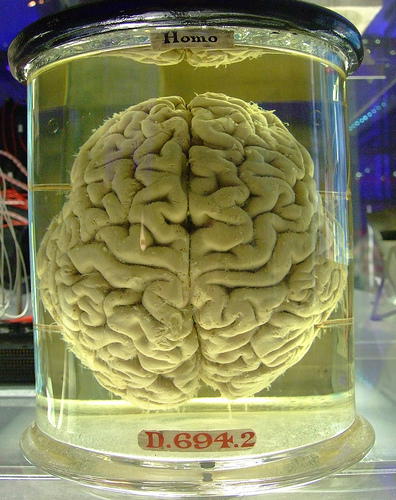
Heavy and Long-Term Marijuana Use Causes Brain Shrinkage
Australian researchers have found that heavy marijuana smoking men exhibited significant brain shrinkage in the hippocampus and the amygdala.