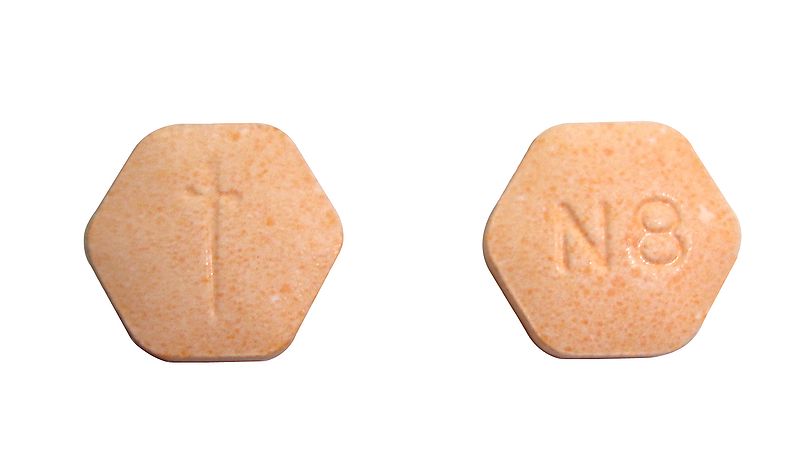
Getting High on Suboxone? The FDA Says It's Happening - Ex NIDA Director Blames Doctors
Users taking Suboxone to stave off the withdrawal pains of an opiate addiction aren't supposed to be able to abuse the medication. That was the idea anyway when the FDA approved the drug in 2002 for take-home use. Today's thriving street market for the drug has the FDA change its tune.

Buprenorphine, often sold under the trade name Suboxone, has been widely touted as a better methadone; a pill opiate addicts take to keep withdrawal symptoms and cravings at bay – a drug that is supposed to have little risk for abuse.
Suboxone contains buprenorphine, a partial opiate which binds to opiate receptors in the brain, allowing addicts to function normally without feeling the effects of withdrawal. It also contains a second ingredient, an opiate antagonist present in minute quantities, which is supposed to prevent people from abusing the drug.
This opiate antagonist does nothing when the drugs are taken as directed, but should a user crush and snort or inject the medication, it blocks the effects of the buprenorphine - and in fact sends the user into immediate withdrawal sickness.
That's what's supposed to happen anyway, and it's for this reason that doctors are permitted to prescribe as many as 30 take-home pills per visit.
Federal regulators now acknowledge that some users seem to be injecting the crushed tablets to get high, that there exists a thriving street market for the drug and that certain doctors seem to be prescribing the drugs outside of the bounds of good medical practices.
This diversion of the drug was a key topic at a recent private two day summit in Washington, in which medical experts discussed the use present and future of the drug, a drug now used by an estimated 170 000 on a daily basis.
FDA medical officer Dr. Celia Winchell admitted that users were able to abuse the drug by injecting it, and added "We're concerned about diversion and abuse." She suggested that the packaging at present may be missing some important warning patient information.
Other experts suggest that resolving the problem would occur most effectively through greater training for doctors and through a tighter monitoring of use. Currently, doctors must attend only a single day seminar prior to achieving Suboxone licensure, after which they may prescribe as many as 30 pills per patient per visit, and to each patient 5 times.
Dr. Charles R. Schuster, former director of NIDA, explains that, "A small minority of doctors are not practicing good medicine." He contends that although it may be legal for a doctor to prescribe a full 30 day supply after a first visit, it is neither expedient nor good care, and contends that doctors should get to know patients prior to prescribing full dosage quantities.
The general consensus, however, is that even with a certain level of abuse, Suboxone therapy remains one of the most promising treatments for opiate addiction.
More like this
Suboxone Proven Twice as Effective as Naltrexone
A Yale University study had to be stopped for ethical reasons after researchers realized how much better their patients on Suboxone were doing, than their patients on Naltrexone.

Pain Expert Says Doctors Are Too Scared to Prescribe Medications – People Living in Pain
An expert in pain management from the College of Pharmacy at Oregon State University says that millions of Americans are living in pain because doctors are afraid to prescribe sufficient pain killers.

Military Insurance to Cover Long Term Methadone and Suboxone Therapy
Defense Department to reverse an insurance coverage ban on long term methadone maintenance therapy for military personnel.
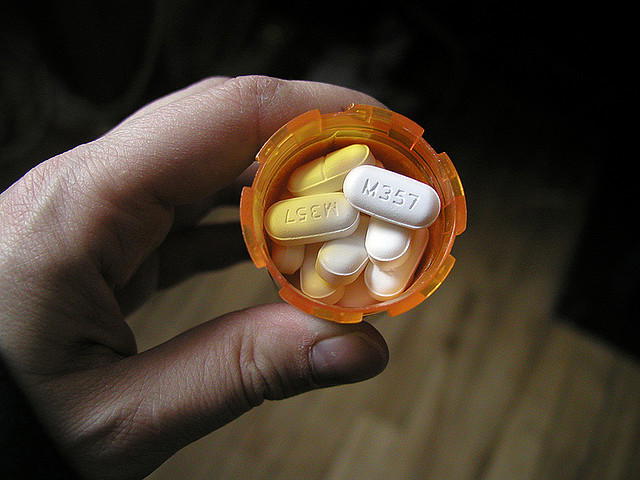
Study Says Suboxone Works Well for Prescription Opiate Abusers – But Discontinuation of Suboxone Use Causes Relapse Rates to Skyrocket
The results from the first large-scale study of Suboxone treatment for prescription opiate abusers are in – the medication works very well while you use it, but once you taper off Suboxone, relapse rates get very high.

Using Opiates in Massachusetts More Dangerous than Overseas Combat?
Mass. state drugs commission calls opiate use in the commonwealth an “epidemic” and to emphasize the point, compares the numbers of state citizens that die in overseas combat with those that die from drug overdoses – saying that drug overdoses cause 42 times more deaths.