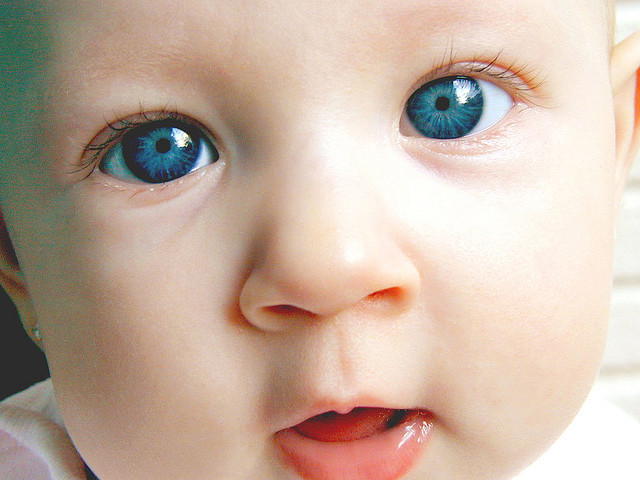
SIDS (Crib Death) Far More Likely to Occur on New Years Eve – Researchers Blame Drunk Caregivers
SIDS deaths spike by a third on New Year’s Eve, prompting researchers to speculate that increased alcohol consumption decreases childcare effectiveness and leads to the increased deaths.

The winter months are already a period of increased sudden infant death syndrome (SIDS) fatalities, but on the first day of the new year, University of California, San Diego researchers say that SIDS deaths increase by about a third.
Why the dangers increase over the New Year’s Eve holiday isn’t known, but the researchers speculate that increased alcohol consumption at New Year’s Eve parties may play a role in the deaths.
The study, led by researcher David Phillips, has been published in the journal, Addiction. In commenting on the results, Phillips argues the likelihood of alcohol playing a role in the increased fatalities, saying, "We know that when people are under the influence of alcohol their judgments are impaired and they are not as good at performing tasks. This would include caretaking. There should be increased efforts to inform caretakers that alcohol impairs parental capacity and might be a risk factor for SIDS."
July 5th is another day of the year that sees a jump in SIDS deaths
To reduce the chances of SIDS, health experts recommend:
- Placing infants to sleep on their backs
- Not smoking around an infant
- Making sure the crib and bedding are safe and comply with safety regulations
- Making sure to dress the infant appropriately – not overdressing with clothes or blankets to prevent overheating
More like this

Even Brain Damaged Alcoholics Can Expect Neural Recovery with Prolonged Sobriety
A study which proves that it is never too late to quit drinking shows that even severely brain damaged alcoholics (who suffer balance and walking problems from their neural deficits) will recover much balance and motor function in time.
Drinking Alcohol Even Days Before Surgery, Can Be Deadly
Doctors now caution anyone due for scheduled surgery to limit, or eliminate, alcohol consumption prior to a procedure.

20 Common Things People Realize When They Quit Drinking Alcohol
Of all the culturally conditioned behaviors we’ve mindlessly adopted, alcoholism is one of the most curious.

Alcohol Abstinence Reverses Brain Damage – But Treatment Must Be 2 Weeks or Longer to Take Advantage of Healing
Your brain heals quickly once you stop drinking and after a couple of weeks people start to see big improvements. Researchers say alcohol treatment needs to be at least this long to take advantage of this return of function.
Working 50+ Hours Per Month Raises Alcohol Abuse Risk Dramatically
People who work 50 or more hours per week are as much as three times more likely to develop a problem with alcohol as those who are unemployed.