HIV Positive Patients that Drink Alcohol Are Less Likely to Take Their Medications
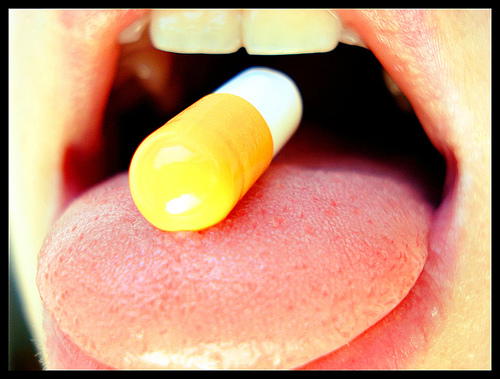
HIV positive patients that drink alcohol are less likely to take their medications as directed, and as alcohol consumption goes up, medication regimen adherence goes down.

Antiretroviral therapy is a medication treatment for HIV that can extend lifespan and quality of life for a significant number of years, but to be effective, patients need to strictly comply with the medication taking regimen – taking a lot of pills each day on a precise schedule.
Researchers at the University of Washington wanted to know what kind of influence alcohol consumption had on antiretroviral regimen compliance rates, and to do so they looked back at study data from 40 past research studies involving more than 25 000 subjects.
They found that HIV positive patients that abstained from alcohol were twice as likely as those who drank alcohol to comply with their medication regimen, and that the more people drank, the worse the compliance rates became.
The frequency of drinking alcohol seemed less significant than the amount consumed in a session, and those who were classified as at-risk drinkers, were the least likely to adhere to medication regimens.
Lead researcher Jane Simonni, says that its important to understand what factors can increase HIV medication regimen compliance rates, saying, "typical adherence for people taking medication is 50 percent. But 50 or 60 percent adherence isn't going to work for HIV medications and will lead to resistance to the drugs. Taking drugs for HIV is a lifetime commitment; you are married to the pills.”
The full research results of the study can be found in the Journal of Acquired Immune Deficiency Syndromes.
More like this
Drinking Alcohol Even Days Before Surgery, Can Be Deadly
Doctors now caution anyone due for scheduled surgery to limit, or eliminate, alcohol consumption prior to a procedure.

20 Common Things People Realize When They Quit Drinking Alcohol
Of all the culturally conditioned behaviors we’ve mindlessly adopted, alcoholism is one of the most curious.

Alcohol Abstinence Reverses Brain Damage – But Treatment Must Be 2 Weeks or Longer to Take Advantage of Healing
Your brain heals quickly once you stop drinking and after a couple of weeks people start to see big improvements. Researchers say alcohol treatment needs to be at least this long to take advantage of this return of function.

Intervention Text Messages Get Heavy Drinking Young Adults to Reduce Their Consumption
Researchers in Pennsylvania say that text messages may be an effective delivery system for alcohol abuse interventions to heavy drinking young adults. Heavy drinking young adults drink substantially less when they get periodic text messages containing strategies to reduce consumption.

Working 50+ Hours Per Month Raises Alcohol Abuse Risk Dramatically
People who work 50 or more hours per week are as much as three times more likely to develop a problem with alcohol as those who are unemployed.