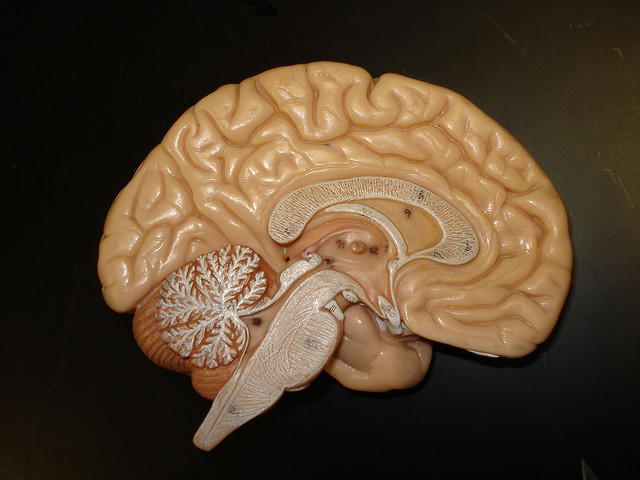
Alcohol Abuse Damages Brain Areas Necessary for Maintaining Sobriety
Want to understand why you have such a hard time staying sober? Researchers at Harvard Medical School say they have the answer based on the results of a recent brain imaging experiment – The very areas of the brain you need most to maintain abstinence are the areas most damaged by excessive alcohol use!

Why do some people struggle to control their drinking while others manage effortless moderation?
In an attempt to answer this question, researchers at Harvard Medical School rolled out their high resolution brain imaging equipment and took a good look inside the brains of a group of alcohol abusers and a group of non alcohol abusing control subjects.
What Did They Find?
After comparing the high resolution brain images of 31 people with a history of alcohol abuse problems and 34 people without such a history, the scientists say that alcohol abuse leads to brain atrophy in certain areas of the brain and that the areas of the brain most damaged by heavy alcohol consumption are the areas most necessary for controlling behavior (such as controlling drinking!)
- Heavy drinking led to atrophy in the frontal and temporal lobes of the cerebral cortex
- Study subjects with greater alcohol use histories showed greater levels of brain damage
- Fortunately, prolonged alcohol abstinence leads to some neural recovery
Brain atrophy in the frontal and temporal regions of the cortex can cause memory problems and language problems, reduced self control and a reduced ability to plan and reason. Such deficits, obviously, make maintaining sobriety all that much more difficult.
Commenting on the significance of the research, Terence M. Keane, Assistant Dean of Research at Boston University School of Medicine, wrote, "This study documents, for the first time, the dynamic nature of the neuropathology associated with chronic heavy alcohol use. The results may explain why alcoholism may be so difficult to treat: alcohol damages the very neural systems that are critical to achieving and maintaining abstinence."
The full study results can be read in the December 2011 edition of Alcoholism: Experimental and Clinical Research
More like this

Alcohol Abstinence Reverses Brain Damage – But Treatment Must Be 2 Weeks or Longer to Take Advantage of Healing
Your brain heals quickly once you stop drinking and after a couple of weeks people start to see big improvements. Researchers say alcohol treatment needs to be at least this long to take advantage of this return of function.

Even Brain Damaged Alcoholics Can Expect Neural Recovery with Prolonged Sobriety
A study which proves that it is never too late to quit drinking shows that even severely brain damaged alcoholics (who suffer balance and walking problems from their neural deficits) will recover much balance and motor function in time.

20 Common Things People Realize When They Quit Drinking Alcohol
Of all the culturally conditioned behaviors we’ve mindlessly adopted, alcoholism is one of the most curious.

Intervention Text Messages Get Heavy Drinking Young Adults to Reduce Their Consumption
Researchers in Pennsylvania say that text messages may be an effective delivery system for alcohol abuse interventions to heavy drinking young adults. Heavy drinking young adults drink substantially less when they get periodic text messages containing strategies to reduce consumption.

Working 50+ Hours Per Month Raises Alcohol Abuse Risk Dramatically
People who work 50 or more hours per week are as much as three times more likely to develop a problem with alcohol as those who are unemployed.