Researchers Say Exercise Is Good Medicine for Alcoholics
The abuse of alcohol can lead to disrupted circadian rhythms (our natural ‘body clock’ which tells us when to sleep or eat, for example) and disrupted circadian rhythms can lead to increased consumption of alcohol! Researchers say that exercise is a good way to ‘reset’ this body clock to reduce alcohol consumption.

Many alcohol abusers have altered circadian rhythms. The abuse of alcohol can lead to poor sleep, very early or late sleeping, little eating during the day followed by excessive eating during the night and other alterations of normal circadian functioning. Disrupted circadian rhythms can make normal sleep difficult, which can lead people to drink once again, to facilitate sleep. This cycle can obviously lead to continued alcohol abuse or to relapse among newly abstinent alcoholics.
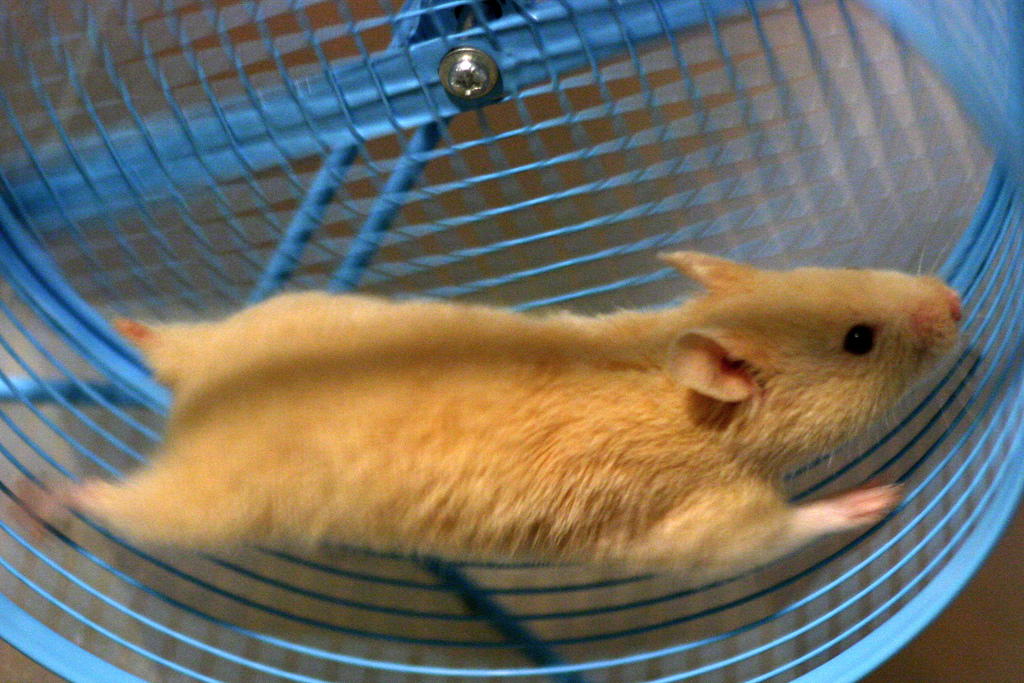
Researchers at Kent State University wanted to see what effect exercise might have on regulating alcohol altered circadian rhythms, and so they got a bunch of hamsters and a running wheel and set out to find out!
They found that:
- When hamsters were given free access to alcohol but no access to a running wheel, alcohol consumption went up substantially.
- When hamsters were given access to alcohol and a running wheel, the hamsters that spent more time exercising drank less than the ‘lazy’ hamsters
The researchers suggest that exercise serves to regulate and reset alcohol altered circadian rhythms, and that both exercise and alcohol induce similar dopamine releases in the brain, and can thus be substituted for one another. This substitution effect, they propose, makes exercise a potentially effective non pharmological intervention for the treatment of alcoholism.
Study author David Glass of Kent State University sums up significance of the research results by saying, "For humans, exercise may be an effective, beneficial, and naturally rewarding substitute for any type of addiction. It may also reduce the risk of addiction in individuals who have a family history of it, in addition to significantly reducing the risk of cardiovascular disease and mood disorders.”
The full study results are to be released in the September edition of Alcoholism, Clinical and Experimental Research
More like this

20 Common Things People Realize When They Quit Drinking Alcohol
Of all the culturally conditioned behaviors we’ve mindlessly adopted, alcoholism is one of the most curious.

Alcohol Abstinence Reverses Brain Damage – But Treatment Must Be 2 Weeks or Longer to Take Advantage of Healing
Your brain heals quickly once you stop drinking and after a couple of weeks people start to see big improvements. Researchers say alcohol treatment needs to be at least this long to take advantage of this return of function.

Intervention Text Messages Get Heavy Drinking Young Adults to Reduce Their Consumption
Researchers in Pennsylvania say that text messages may be an effective delivery system for alcohol abuse interventions to heavy drinking young adults. Heavy drinking young adults drink substantially less when they get periodic text messages containing strategies to reduce consumption.

Working 50+ Hours Per Month Raises Alcohol Abuse Risk Dramatically
People who work 50 or more hours per week are as much as three times more likely to develop a problem with alcohol as those who are unemployed.

Gastric Bypass Surgery Increases Likelihood of Developing an Alcohol Abuse Problem
Researchers at the University of Pittsburgh Medical Center say having gastric bypass surgery raises a person’s risk of developing an alcohol abuse problem by 50%.