
Tough Love - for a Dual Diagnosis Patient - It's the Only Real Kind of Love
Treat the disease, not the symptoms. Dual diagnosis addicts use manipulation as a way to continue to drink or drug, and family can only influence change through tackling the real root of the problem, and by being tough...tough love

Addicts are master manipulators, and dual diagnosis addicts are no different. Manipulation is part and parcel with denial, and is a defense mechanism essential to continuing to use or to drink. All addicts use manipulation to protect their use, they’ll do almost anything to protect their use!
Although dual diagnosis addicts do use manipulation as a strategy to continuing intoxication, the co presence of another disorder makes it much tougher for family to deflect this manipulation, and thus much tougher for family to act in constructive and supportive ways.
Family can exert a great influence towards getting a dual diagnosis patient both off drugs or alcohol, and towards better mental health as well, but they can only exert this positive influence if they retain a clear view of the situation…and this is very tough to do!
Why Tough Love Is the Best Love
No one enjoys seeing a loved one in pain, and our first and very natural impulse is always to do whatever we can reasonably do for them…whatever they ask of us. Problematically, what the dual diagnosis addict will ask of us is often completely at odds with an end to pain, and actually far more likely to create more pain through continuing and increasing drug and alcohol use.
Family will often coddle a dual diagnosis addict, accepting explanations for poor behaviors and life choices that they would never accept from another family member. Family will often do more than simply accept poor behaviors; they will tacitly support these behaviors through continuing financial or other support.
A dual diagnosis addict may offer a million explanations as to why they cannot go to treatment, why they cannot work, why they cannot handle their responsibilities, and the truth is they are very likely struggling to fulfill these tasks. However, when family indulges and accepts poor behaviors, and cleans up any and all messes made by the dual diagnosis addict, they create a situation very unlikely to induce positive change.
Addicts not faced to live their true reality are not addicts very likely to ever get better.
Dual diagnosis addicts coddled and supported by the family and not compelled to take steps to better their addiction and psychiatric issues tend to get increasingly isolated in the home. They do not work, they do not participate in outside activities, and they develop erratic sleeping patterns. They tend to develop lifestyles well fit to getting drunk or high, and not much else. Family that supports such a lifestyle does little to help the dual diagnosis addict get better.
To influence positive change, family must create a situation in which the dual diagnosis must face the consequences of their poor behaviors. Where family support is contingent on the fulfillment of certain agreed upon requirements (attending treatment, for example) and where the manipulations of the addict are minimized.
Treat the Disease, Not the Symptoms
Families, acting out of the best of intentions, too often spend enormous resources and energy fighting the symptoms of the disease, yet never tackling the disease itself.
Families try getting them into new living arrangements, try taking them on vacation, try buying them a car so that they can get around better…none of these things solve the root cause of all other difficulties.
You cannot expect lasting change through a symptoms management approach to the problem. The problem is from within, and altering external factors cannot change what emanates from within a sick person. Things cannot get better until the addiction is tackled as a primary cause of all other difficulties. (Addiction must be tackled however in a manner cognizant of the challenges facing a dual diagnosis patient.)
Tough Love is Tough
Family does not indulge a dual diagnosis addict out of any motivation other than concern and a misguided direction of natural compassion. It feels normal and right to try and “rescue” someone obviously hurting. Family can exert a great influence towards change, but only through tough love, love that is not easy and doesn’t always feel good. You have to be firm, tackle the real cause of the problem, and stop all behaviors that allow the addict to continue to use or drink without facing up to the consequences of these actions.
Psychiatric challenges do cause a predisposition to addiction. It’s not fair, but it’s reality, and you have to move forward with the hand you’ve been dealt. Dual diagnosis patients can and do get better, but they need to face their reality, and they need to become active participants in their recovery.
Tough love isn’t easy, but it works, and it makes things better.
Editor’s picks
Can You Have a Relative That Needs Treatment Committed?
When they are a danger to themselves or to others, can you have them committed? Will the state do what you cannot, and force someone in need of treatment to get help?

Post Traumatic Stress Disorder and Drug or Alcohol Abuse
PTSD and substance abuse go hand in hand, and since each condition exacerbates the severity of the other, alcohol or drugs are never a good idea. Get help at a facility that combines effective treatments for PTSD and substance abuse, and turn the corner to a brighter tomorrow.

Seasonal Alcoholism – The Link between Seasonal Affective Disorder and Substance Abuse
Don’t try chasing away those winter blahs with a few drinks to lift your spirits, you may be suffering from undiagnosed Seasonal Affective Disorder and by using alcohol as self medication you are greatly upping your risk of a substance abuse problem.

Elements of Effective Treatment for People with Co-Occurring Disorders
People with co-occurring disorders need treatment which integrates substance abuse and mental health therapies at the same time. Read on to learn more about 8 elements of effective co-occurring disorder treatment programs.
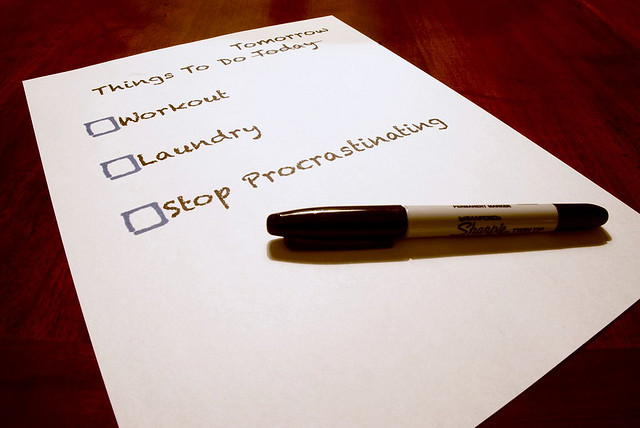
Keep Yourself Feeling Great! Maintain Wellness and Prevent Worsening Psychiatric or Emotional Symptoms with This Easy Exercise
Create wellness sheets and have a reminder of what you need to do every day, and once in a while, to keep yourself feeling good and to prevent worsening psychiatric or emotional symptoms.