
Dual Diagnosis…Don’t Diagnosis on Your Own!
With an increasing pop-culture awareness of mental health conditions there is a tendency for individuals or families to attempt a self diagnosis, and even to take treatment steps based in this self diagnosis. Don't do it!

You can't find depression on an X-Ray and there's no blood test for bi-polar.
Attaining a correct diagnosis of the psychiatric illness compounding an addiction challenge is essential for any hope of a successful recovery. It's also very difficult – so complex in fact that mental health challenges are routinely incorrectly diagnosed by medical professionals (and incorrectly medicated as a result) and so complex that family alone should not attempt to make a diagnosis-even informally-without professional help.
A Dual Diagnosis Is Complex
Drug and alcohol use create certain neuro chemical imbalances that can manifest quite similarly to certain psychiatric disorders, drug and alcohol use can induce a psychiatric illness, and an existing psychiatric illness can induce alcohol or drug abuse as a form of self medication.
With the advent of the internet and an increasing pop culture awareness of mental illness, there can be a tendency for loved ones to attempt to diagnose certain behavioral traits, and even take certain treatment steps assuming a correct diagnosis, yet the complexity of making a correct diagnosis discludes laypeople from correctly determining the real extent of the situation. Even seasoned psychiatric health professionals struggle to accurately diagnose these difficulty measured challenges, and with limited diagnostics testing available, the diagnosis in many cases falls to the experience and observations of a multi disciplinary team working in concert.
Get a Professional Diagnosis
If you or a family member struggles with psychiatric challenges concurrently with addiction, make sure you get a professional diagnosis. Addiction and mental health issues are strongly interrelated, and a dual diagnosis is very common - and very under diagnosed. If you or a loved one is suffering from an addiction to drugs or alcohol, it can be beneficial to seek out some preliminary professional therapy prior to selecting a treatment location, to ensure that you get a preliminary diagnosis and to ensure that the treatment facility you select for your care is well equipped to handle your mental health needs.
An accurate diagnosis, although complex, greatly accelerates treatment, and guards greatly against relapse. Neither condition (addiction or mental health issues) can be treated in isolation for any likelihood of long term success and sobriety. Get help, get a diagnosis and start getting the treatment needed to start getting better.
Editor’s picks

Can You Have a Relative That Needs Treatment Committed?
When they are a danger to themselves or to others, can you have them committed? Will the state do what you cannot, and force someone in need of treatment to get help?

Post Traumatic Stress Disorder and Drug or Alcohol Abuse
PTSD and substance abuse go hand in hand, and since each condition exacerbates the severity of the other, alcohol or drugs are never a good idea. Get help at a facility that combines effective treatments for PTSD and substance abuse, and turn the corner to a brighter tomorrow.

Seasonal Alcoholism – The Link between Seasonal Affective Disorder and Substance Abuse
Don’t try chasing away those winter blahs with a few drinks to lift your spirits, you may be suffering from undiagnosed Seasonal Affective Disorder and by using alcohol as self medication you are greatly upping your risk of a substance abuse problem.

Elements of Effective Treatment for People with Co-Occurring Disorders
People with co-occurring disorders need treatment which integrates substance abuse and mental health therapies at the same time. Read on to learn more about 8 elements of effective co-occurring disorder treatment programs.
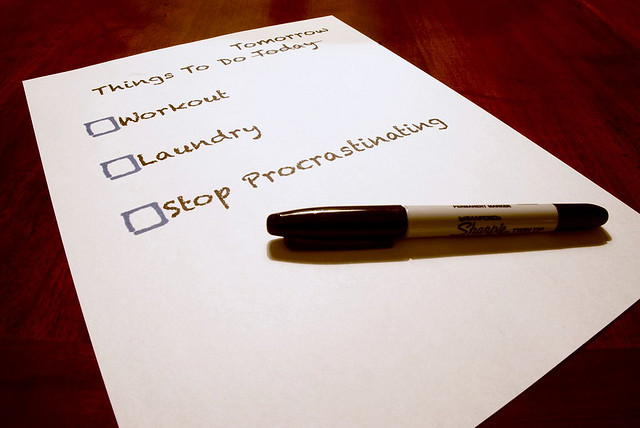
Keep Yourself Feeling Great! Maintain Wellness and Prevent Worsening Psychiatric or Emotional Symptoms with This Easy Exercise
Create wellness sheets and have a reminder of what you need to do every day, and once in a while, to keep yourself feeling good and to prevent worsening psychiatric or emotional symptoms.