Harvard Researchers Say Electrical Acupuncture Works Well as a Treatment for Opiate Addiction
A study on electrical acupuncture demonstrates its possibilities as a form of opiate addiction treatment.

Researchers at Mclean Hospital and Harvard Medical School say that transcutaneous electric acupoint stimulation (TEAS) is a treatment that may help opiate addicts achieve longer abstinence.
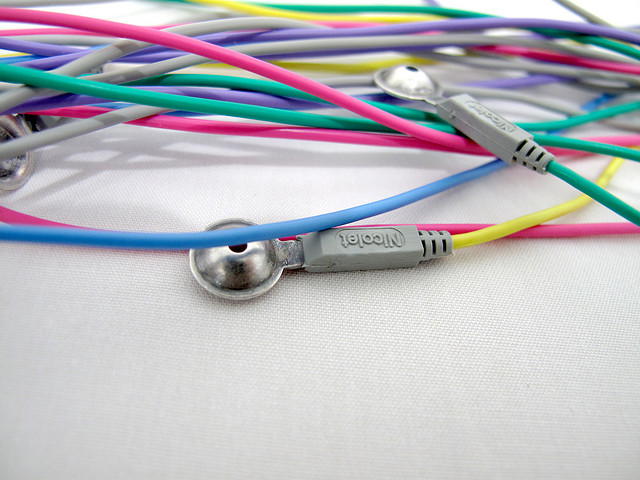
TEAS works similarly to acupuncture, but instead of inserting small needles as in conventional acupuncture, TEAS practitioners affix electrodes to specific areas of the body and use electric current to stimulate the nervous system.
The researchers ran a study at a private addiction treatment hospital (Mclean Hospital) to evaluate how well TEAS might work to help people stay clean after withdrawing from opiates in a brief inpatient detoxification protocol.
Study subjects were assigned to one of 2 groups and all subjects received three daily half hour TEAS sessions over a 4 day period.
- Half of the study subjects were assigned to a placebo group. This group thought they were getting a full course of TEAS treatments, but received only very low amplitude stimulation (1mA), which is non-detectable.
- Half of the study subjects received true TEAS treatment, with a maximum tolerable electrical stimulation at 15mA
- All study subjects also received a brief course of buprenorphine, to aid in the detoxification
To evaluate the impact of the TEAS, the researchers followed up with each subject over the proceeding weeks to check for return to drug use, the intensity of withdrawal symptoms experienced, general levels of physical health and tolerance to pain.
The Results
- Subjects who received real TEAS were more than twice as likely to maintain opiate abstinence for the first 2 weeks. 65% of subjects who received the simulated TEAS relapsed back to opiate use within the first 2 weeks, compared to only 29% of those who received true TEAS.
- Subjects who received true TEAS were also much less likely to return to other drug use. In the first 2 weeks, 75% of those who received placebo TEAS returned to at least some drug use while only 35% of those who received real TEAS returned to any drug use.
- Subjects who received true TEAS reported greater better pain tolerance and overall physical health than the subjects who had received placebo TEAS. The researchers concede that this effect may have been due to the greater levels of abstinence achieved by the real TEAS group.
- There was no difference in the intensity of withdrawal symptoms between the 2 groups. Previous studies have shown that TEAS can reduce withdrawal symptoms intensity, but this effect may have been blunted by the corresponding use of buprenorphine by all study subjects.
Commentary
Due to the positive results of the experiment the researchers call for further clinical study on the benefits of TEAS as addiction treatment. Based on these preliminary findings they say that TEAS appears to be an affordable and non intrusive intervention that could work well when applied as an adjunct treatment in an inpatient opiate detoxification program.1References
Editor’s picks

Medical Marijuana - How to Avoid Abuse and Addiction
Marijuana is a valid medicine, and like many other medicines, it has a potential for abuse. However, with medical marijuana, you're usually left to decide how much and how often to use on your own. Here's a guide to making sure your medicine doesn't start causing more problems than it solves.

Tai Chi for Better Mental Health – The Evidence
Tai Chi is known to yield physical health benefits like improved muscle strength and balance, but can it also alleviate symptoms of depression and anxiety, reduce stress and improve mood and self esteem? Read on to find out what clinical researchers say about Tai Chi as a treatment for psychological well-being.
Considering Milk Thistle for Alcoholic Liver Disease – an Overview and Review of the Evidence
If you have alcoholic liver disease should you be taking milk thistle? The research evidence is inconclusive, but a number of studies show real benefits and no studies show significant harms. Read on to learn more about this potentially life-saving herbal medicine.
Nigella Sativa (Black Seed) a Natural Opiate Withdrawal Cure?
Used for thousands of years as a traditional medicine, nigella sativa is a safe and effective complementary medicine that treats everything from cancer, to arthritis - and possibly opiate withdrawal. Learn more about the benefits (and risks) of this affordable and natural home-remedy for opiate withdrawal.

Ibogaine for Opiate Addiction Treatment: Miracle Cure or Illegal and Dangerous?
Ibogaine addiction treatment - can a single session really cure opioid addiction (no withdrawal symptoms or drug cravings)? Learn more about the risks and benefits here.