
Difficult Babies at 5 Months of Age Are More Likely To Experience Early Depression
Canadian researchers say that up to 15% of toddlers and preschoolers show signs and symptoms of depression or anxiety and that babies who are difficult at 5 months of age are at much greater risk of the disorders.
Researchers out McGill University, the University of Montreal and other participating institutions conducted a 5 year, longitudinal study of 1758 representative and randomly selected children born in Quebec. The children were evaluated annually for mental health symptoms, starting at five months of age, with the mothers present and questioned as well, to provide more complete information.
The researchers found that a surprising percentage of very young children show signs and symptoms of depression or anxiety. They have also discovered the 2 most important predictors of early childhood depression or anxiety:
- Maternal depression (lifetime) – children born to mothers who had ever experienced clinical depression were most likely to show signs themselves
- A difficult temperament at five months
Lead study author, Dr. Sylvana Cote, out of The University of Montreal, commented on the implications of the study results, saying, "Health professionals should target such high risk children at infancy, as well as their parents, to have a long-term impact on their well-being."
The researchers say that further research is needed on interventions for these very young children at-risk of depression and anxiety symptoms.
The complete study results can be read at The Journal of Child Psychology and Psychiatry http://www3.interscience.wiley.com/journal/122454564/abstract?CRETRY=1&SRETRY=0
More like this
Australian Researchers Say That Internet Therapy for Depression Works as Well as In-Person Counseling
An Australian randomized control study that evaluated internet based therapy for depression reveals that net-based counseling works about as well as in-person therapy.

Sunshine Increases the Cognitive Performance of Depressed Study Subjects
While researchers have long known of an association between sunlight intensity and mood, scientists now know that sunlight affects how effectively depressed people think, as well.
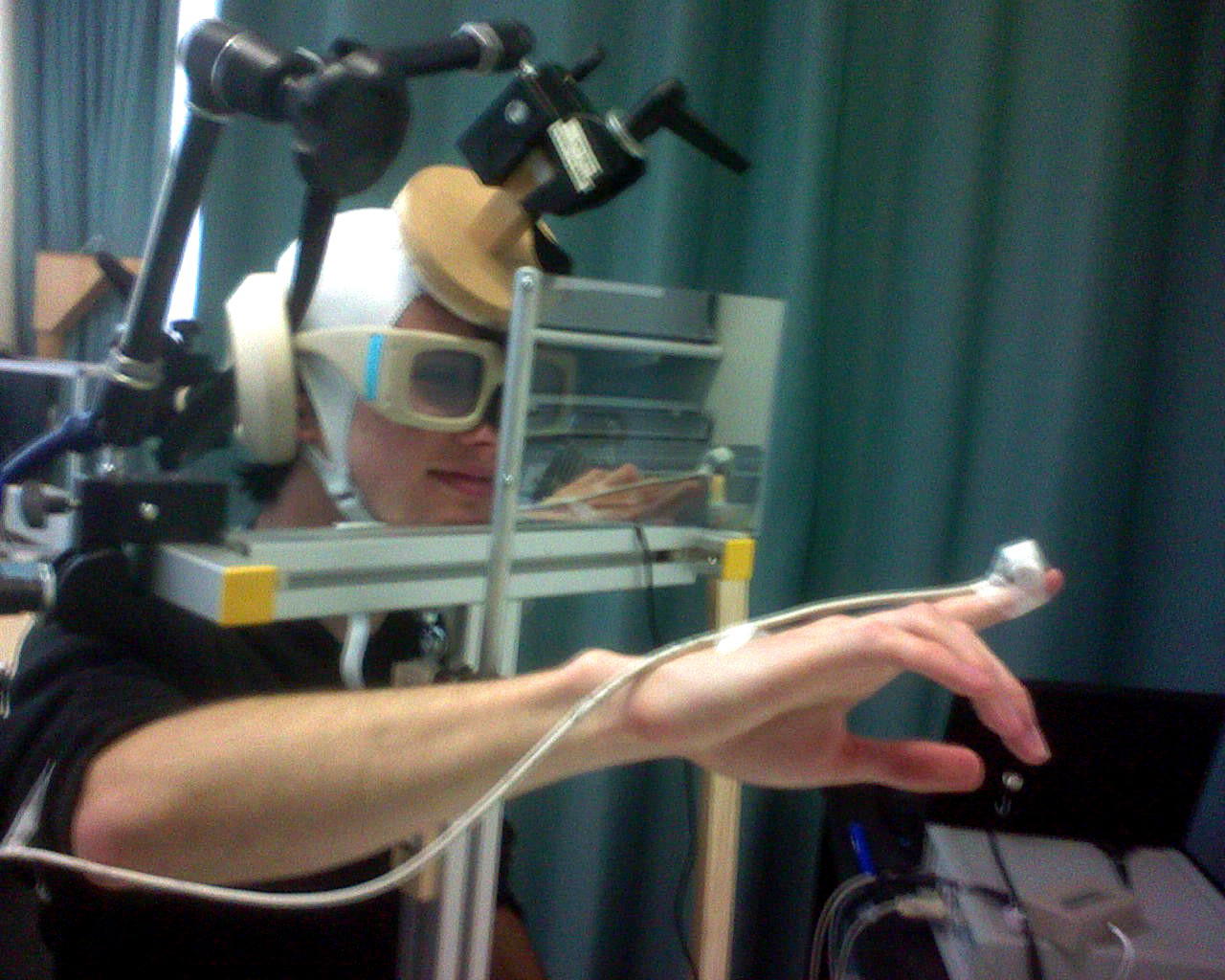
Magnetic Brain Stimulation Is Proven an Effective Therapy for Severe Depression
A new research study has proven that the magnetic brain stimulation does work for some people who have severe depression that does not respond to anti depressants.

Children with Fetal Alcohol Spectrum Disorders Can’t Understand Emotions of Others
Researchers in Toronto say that a lot of children with fetal alcohol spectrum disorders receive an initial wrong-diagnosis of attention deficit hyperactivity disorder (ADHD), but that although the negative behaviors exhibited by children with both conditions are similar, the cognitive processes causing these behaviors differ greatly.

Social Contagion: Living with a Person at Risk of Depression May Increase Your Risk As Well
At certain periods in life, living with a person who uses maladaptive thinking styles increases your risk of depression. Fortunately, the opposite is also true.