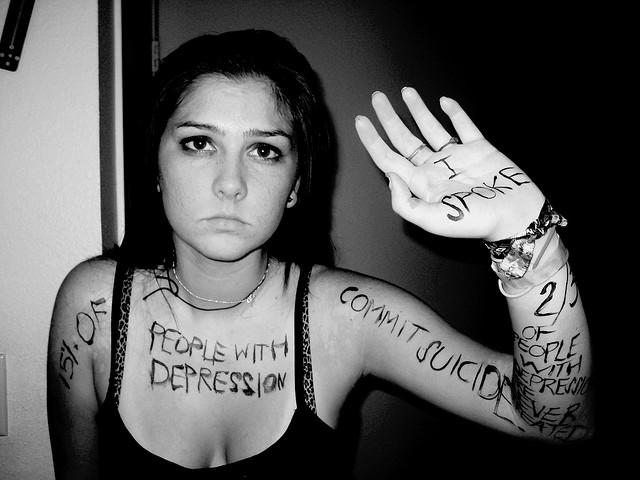
From Age 10 to 24, Mental Health Disorders the Leading Cause of Disability
Diseases like depression, schizophrenia and other mental health disorders account for 45% of the disability experienced by those aged 10 to 24 world-wide. The distant second and third ranking causes of young person disability are injuries (12%) and infectious diseases (10%).

Diseases like HIV, car accidents and other forms of trauma may get more attention, but according to a study from the World Health Organization (WHO), the biggest disability-risk for those aged 10 to 24 comes from mental health disorders.
WHO researchers looked at disability data from 191 countries to determine the major causes of disability experienced by those aged from 10 to 24. Disability was measured by ‘disability years’, which is a measure which calculates how many years of life, or good-health life, are lost to a disability.
Globally, the top three causes of disability are:
- 45% - Mental disorders, such as depression, bipolar disorder, schizophrenia, substance abuse, self harm and others
- 12% - Unintentional injury, such as car accidents
- 10% - infectious diseases, such as malaria, tuberculosis, HIV and others
In richer countries with better management of infectious diseases like malaria and tuberculosis, the proportion of disability years attributable to metal disorders rises substantially, such as in Australia, where mental health disorders account for two thirds of the disability experienced by young people.
The study, which was published in The Lancet medical journal, was accompanied by an editorial by Dr. John S. Santelli, M.D., of Columbia University's Mailman School of Public Health. He writes that although the disability burden of mental disorders is staggering, that with current more effective treatments, it doesn’t have to be this way, arguing, "There’s much better behavioral treatments, there’s much better pharmacological treatments as well. We know what to do. We just need to do it."
More like this

Study Finds that a Majority of ‘Locked In Syndrome’ Paralysis Patients Are Happy
People with locked in syndrome paralysis are mentally aware but unable to move anything in their bodies, with the exception of their eyes. Although it’s difficult to imagine living a satisfying life under such difficult conditions, a new study shows that an overwhelming number of patients with the disorder say they’re happy. People who have had the condition for a longer period of time were more likely to report happiness, which raises points for discussion in any debate about the validity of euthanasia.

Social Contagion: Living with a Person at Risk of Depression May Increase Your Risk As Well
At certain periods in life, living with a person who uses maladaptive thinking styles increases your risk of depression. Fortunately, the opposite is also true.

Teen Stress Linked to Adult Mental Illnesses like Major Depression and Schizophrenia
For people already predisposed to mental illness (people with mental illness in the immediate family, for example) experiencing stress during adolescence likely increases the risk of experiencing mental illness as an adult.

Research: To Purge Negative Thoughts, Just Write Them Down and Throw Them in the Trash
Unwanted negative thoughts – researchers say you can eliminate their power by writing them down on paper and then throwing that paper in a trash can.

Acts of Kindness Reduce Social Anxiety and Increase Happiness
Researchers say that not only do random acts of kindness make us feel happier; they can also reduce the severity of social anxiety disorder symptoms.