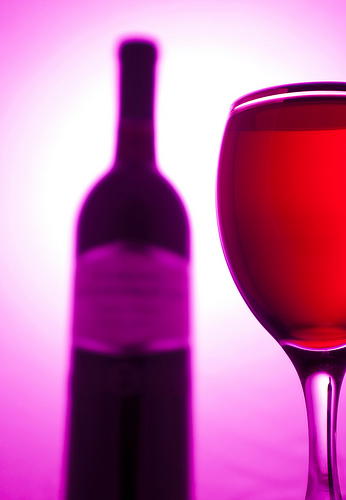
Ordering Wine at a Restaurant? Be Careful, Scientists Say There's More Alcohol in It Than You Think!
California researchers visited 80 bars and restaurants to see just how much alcohol was in a served drink - and they found that with wine especially, people were getting served a lot more than a standard serving of alcohol in each glass.

Researchers in California are hitting the bars and measuring drinks, and they say that you're getting a whole lot more alcohol than you think in each ordered glass of wine or beer.
American bars and restaurants do not typically display alcohol content information about alcoholic drinks, and the researchers say that it's quite important for people to have an accurate idea of how much alcohol they are consuming over the course of an evening. They also say that since all social alcohol research is built on the assumptions of "standard" drink sizes, researchers need to be aware of what's really happening at the corner restaurant or pub.
William C. Kerr, the study author and a senior scientist at the Alcohol Research Group at the Public Health Institute, explained, "There are a number of factors that influence the alcohol content of drinks. These include glass size; percent alcohol by volume (%ABV) of the beer, wine or spirit, for example a 15-percent wine versus an 11-percent wine, or a six-percent beer compared to a 4.2-percent light beer; accidental pour variability; and probably most important, the intentions of management and the bartender."
He says that the most variable product is wine, followed by draft beer and mixed cocktails, and blames proprietors and servers for over pouring - explaining that when the cost of a served glass of wine can reach the wholesale bottle price, there is a real financial incentive to create a perception of value through a big pour.
The researchers warn that people who are not intending on drinking to excess may be pushed over legal blood alcohol limits by larger than normal serving sizes of alcohol.
The study results can be read in Alcoholism: Clinical & Experimental Research (ACER).
More like this
Drinking Games and Toga Parties – New Research on College Binge Drinking
Not entirely surprisingly, college students participating in drinking games tend to get drunker than those that don't.

Marijuana Protects "Stressed" Rats from Opiate Addiction
Rats that grow up in stressful environments get addicted to opiates more easily than rats that grow up under normal conditions. However, if "stressed" rats are given high doses of THC (the active ingredient in marijuana) during adolescence they become far less addicted to opiates given later in life.
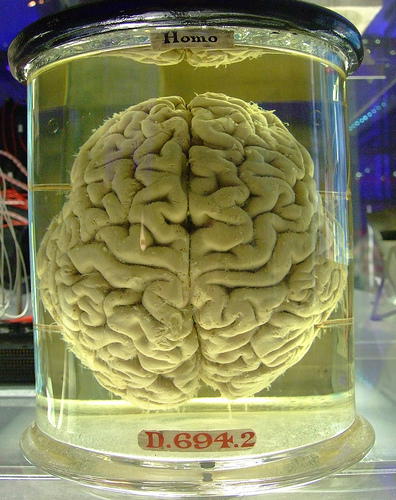
Heavy and Long-Term Marijuana Use Causes Brain Shrinkage
Australian researchers have found that heavy marijuana smoking men exhibited significant brain shrinkage in the hippocampus and the amygdala.
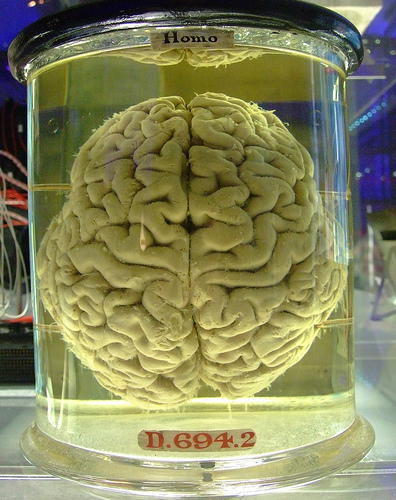
Heavy and Long-Term Marijuana Use Causes Brain Shrinkage
Australian researchers have found that heavy marijuana smokers exhibited significant brain shrinkage in the hippocampus and the amygdala.
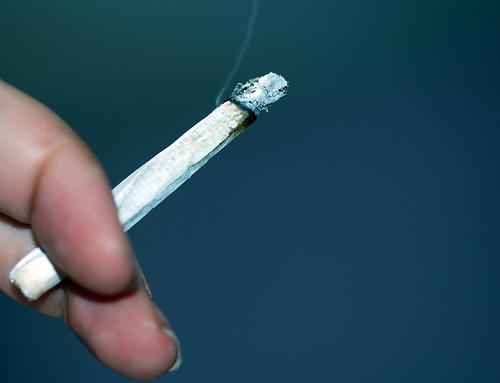
Daily Marijuana Smoking Linked to Psychosis
Marijuana is a known risk factor for the development of psychotic disorders, such as schizophrenia. However, Emory University researchers say that it’s not whether or not a person uses marijuana, but rather how quickly an adolescent user progresses to daily marijuana use that’s most important as a predictor for psychosis.