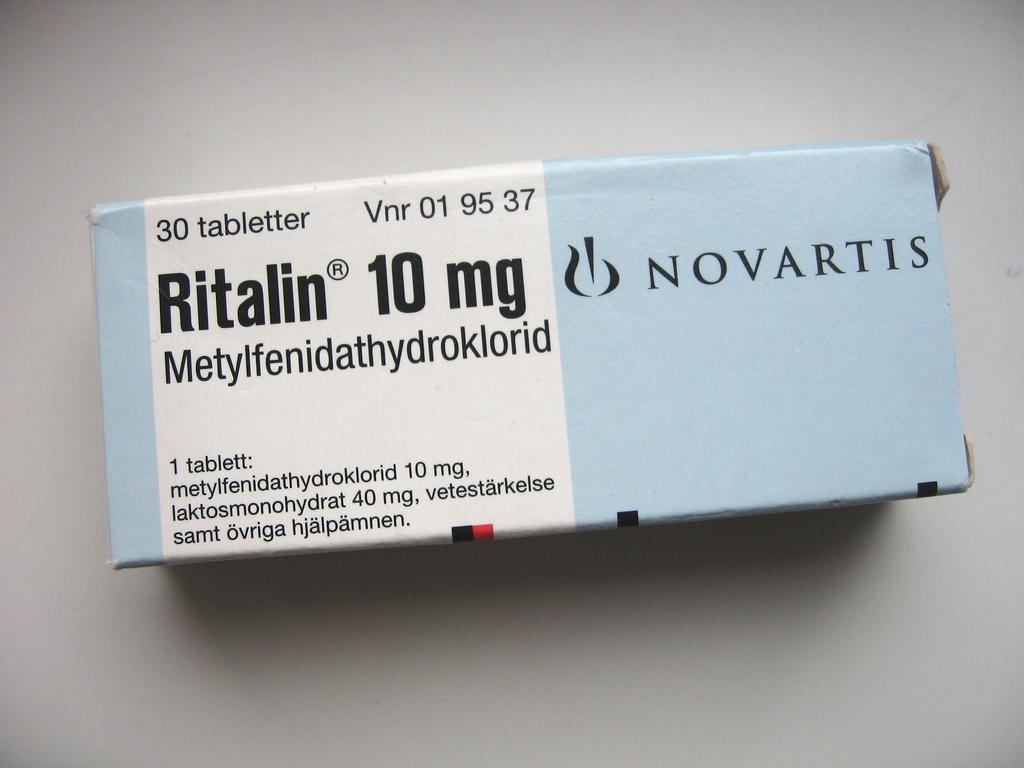
The ADHD Drug Ritalin May Help Cocaine Addicts Resist Cravings
Researchers at Yale University say that the ADHD medication Ritalin (methylphenidate) may help cocaine addicts resist urges to use the illegal drug.

Yale University researchers gave 10 cocaine addicted study subjects Ritalin and then gave these subjects a computer test that measures impulse control – subjects had to press a button quickly after seeing the word ‘go’ on a computer screen, and resist the urge to press that button when the word ‘stop’ occasionally flashed on the screen. While being tested, each subject also received an MRI brain scan.
Two days later, each subject once again performed the same test of impulse control, this time without first taking Ritalin (they received a placebo).
The Results
- The researchers say that Ritalin helped these cocaine addicted people control their impulses during the computer test. The MRI scans revealed that Ritalin caused changes in the functioning of the ventromedial prefrontal cortex, an area of the brain known to regulate impulse and behavioral control.
Describing the implications of their results, the Yale researchers concluded that "the ventromedial prefrontal activation suggests a neural process whereby self-control might be improved,” and suggested that medications like Ritalin that can improve self control deficits may be useful in the treatment of cocaine addiction.
The full results of the study can be read in the Proceedings of the National Academy of Sciences.
More like this

Getting High on Suboxone? The FDA Says It's Happening - Ex NIDA Director Blames Doctors
Users taking Suboxone to stave off the withdrawal pains of an opiate addiction aren't supposed to be able to abuse the medication. That was the idea anyway when the FDA approved the drug in 2002 for take-home use. Today's thriving street market for the drug has the FDA change its tune.

Young Adults Find Effective Recovery Support in 12 Steps Meetings with Older Adults
Because so many young adults use drugs or alcohol young people sometimes have trouble forging sober social support networks after treatment. AA and NA can provide this sober support, but many groups are comprised of middle aged adults. A new research study suggests that this age gap does not matter and that 12 steps meetings do offer younger adults effective social support.

Study Supports Combining Smoking Cessation and Addiction Treatment Programs
Smoking cessation efforts in addiction treatment programs help people quit without compromising overall treatment outcomes.

Intervention Text Messages Get Heavy Drinking Young Adults to Reduce Their Consumption
Researchers in Pennsylvania say that text messages may be an effective delivery system for alcohol abuse interventions to heavy drinking young adults. Heavy drinking young adults drink substantially less when they get periodic text messages containing strategies to reduce consumption.

For Alcohol Abusers, Roughly 50% of Addiction Therapists Say Moderation, Rather Than Abstinence, Is an Acceptable Goal
Roughly half of American addiction counselors now believe that moderating consumption, rather than abstinence, is an acceptable treatment goal for people with alcohol or drug abuse problems.