Suboxone Proven Twice as Effective as Naltrexone
A Yale University study had to be stopped for ethical reasons after researchers realized how much better their patients on Suboxone were doing, than their patients on Naltrexone.

A Yale University study comparing buprenorphine to naltrexone had to be stopped for ethical reasons after researchers realized just how much better the patients on buprenorphine were faring.
The study, which involved 126 opiate addicted patients emerging from a Malaysian detox and counseling center, gave a percentage of the participants, buprenorphine (Suboxone) a percentage Naltrexone (an opiate antagonist) and a third percentage a placebo.
The patients given Suboxone were twice as likely to avoid relapse as the patient given naltrexone or placebo.
More like this
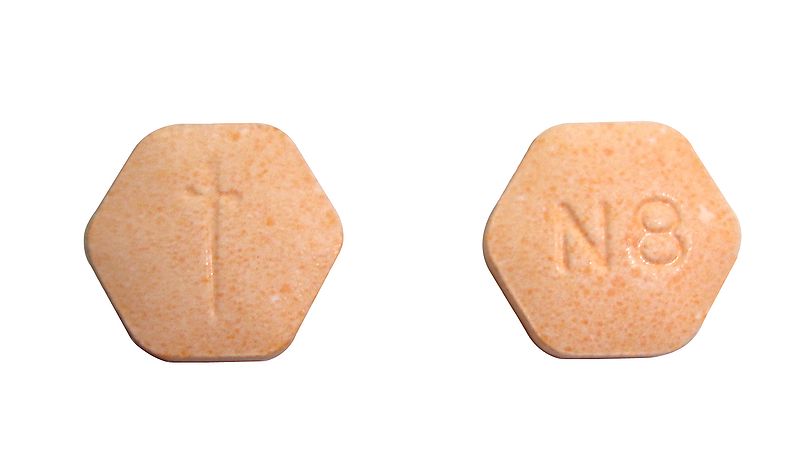
Getting High on Suboxone? The FDA Says It's Happening - Ex NIDA Director Blames Doctors
Users taking Suboxone to stave off the withdrawal pains of an opiate addiction aren't supposed to be able to abuse the medication. That was the idea anyway when the FDA approved the drug in 2002 for take-home use. Today's thriving street market for the drug has the FDA change its tune.

Using Opiates in Massachusetts More Dangerous than Overseas Combat?
Mass. state drugs commission calls opiate use in the commonwealth an “epidemic” and to emphasize the point, compares the numbers of state citizens that die in overseas combat with those that die from drug overdoses – saying that drug overdoses cause 42 times more deaths.
A Way to Produce Non-Addictive Opiates
By adding a medication called +Naloxone to opiates, researchers managed to "remove" intoxication and addiction while retaining their pain relieving properties.

Researchers to Give Free Heroin to Addicts
Canadian researchers plan to supply medical grade heroin to 200 addicts in Vancouver and Montreal during a 3 year harm reduction study.
In Ireland - a Cure Worse Than the Disease? Methadone Kills More than Heroin Each Year
Heroin killed 28 in Dublin last year - Methadone 31. Is the cure worse than the disease?