
Happy People Are Far Less Likely to Develop Heart Disease
Researchers say that happy people are significantly less likely to suffer from cardiovascular disease and heart attack.

Researchers at Columbia University took a look at data from a longitudinal study of subjects from Nova Scotia Canada and have found that:
- People who are moderately happy are 22% less likely to develop heart disease than people who are unhappy
- People who are very happy are 22% less likely to develop heart disease than people who are moderately happy
The researchers interviewed 1700 adults in Nova Scotia 10 years ago, asking about daily life experiences and such things as how stress was handled. They were on the lookout for joy, contentment, excitement, happiness and enthusiasm in every day life, and they developed a coding system that allowed them to quantify each subject’s personal happiness score.
After 10 years, those that were found to be moderately happy were far less likely to have developed heart disease (in all, 145 subjects developed heart disease) – and those that were coded as very happy were even less likely to have developed cardiovascular disease.
Lead researcher, psychologist Karina Davidson says that although the results seem to indicate that by improving happiness we reduce heart attack risk, that because the study is only observational in nature, she cannot say with certainty that interventions which might improve a person’s happiness would also improve their cardiovascular health.
Still, Davidson suggests adding enjoyable but heart healthy activities to a daily routine (rather than taking up smoking, for example!) and advises that people not wait for tomorrow to add pleasure to life, saying "Essentially spending a few minutes each day truly relaxed and enjoying yourself is certainly good for your mental health and may improve your physical health as well."
More like this
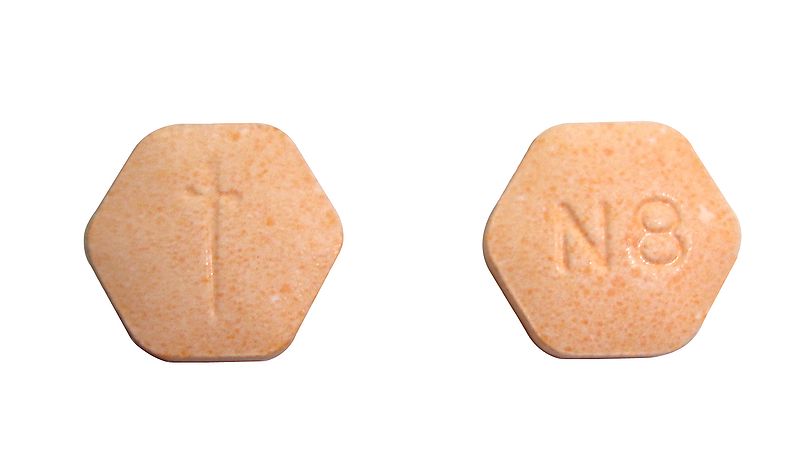
Getting High on Suboxone? The FDA Says It's Happening - Ex NIDA Director Blames Doctors
Users taking Suboxone to stave off the withdrawal pains of an opiate addiction aren't supposed to be able to abuse the medication. That was the idea anyway when the FDA approved the drug in 2002 for take-home use. Today's thriving street market for the drug has the FDA change its tune.

Young Adults Find Effective Recovery Support in 12 Steps Meetings with Older Adults
Because so many young adults use drugs or alcohol young people sometimes have trouble forging sober social support networks after treatment. AA and NA can provide this sober support, but many groups are comprised of middle aged adults. A new research study suggests that this age gap does not matter and that 12 steps meetings do offer younger adults effective social support.

Study Supports Combining Smoking Cessation and Addiction Treatment Programs
Smoking cessation efforts in addiction treatment programs help people quit without compromising overall treatment outcomes.

Intervention Text Messages Get Heavy Drinking Young Adults to Reduce Their Consumption
Researchers in Pennsylvania say that text messages may be an effective delivery system for alcohol abuse interventions to heavy drinking young adults. Heavy drinking young adults drink substantially less when they get periodic text messages containing strategies to reduce consumption.

For Alcohol Abusers, Roughly 50% of Addiction Therapists Say Moderation, Rather Than Abstinence, Is an Acceptable Goal
Roughly half of American addiction counselors now believe that moderating consumption, rather than abstinence, is an acceptable treatment goal for people with alcohol or drug abuse problems.