
Cuts to Substance Abuse Treatment in Prison Leads to Longer Jail Sentences
Officials say that in many states, budget cuts which eliminate substance abuse treatment programs in jails actually end up costing taxpayers more money, as inmates can’t comply with treatment recommendations that would earn them early parole and release.

Corrections officials say that substance abuse treatment programs often get eliminated or downsized in times of budget cutting. Unfortunately, what is done to save money can actually increase expenditures, as inmates are unable to get the kinds of addiction treatment that lead to early parole and release.
- Texas is proposing to cut $23 million from the state corrections treatment budget
- Kansas has cut prison treatment services by 60%
- At Mount Pleasant Correctional Facility in Iowa, the elimination of 75% of the counseling staff has meant that 40 sex offenders will receive no treatment this year
- California has cut its substance abuse contract counselors by 80%
Research shows that inmates with substance abuse problems are far more likely to reoffend. Unfortunately, according to Columbia University, only 11% of inmates needing treatment will get it.
With 60% less treatment programs available, Kansas Secretary of Corrections, Roger Werholtz, is feeling apprehensive, saying, “Our concern is that this will make it more difficult for inmates to put together valid release plans and will increase the probability that they will be unable to comply with conditions of their release or reoffend at a higher rate. We're just real nervous."
Should Texas go through with their proposed treatment cuts, 1300 fewer inmates would receive addiction treatment and 2000 more would lose access to substance abuse counseling.
Texas Sen. John Whitmire serves as the chair of the Texas Senate criminal Justice Committee. He opposes the proposed cuts, saying, "People say, 'How can you afford to (fund) this?’ My comeback is, 'How can you afford not to?”
More like this
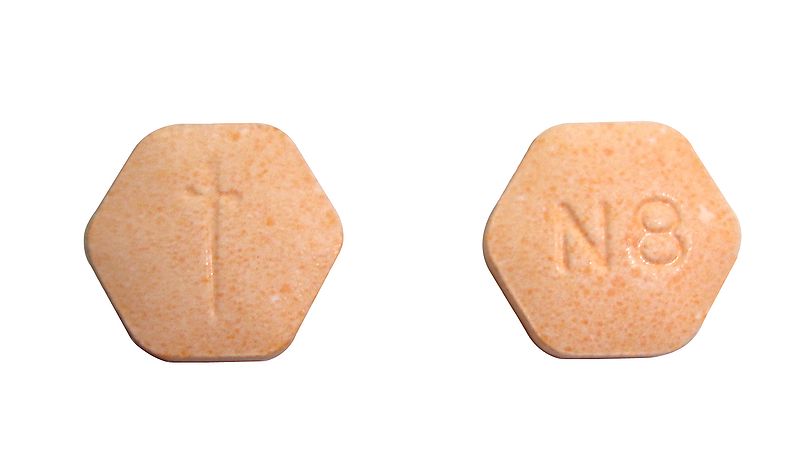
Getting High on Suboxone? The FDA Says It's Happening - Ex NIDA Director Blames Doctors
Users taking Suboxone to stave off the withdrawal pains of an opiate addiction aren't supposed to be able to abuse the medication. That was the idea anyway when the FDA approved the drug in 2002 for take-home use. Today's thriving street market for the drug has the FDA change its tune.

Young Adults Find Effective Recovery Support in 12 Steps Meetings with Older Adults
Because so many young adults use drugs or alcohol young people sometimes have trouble forging sober social support networks after treatment. AA and NA can provide this sober support, but many groups are comprised of middle aged adults. A new research study suggests that this age gap does not matter and that 12 steps meetings do offer younger adults effective social support.

Study Supports Combining Smoking Cessation and Addiction Treatment Programs
Smoking cessation efforts in addiction treatment programs help people quit without compromising overall treatment outcomes.

Intervention Text Messages Get Heavy Drinking Young Adults to Reduce Their Consumption
Researchers in Pennsylvania say that text messages may be an effective delivery system for alcohol abuse interventions to heavy drinking young adults. Heavy drinking young adults drink substantially less when they get periodic text messages containing strategies to reduce consumption.

For Alcohol Abusers, Roughly 50% of Addiction Therapists Say Moderation, Rather Than Abstinence, Is an Acceptable Goal
Roughly half of American addiction counselors now believe that moderating consumption, rather than abstinence, is an acceptable treatment goal for people with alcohol or drug abuse problems.