Keyword
Dual Diagnosis recovery
9 articles · newest and most helpful first

Getting the Most out of Dual Diagnosis Treatment through Active Involvement
Being passive in treatment yields poor results. You'll do better by learning how the process works and taking control of your treatment.
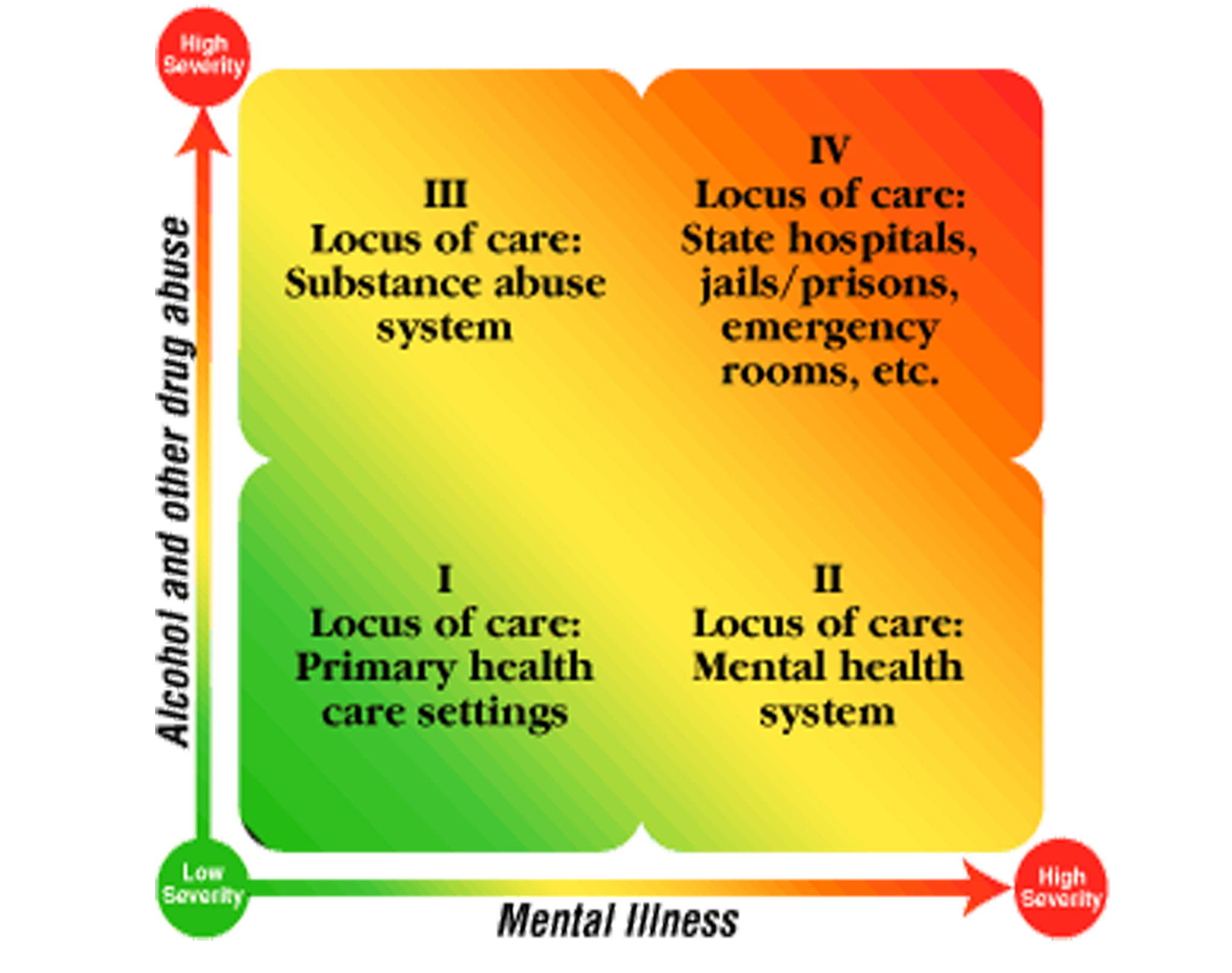
The 4 Quadrant Model – a Co-Occurring Treatment Framework
The 4 quadrant model provides a framework to help you understand what types of co-occurring disorder treatment you need most.
Bi-Polar Disorder and Addiction…Dangerous and Prevalent
Bi-polar sufferers who also abuse drugs or alcohol are 20 times more likely to commit suicide than the general population. This fact alone compels immediate treatment for anyone with a dual diagnosis of bi-polar and addiction. Don't wait to get help.

Antidepressants and Alcohol – A Guide to SSRIs in Addiction Treatment
Should you take an antidepressant during early recovery - or while still drinking/using? Does your substance abuse cause your depression or is it the other way around? Read on for an overview of your options and for more information on when SSRIs will help, and when they won’t.

Dual Diagnosis: The Problem with Diagnosing Mental Illness in Early Recovery
Early recovery from addiction involves countless changes in perception, behavior, and self regulation. Diagnosing people who are less than six months sober is extremely problematic and should be avoided whenever possible. Diagnoses are labels that too often become prophecies.

Elements of Effective Treatment for People with Co-Occurring Disorders
People with co-occurring disorders need treatment which integrates substance abuse and mental health therapies at the same time. Read on to learn more about 8 elements of effective co-occurring disorder treatment programs.

Dual Diagnosis…Don’t Diagnosis on Your Own!
With an increasing pop-culture awareness of mental health conditions there is a tendency for individuals or families to attempt a self diagnosis, and even to take treatment steps based in this self diagnosis. Don't do it!

Dual Diagnosis: A Better Lifestyle For Better Health
All of us benefit from healthier lifestyle habits, but those feel-good benefits are exaggerated beautifully for those suffering a mental disorder. Get enough rest, eat well and get some exercise; it makes a big difference.

Treating Substance Abuse among the Intellectually Disabled
Five ideas for improving addiction treatment for those with intellectual disability.